

ADVERTISEMENT

Kremlin, Musk deny Russian army using Starlink

Published Feb 12, 2024 01:07 pm

KYIV, Ukraine - The Kremlin on Monday rejected Ukraine's claims that Russian troops fighting on the frontline were using Starlink terminals.

Kyiv's GUR military intelligence agency said it had evidence that Starlink internet terminals were being used on a "systematic" basis by Russian troops, accusing Moscow of "smuggling" them into the country.

Starlink, owned by Elon Musk's SpaceX, is a network of satellites in low Earth orbit that can provide internet to remote locations, or areas that have had normal communications infrastructure disabled.

"It cannot be officially supplied here and is not officially supplied here," Kremlin spokesman Dmitry Peskov told reporters on Monday.

"Accordingly, it cannot be officially used here in any way," he added.
34HZ6QT-Preview_W.jpg
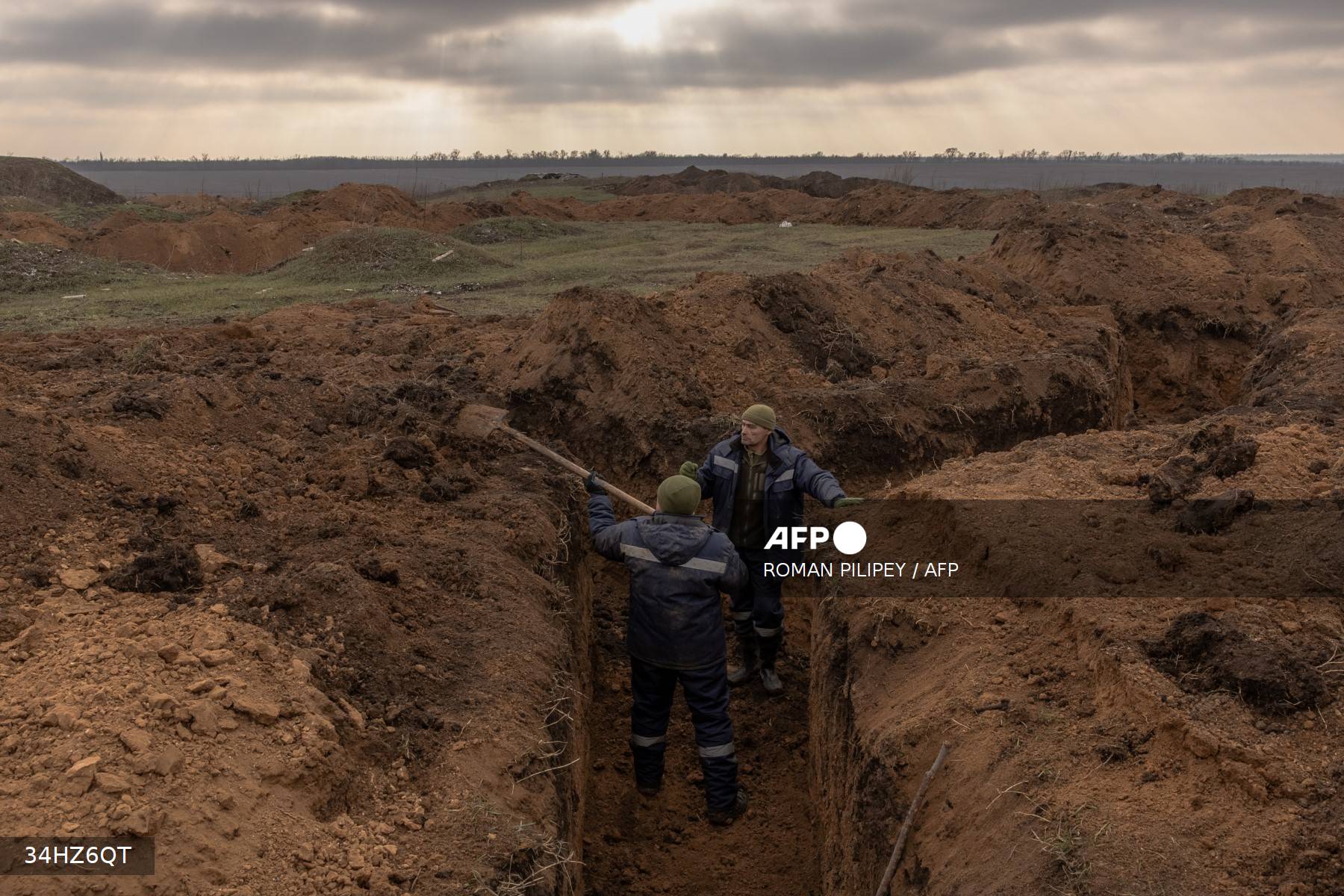
Ukrainian servicemen prepare a trench system in the Zaporizhzhia region, on January 30, 2024, amid the Russian invasion of Ukraine. After Kyiv's counter-offensive failed to punch through Russian lines last year, Kyiv has switched to the defensive -- building up its own lines of protection to thwart a possible Russian offensive. No side has made a significant territorial gain in more than a year, but fighting has remained intense. For Ukraine, building trenches marks a radical change in approach. The stronger each side's defensive positions become, the greater the risk is that the front lines stay static and the conflict turns frozen. That would complicate Kyiv's objective of liberating the approximately 20 percent of its territory under Russian control. (Photo by Roman PILIPEY / AFP)

The system is not active in Russia, meaning even a device inside Russia could not connect.

But Kyiv has accused Russian troops of using the device across the frontlines in Ukraine.

"Starlink is freely available in Russia. Compared to last year, now the use of Starlink in the Russian army on the front line has become more systematic," Andriy Yusov, GUR spokesman said Monday on state television.

He said it would not "reveal all the details" of its claims.

Ukraine itself has widely used Starlink to ensure communications and connectivity for its troops during the two-year war.

Musk called reports SpaceX had sold Starlink terminals to Russia "categorically false," in a post on his X social media platform.

"To the best of our knowledge, no Starlinks have been sold directly or indirectly to Russia," he added.

Ukraine's Yusov said Kyiv accepted that Starlink was not "officially being sold to the Russians."

He said Russia bought them through "parallel imports, which is essentially smuggling," he said.

Since Moscow invaded Ukraine and was hit with Western sanctions, it has set up a network of traders and intermediaries in third countries to get hold of banned goods and other products no longer available inside Russia.

It is not the first time Kyiv and Musk have clashed over Starlink.

Last year the Tesla and Space X tycoon rejected a request to activate the network in the Crimean city of Sevastopol to support a Ukrainian attack on Russia's naval fleet.

He said SpaceX would have been "explicitly complicit in a major act of war and conflict escalation," had he agreed.

Also last year he said his company could not indefinitely fund the service in Ukraine, before agreeing to maintain the connections.

Related Tags

WORLDNEWS
ADVERTISEMENT
.most-popular .layout-ratio{ padding-bottom: 79.13%; } @media (min-width: 768px) and (max-width: 1024px) { .widget-title { font-size: 15px !important; } }

{{ articles_filter_1561_widget.title }}

.most-popular .layout-ratio{ padding-bottom: 79.13%; } @media (min-width: 768px) and (max-width: 1024px) { .widget-title { font-size: 15px !important; } }

{{ articles_filter_1562_widget.title }}

.most-popular .layout-ratio{ padding-bottom: 79.13%; } @media (min-width: 768px) and (max-width: 1024px) { .widget-title { font-size: 15px !important; } }

{{ articles_filter_1563_widget.title }}

{{ articles_filter_1564_widget.title }}

.mb-article-details { position: relative; } .mb-article-details .article-body-preview, .mb-article-details .article-body-summary{ font-size: 17px; line-height: 30px; font-family: "Libre Caslon Text", serif; color: #000; } .mb-article-details .article-body-preview iframe , .mb-article-details .article-body-summary iframe{ width: 100%; margin: auto; } .read-more-background { background: linear-gradient(180deg, color(display-p3 1.000 1.000 1.000 / 0) 13.75%, color(display-p3 1.000 1.000 1.000 / 0.8) 30.79%, color(display-p3 1.000 1.000 1.000) 72.5%); position: absolute; height: 200px; width: 100%; bottom: 0; display: flex; justify-content: center; align-items: center; padding: 0; } .read-more-background a{ color: #000; } .read-more-btn { padding: 17px 45px; font-family: Inter; font-weight: 700; font-size: 18px; line-height: 16px; text-align: center; vertical-align: middle; border: 1px solid black; background-color: white; } .hidden { display: none; }
function initializeAllSwipers() { // Get all hidden inputs with cms_article_id document.querySelectorAll('[id^="cms_article_id_"]').forEach(function (input) { const cmsArticleId = input.value; const articleSelector = '#article-' + cmsArticleId + ' .body_images'; const swiperElement = document.querySelector(articleSelector); if (swiperElement && !swiperElement.classList.contains('swiper-initialized')) { new Swiper(articleSelector, { loop: true, pagination: false, navigation: { nextEl: '#article-' + cmsArticleId + ' .swiper-button-next', prevEl: '#article-' + cmsArticleId + ' .swiper-button-prev', }, }); } }); } setTimeout(initializeAllSwipers, 3000); const intersectionObserver = new IntersectionObserver( (entries) => { entries.forEach((entry) => { if (entry.isIntersecting) { const newUrl = entry.target.getAttribute("data-url"); if (newUrl) { history.pushState(null, null, newUrl); let article = entry.target; // Extract metadata const author = article.querySelector('.author-section').textContent.replace('By', '').trim(); const section = article.querySelector('.section-info ').textContent.replace(' ', ' '); const title = article.querySelector('.article-title h1').textContent; // Parse URL for Chartbeat path format const parsedUrl = new URL(newUrl, window.location.origin); const cleanUrl = parsedUrl.host + parsedUrl.pathname; // Update Chartbeat configuration if (typeof window._sf_async_config !== 'undefined') { window._sf_async_config.path = cleanUrl; window._sf_async_config.sections = section; window._sf_async_config.authors = author; } // Track virtual page view with Chartbeat if (typeof pSUPERFLY !== 'undefined' && typeof pSUPERFLY.virtualPage === 'function') { try { pSUPERFLY.virtualPage({ path: cleanUrl, title: title, sections: section, authors: author }); } catch (error) { console.error('ping error', error); } } // Optional: Update document title if (title && title !== document.title) { document.title = title; } } } }); }, { threshold: 0.1 } ); function showArticleBody(button) { const article = button.closest("article"); const summary = article.querySelector(".article-body-summary"); const body = article.querySelector(".article-body-preview"); const readMoreSection = article.querySelector(".read-more-background"); // Hide summary and read-more section summary.style.display = "none"; readMoreSection.style.display = "none"; // Show the full article body body.classList.remove("hidden"); } document.addEventListener("DOMContentLoaded", () => { let loadCount = 0; // Track how many times articles are loaded const offset = [1, 2, 3, 4, 5, 6, 7, 8, 9, 10]; // Offset values const currentUrl = window.location.pathname.substring(1); let isLoading = false; // Prevent multiple calls if (!currentUrl) { console.log("Current URL is invalid."); return; } const sentinel = document.getElementById("load-more-sentinel"); if (!sentinel) { console.log("Sentinel element not found."); return; } function isSentinelVisible() { const rect = sentinel.getBoundingClientRect(); return ( rect.top < window.innerHeight && rect.bottom >= 0 ); } function onScroll() { if (isLoading) return; if (isSentinelVisible()) { if (loadCount >= offset.length) { console.log("Maximum load attempts reached."); window.removeEventListener("scroll", onScroll); return; } isLoading = true; const currentOffset = offset[loadCount]; window.loadMoreItems().then(() => { let article = document.querySelector('#widget_1690 > div:nth-last-of-type(2) article'); intersectionObserver.observe(article) loadCount++; }).catch(error => { console.error("Error loading more items:", error); }).finally(() => { isLoading = false; }); } } window.addEventListener("scroll", onScroll); });

Sign up by email to receive news.