







Loans and collection: Key risks for digital banks today


Taking deposits from the public is no problem for the six online-only digital banks in the country. The challenge lies on how to effectively provide loans to unsecured borrowers and its collection procedures.
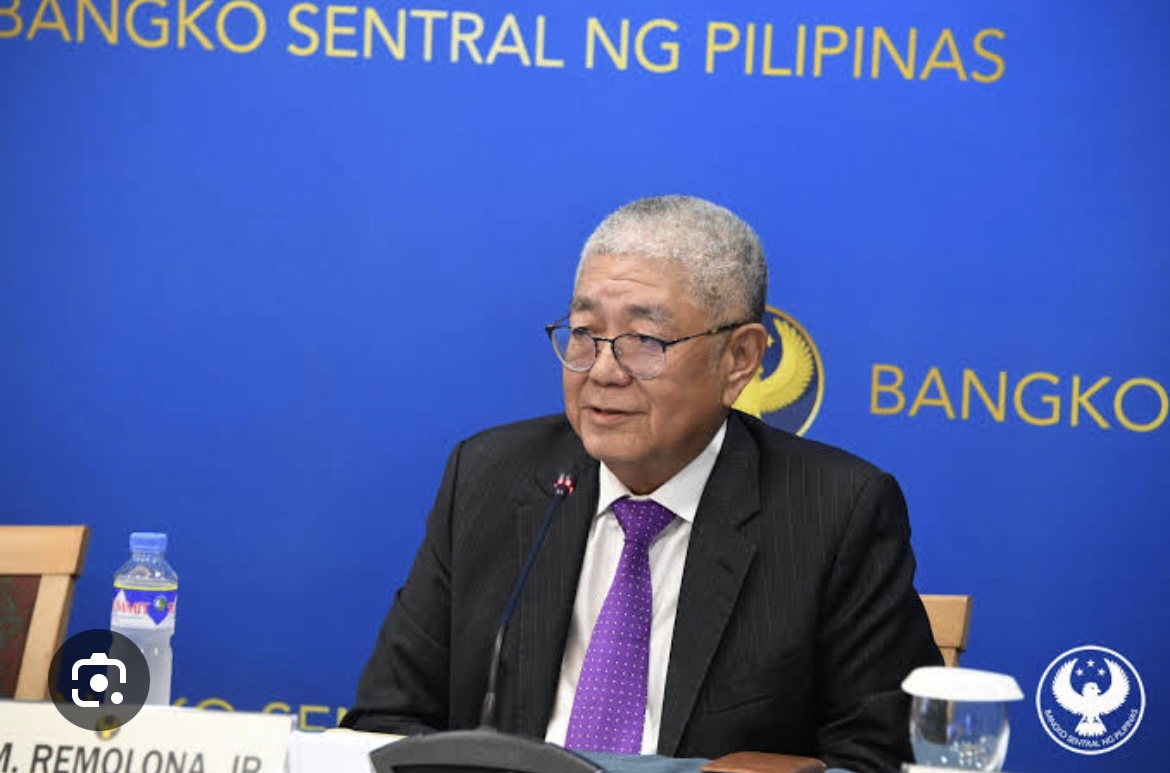
It’s all in the early stage and even on the experimental stage, according to Bangko Sentral ng Pilipinas (BSP) Governor Eli M. Remolona Jr. This is why these digital banks are still in the BSP sandbox when it comes to innovation and technology.
“It’s an experiment. A digital bank has to do everything digitally. So, deposits should be online, and they can do deposits easily. The difficult part is dispensing the loans,” he said in a mixture of English and Filipino.
When asked why digital banks have higher non-performing loans (NPL) compared to other banking categories, the BSP chief said this all boils down to digital banks’ challenge of disbursing the loans.
“At least nakaka pahiram. Mahirap magpahiram ng digital kasi – sabi nila – kung sisingil ka, hindi pwedeng digital. Kailangan may tao daw na sisingil. Yun ang experience ng mga digital banks. Pero meron magaling, meron hindi magaling dyan (At least, they can lend to borrowers. They say it’s a challenge to lend because it’s also difficult to collect payments via digital means. A person has to do the job of collecting loan payments. That’s the experience of digital banks here. But then there are digital banks that are effective (when it comes to loans and collection) and some are not,” said Remolona.
Based on the latest BSP data, as of December 2023, digital banks’ gross NPL ratio stood at 14.49 percent compared to 3.23 percent industry gross NPL. The peak was 20.25 percent recorded in November 2023.
Last year, the six digital banks’ total loan portfolio amounted to P24.706 billion. There is no comparison yet for 2022 data. The data on digital banks’ asset quality ratios only started last May 2023.
The total NPLs which are unpaid loans for more than 30 days after due date, reached P3.599 billion in December from P4.088 billion in November.
Past due ratio or the rate of delinquency was also high at 21.61 percent in December 2023 but the November ratio was even higher at 30.64 percent. Comparably, industry past due ratio was 3.95 percent.
Weak asset quality, high costs
In a Jan. 30 report, “Philippine Banks Outlook 2024: Better Economic Prospects Will Bolster Sector” the credit rating agency S&P Global Ratings said the asset quality of digital banks in the Philippines is weaker than the rest of the banking sector.
“This reflects their heavy exposure to unsecured consumer loans and the largely untested credit profile of their target customers. We expect these banks to continue making losses because of very weak asset quality and high costs,” said S&P credit analyst Nikita Anand.
But the report also noted that so far, they have not seen any “irrational deposit pricing in response to the high rates offered by new digital banks.”
“These banks' operations are nascent and reflect initial struggles, with a market share of just 0.4% of sector deposits,” said S&P Global.
S&P Global also said in its report that since their operations are still new, digital banks still have a low market share, on top of weak asset quality and high costs which are “constraining profitability”.

In addition, digital banks’ loan portfolio is riskier. The “high share of unsecured consumer loans and untested credit profile of target segment is leading to significantly weaker asset quality,” said the credit watchdog.
Based on data from the BSP as of end-September 2023, about 64.8 percent of digital banking loans are personal loans, the rest are reverse repurchase agreements at 18.5 percent; other consumer loans at 16 percent; and corporate loans at 0.8 percent.
“Digital banks have heavy exposure to unsecured loans,” said S&P Global.
Limiting digital banks
There are six digital banks in the Philippines: government-owned Overseas Filipino Bank Inc. of Land Bank of the Philippines; Tonik Digital Bank of Tonik Financial Pte Ltd. of Singapore; MAYA Bank of the PLDT Group; UNObank Inc. of Singapore; UnionDigital Bank of Aboitiz-led Union Bank of the Philippines; and GoTyme Bank Corp. of the Gokonwei Group.
The BSP has closed the window for digital bank applications for three years, or from September 2021 until the fourth quarter of 2024. As such, only six digital banks were granted digital bank license by the BSP as of Aug. 31, 2021. These banks became fully operational between in late 2022 to 2023.
Right now, the BSP is carefully monitoring the six digital banks that were allowed to operate before the moratorium.
Remolona said one of the things they are assessing is their business models. The ongoing review will also help regulators to find out just how many more digital banks the industry can accommodate.
The establishment of a digital bank require P1 billion minimum capitalization, lower than the required P3 billion to P20 billion depending on the number of branches for big banks.
A digital bank is the BSP’s seventh bank category. Digital banks have minimal or zero-reliance on physical touchpoints but it will have to set up one office in the Philippines to receive and address customer complaints or issues.
The BSP has limited the number of digital banks to allow them the space to closely monitor the performance and impact of digital banks to the banking system and their contribution to the financial inclusion agenda.
However, more than two years since the application window was closed, the BSP is studying its reopening earlier than scheduled.
In 2022, the BSP’s policy making-arm, the Monetary Board, approved Circular No. 1154 or the “Prudential Requirements Applicable to Digital Banks” which amended Circular No. 1105 or the “Basic Guidelines in Establishing Banks” issued last December 2020.
The circular basically allowed the central bank to consider applications to set up thrift, rural and cooperative banks that have digital bank business models as digital bank license applications.
These thrift banks, rural banks and cooperative banks that primarily offer financial products and services that are processed end-to-end through a digital platform or electronic channels under an Advanced Electronic Payments and Financial Services (EPFS) license, will be required to put up P1 billion as capital to be granted a digital bank license
Meantime, existing thrift banks, rural banks and cooperative banks with similar digital platform or electronic channels under EPFS license, will be given five years to meet the new minimum capital requirement or P1 billion for a digital bank license
BSP Deputy Governor Chuchi G. Fonacier had earlier clarified that the amended circular will not mean that there will be digital bank licenses approved. The window for digital bank license application is still closed for new applicants.
Before the BSP released the digital banking framework in 2020, there are already two existing digital banks in the country -- Malaysia’s CIMB and Dutch-owned ING. The two foreign banks, however, did not apply for a BSP digital bank license.