







UN rapporteur suggests NTF-ELCAC abolition


United Nations (UN) Special Rapporteur Irene Khan has recommended to the Philippine government the abolition of the National Task Force to End Local Communist Armed Conflict (NTF-ELCAC) to "allow for more inclusive peacemaking platforms," with "genuine whole of nation approach to peace."
Khan said Friday, Feb. 2, that the task force's abolition "will not only address some of the most critical drivers of red tagging, but it will also allow" the Marcos administration to modernize peace building approaches based on the changing political landscape.
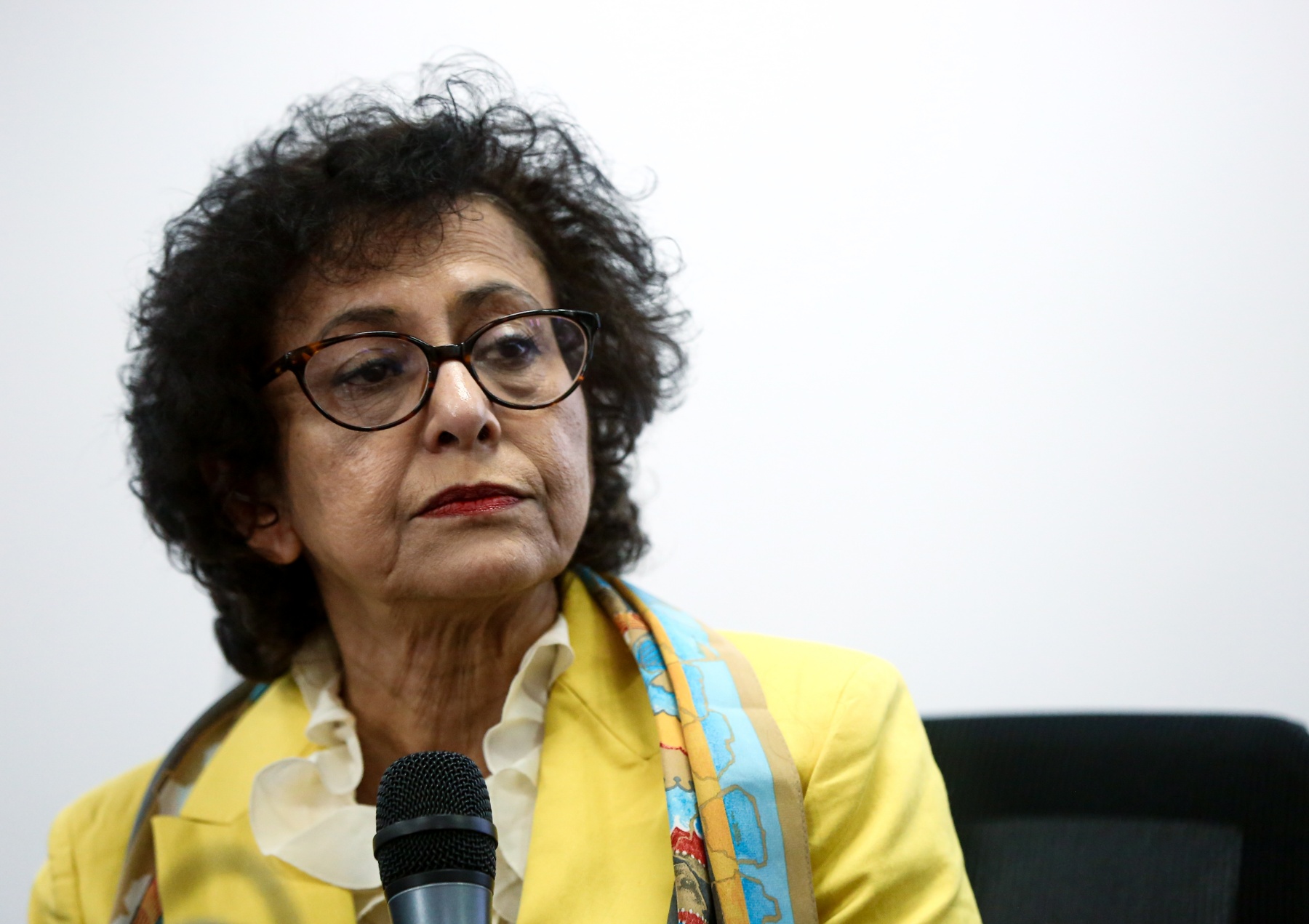
Khan, UN rapporteur on freedom of opinion and recommendation, made her suggestion as she concluded her 10-day investigation in the country, which included meetings with government officials, civil society members, journalists and activists.
"I call upon the executive and the House of Representatives at the national level to adopt, expedite a law on the protection of human rights defenders. I have been encouraged by other initiatives like the open-government initiative that brings in civil society into the development process," she told a press conference.
Her recommendation stemmed from her assessment that the government's commitment to protect its people from terrorism would sometimes lead to "vilification" of individuals, such activists, who have legitimate concerns as well as the "distrust" between the state and the civil society.
Khan also made two more suggestions following her visit: one is that the government must come up with an executive order denouncing red-tagging and the other is that the Commission on Human Rights must expedite its process of legally defining red-tagging.
"The government doesn't have a policy of corruption, but the government has a policy on anti-corruption, on fighting corruption. And I have called on the government to adopt a policy fighting red-tagging," she said.
Khan said the government must send a message that it does not approve of red tagging, if that is really its position.
"Because a message from the top have the same impact on mindset, whether it is a good message or a bad message," she said.
"The good message has to come strongly from the very top about commitment to human rights and about not tolerating negligence or deliberate violation by state officials," she added.