

ADVERTISEMENT

Drive a jeepney and battle modernization in this Pinoy-made game

Jeepney Simulator video game now in Steam early access

Published Feb 1, 2024 03:23 am
020124JeepneySimulator1.png
Drive a jeepney around a Philippine city, picking up passengers and calculating change.

Immerse yourself in the experience of being a jeepney driver trying to build a better life for yourself and your family by managing limited resources, balancing hard-earned income with fuel costs, vehicle maintenance costs, and family needs.

Jeepney Simulator is a brand new Filipino-made video game which allows players to experience life as a jeepney driver in the Philippines. Developed by Spacezero Interactive, a team led by Joshua Bicoy and Alvin Arapoc, the game is a unique blend of casual driving sim mixed in with some resource management. There is a larger story that surrounds the vibrant streets of Dabbo City, the game’s main locale, where you ply your route in search of a better life. I recently spent some time playing the game and gained some interesting insights.

Simulating their plight
020124JeepneySimulator11.png
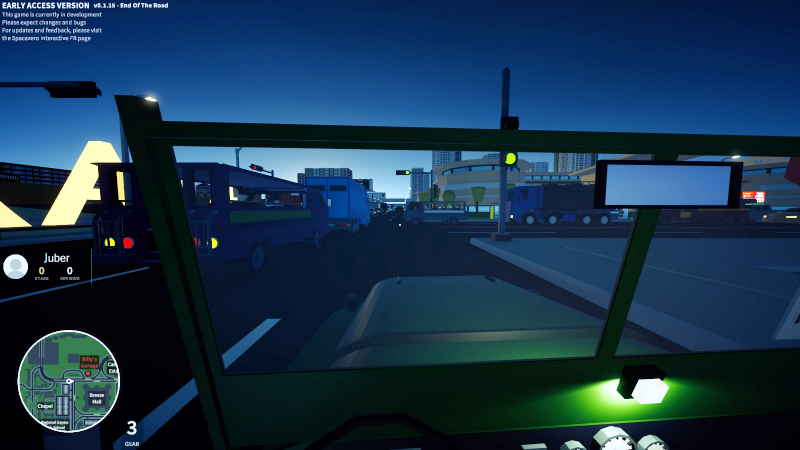
Navigate traffic while picking up fares.

In this game, players take on the challenges of driving a jeepney; from picking up passengers, calculating fares and dealing with busy city traffic, to family management where players must balance earnings to support their household and their vehicle’s maintenance. Saving up one’s hard-earned income also allows for furniture and vehicle upgrades which increase in-game stats.
020124JeepneySimulator5.png
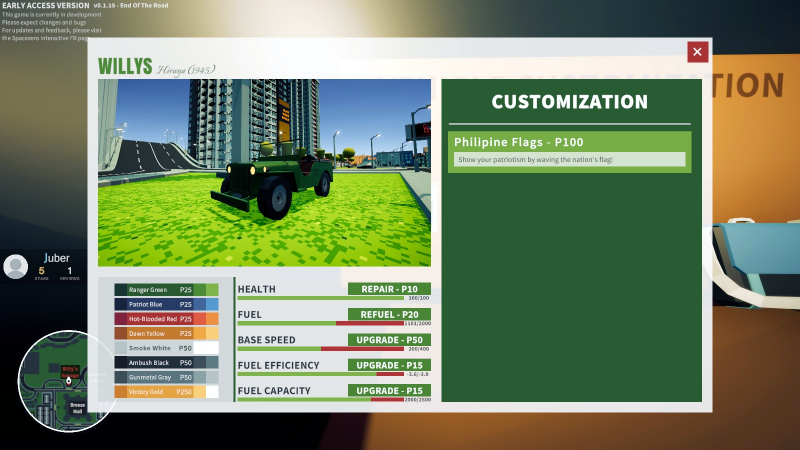
Start out your career with a hand-me-down ex-military Willy's GP.

From starting out with a hand-me-down Willy's jeep to living out of a two-storey shanty (complete with G.I. sheet walls), several aspects of this game resemble real jeepney drivers' struggles against financial constraints, rising fuel costs, and vehicle upkeep.
020124JeepneySimulator7.png
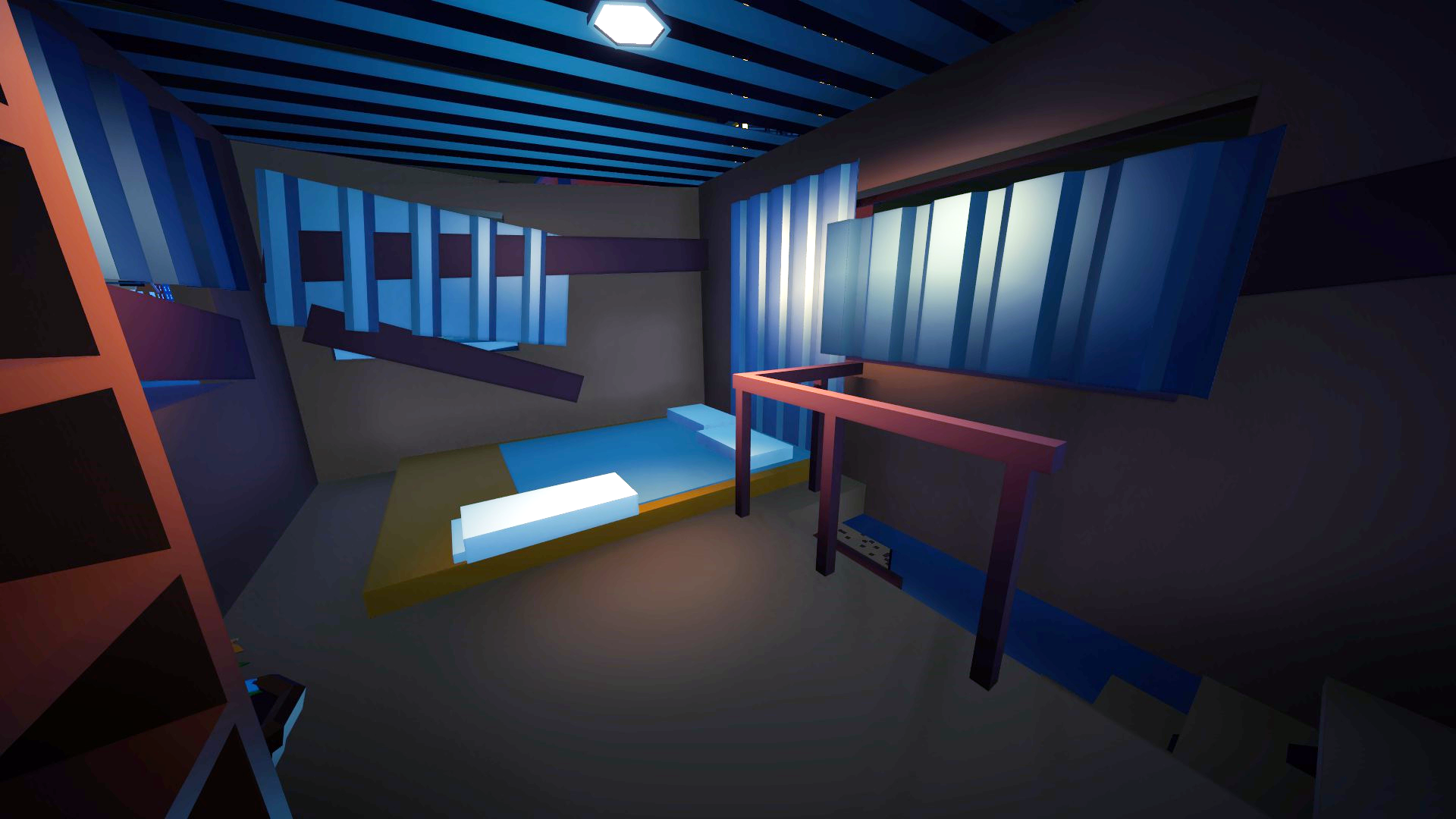
You start out the game living in a small shanty house.

I started off with the Willy’s jeep which could only take 4 passengers at a time, and with a starting pot of roughly 170 pesos in various bills and coins, I went about my days trying to earn as much as I could, and in three, very short in-game days I was only able to net P200 after paying for fuel, bills, and jeep repairs. I spent 75 pesos to buy a better bed, which granted my character the ability to wake up one hour earlier, thus lengthening my work shift by an hour and increasing my chances of getting more fares.
020124JeepneySimulator3.png
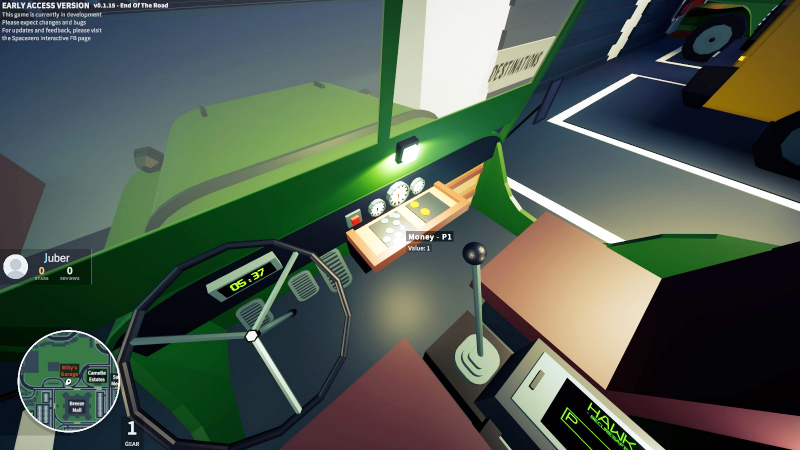
The interior of the jeepney features a money tray, just like the real vehicle. 

The challenging keyboard and mouse-only control system somewhat adds to the realism, as the tedious task of collecting fares and giving change while driving reflects the highly developed multitasking skills jeepney drivers possess. In real life, these drivers navigate through heavy traffic, often having to contend with staying on the road and unpredictable traffic, all while managing passenger interactions and more. Although far from real-world physics, the in-game dynamic of learning how to drive slowly while looking back and taking fares (or giving out change) made for a tiring experience.

020124JeepneySimulator2.png
You can counterflow in traffic and may encounter other counterflowing jeepneys.

Although there are no road rules in-game (you could counterflow and beat red lights to your heart’s content), traffic and stoplights are well simulated. These slow-crawls proved to be the best time to give out change or take fares, as well as check the map to figure out the best route for dropping off passengers before the very short work day ends and you are forced into the next game day.

In an interview with Spacezero Interactive, Arapoc says that the team “tried to recreate iconic landmarks such as malls, skyscrapers, and schools, but we eventually found out that buildings are copyrighted. So instead, we made our own designs while keeping the landmarks and roads as accurate as possible to the ones you can find in Davao City.” 

Parallels to real struggles
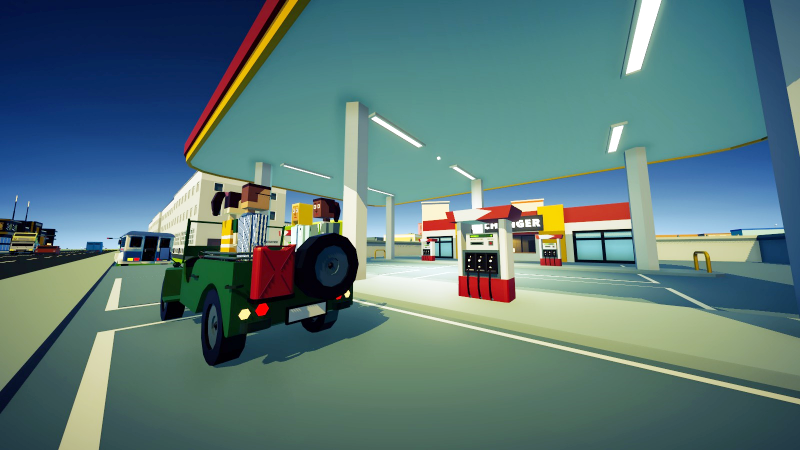
020124JeepneySimulator12.png
The jeepney also needs to be refueled.

The game's narrative also explores cultural and societal themes, with players facing the antagonistic Hiraya Corporation, which threatens the traditional jeepney culture with AI-controlled autonomous driving transport vehicles. Although I never got far enough with my game to deal with Hiraya, this aspect does reflect real-life tensions between the traditional and modernized public transportation.
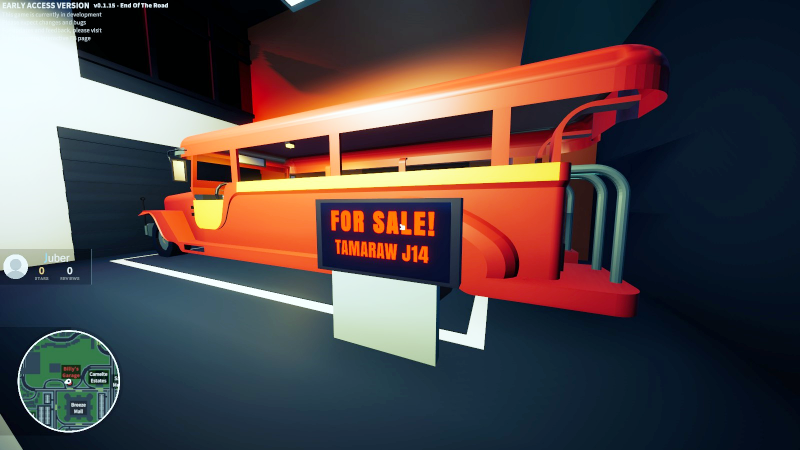
020124JeepneySimulator9.png
Better jeepneys can be bought but are very expensive.

While navigating this virtual city, I could not help but think of the government's Public Utility Vehicle Modernization Program (PUVMP), which seeks to replace older vehicles with newer, more eco-friendly models. Unfortunately, this transition has caused severe strain for jeepney drivers and their way of life; all of it firmly being pushed into obsolescence.

020124JeepneySimulator10.png
It will take several weeks in-game to save up for a new vehicle.

But while this narrative serves as an engaging game element, it contrasts sharply with the more nuanced realities of public transport modernization in the Philippines. Through the gameplay, one is given a unique opportunity to reflect and consider the real-life benefits associated with modernizing public transport systems which, stripped of political complexities, present distinct advantages.
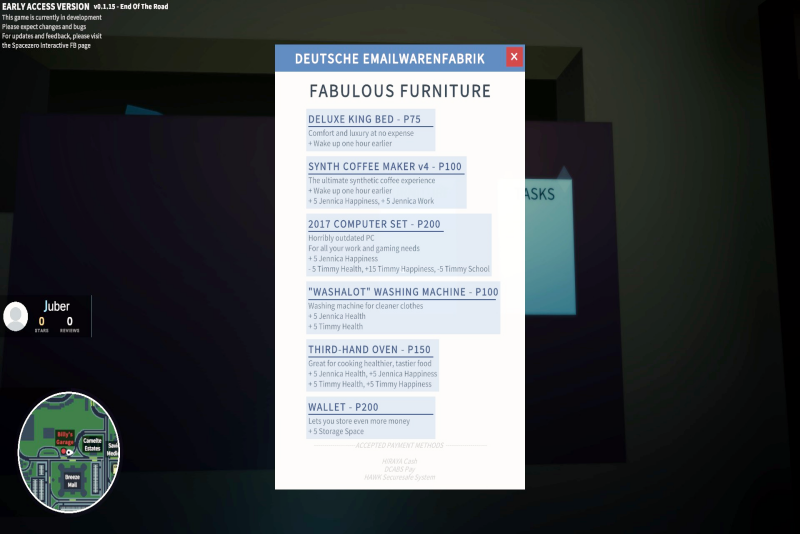
020124JeepneySimulator4.png
Upgrade your home with your earnings.

The move to Euro 4 engines and electric motors, for example, promises to significantly reduce air pollution in urban environments, making a positive environmental statement for densely populated cities where air quality has long been an issue. The design of modern jeepneys and electric vehicles also offers passengers advanced safety features and superior comfort, a big step in moving public transportation standards forward. And while the economic impact of modernization poses a challenge for small-scale operators, it can also open doors for the local manufacturing industry. The production of modern jeepneys can boost local production, create jobs, and influence the growth of the industry. 

Take on the challenge yourself
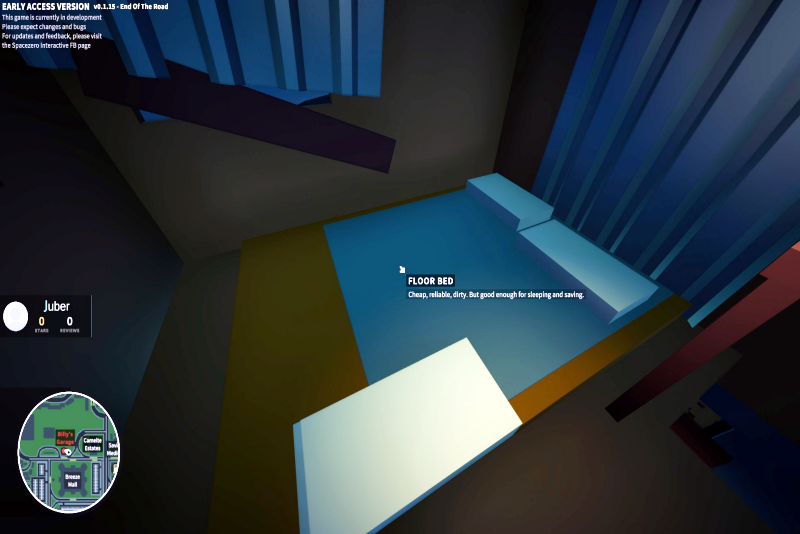
020124JeepneySimulator8.png
Soon, you can upgrade to a more comfortable bed.

Jeepney Simulator is a simple yet engaging game that allows players to better understand the challenges faced by jeepney drivers. While I only ever got to save enough to buy a new bed and get a bigger fuel tank for the Willy’s, I could feel the pressure of trying to make ends meet and making things better for my in-game family. The pressure of daily work, the need to reconcile that work with family commitments, and the constant struggle with economic and cultural challenges are all well represented. While the game primarily provides entertainment value, it also serves as an educational experience that helps players understand and appreciate the current public transport situation better.

If you want to check it out, the full version of the game is available under early access on the popular game platform, Steam, and is now available for P199.

Related Tags

Steam video game
ADVERTISEMENT
.most-popular .layout-ratio{ padding-bottom: 79.13%; } @media (min-width: 768px) and (max-width: 1024px) { .widget-title { font-size: 15px !important; } }

{{ articles_filter_1561_widget.title }}

.most-popular .layout-ratio{ padding-bottom: 79.13%; } @media (min-width: 768px) and (max-width: 1024px) { .widget-title { font-size: 15px !important; } }

{{ articles_filter_1562_widget.title }}

.most-popular .layout-ratio{ padding-bottom: 79.13%; } @media (min-width: 768px) and (max-width: 1024px) { .widget-title { font-size: 15px !important; } }

{{ articles_filter_1563_widget.title }}

{{ articles_filter_1564_widget.title }}

.mb-article-details { position: relative; } .mb-article-details .article-body-preview, .mb-article-details .article-body-summary{ font-size: 17px; line-height: 30px; font-family: "Libre Caslon Text", serif; color: #000; } .mb-article-details .article-body-preview iframe , .mb-article-details .article-body-summary iframe{ width: 100%; margin: auto; } .read-more-background { background: linear-gradient(180deg, color(display-p3 1.000 1.000 1.000 / 0) 13.75%, color(display-p3 1.000 1.000 1.000 / 0.8) 30.79%, color(display-p3 1.000 1.000 1.000) 72.5%); position: absolute; height: 200px; width: 100%; bottom: 0; display: flex; justify-content: center; align-items: center; padding: 0; } .read-more-background a{ color: #000; } .read-more-btn { padding: 17px 45px; font-family: Inter; font-weight: 700; font-size: 18px; line-height: 16px; text-align: center; vertical-align: middle; border: 1px solid black; background-color: white; } .hidden { display: none; }
function initializeAllSwipers() { // Get all hidden inputs with cms_article_id document.querySelectorAll('[id^="cms_article_id_"]').forEach(function (input) { const cmsArticleId = input.value; const articleSelector = '#article-' + cmsArticleId + ' .body_images'; const swiperElement = document.querySelector(articleSelector); if (swiperElement && !swiperElement.classList.contains('swiper-initialized')) { new Swiper(articleSelector, { loop: true, pagination: false, navigation: { nextEl: '#article-' + cmsArticleId + ' .swiper-button-next', prevEl: '#article-' + cmsArticleId + ' .swiper-button-prev', }, }); } }); } setTimeout(initializeAllSwipers, 3000); const intersectionObserver = new IntersectionObserver( (entries) => { entries.forEach((entry) => { if (entry.isIntersecting) { const newUrl = entry.target.getAttribute("data-url"); if (newUrl) { history.pushState(null, null, newUrl); let article = entry.target; // Extract metadata const author = article.querySelector('.author-section').textContent.replace('By', '').trim(); const section = article.querySelector('.section-info ').textContent.replace(' ', ' '); const title = article.querySelector('.article-title h1').textContent; // Parse URL for Chartbeat path format const parsedUrl = new URL(newUrl, window.location.origin); const cleanUrl = parsedUrl.host + parsedUrl.pathname; // Update Chartbeat configuration if (typeof window._sf_async_config !== 'undefined') { window._sf_async_config.path = cleanUrl; window._sf_async_config.sections = section; window._sf_async_config.authors = author; } // Track virtual page view with Chartbeat if (typeof pSUPERFLY !== 'undefined' && typeof pSUPERFLY.virtualPage === 'function') { try { pSUPERFLY.virtualPage({ path: cleanUrl, title: title, sections: section, authors: author }); } catch (error) { console.error('ping error', error); } } // Optional: Update document title if (title && title !== document.title) { document.title = title; } } } }); }, { threshold: 0.1 } ); function showArticleBody(button) { const article = button.closest("article"); const summary = article.querySelector(".article-body-summary"); const body = article.querySelector(".article-body-preview"); const readMoreSection = article.querySelector(".read-more-background"); // Hide summary and read-more section summary.style.display = "none"; readMoreSection.style.display = "none"; // Show the full article body body.classList.remove("hidden"); } document.addEventListener("DOMContentLoaded", () => { let loadCount = 0; // Track how many times articles are loaded const offset = [1, 2, 3, 4, 5, 6, 7, 8, 9, 10]; // Offset values const currentUrl = window.location.pathname.substring(1); let isLoading = false; // Prevent multiple calls if (!currentUrl) { console.log("Current URL is invalid."); return; } const sentinel = document.getElementById("load-more-sentinel"); if (!sentinel) { console.log("Sentinel element not found."); return; } function isSentinelVisible() { const rect = sentinel.getBoundingClientRect(); return ( rect.top < window.innerHeight && rect.bottom >= 0 ); } function onScroll() { if (isLoading) return; if (isSentinelVisible()) { if (loadCount >= offset.length) { console.log("Maximum load attempts reached."); window.removeEventListener("scroll", onScroll); return; } isLoading = true; const currentOffset = offset[loadCount]; window.loadMoreItems().then(() => { let article = document.querySelector('#widget_1690 > div:nth-last-of-type(2) article'); intersectionObserver.observe(article) loadCount++; }).catch(error => { console.error("Error loading more items:", error); }).finally(() => { isLoading = false; }); } } window.addEventListener("scroll", onScroll); });

Sign up by email to receive news.