







How Arthaland bridges the gap, turning vision into action
Driving the country toward a sustainable future with innovative solutions and corporate responsibility


The climate crisis is real and already impacting the Philippines. In the past week or two, a super typhoon hit, highlighting the extreme weather patterns that have become common due to climate change. Rising temperatures, typhoons, droughts, and crop failures are threatening our health, safety, and economy.
Kristina Samantha Pobre, Arthaland’s head of sustainability, posed a simple but crucial question during her talk at the recent Manila Bulletin Sustainability Forum 2024: “Do we really understand how climate change affects us?” The impacts are widespread, from destructive weather damaging crops to temperature shifts making land unsuitable for farming. These changes will drive up food prices and malnutrition, especially among lower-income sectors, pushing families deeper into poverty.
Beyond survival, there's also the issue of global competitiveness, especially with disruptions like class cancellations due to severe weather. As other countries advance, how can the Philippines stand out on the global stage while grappling with the negative effects of climate change?
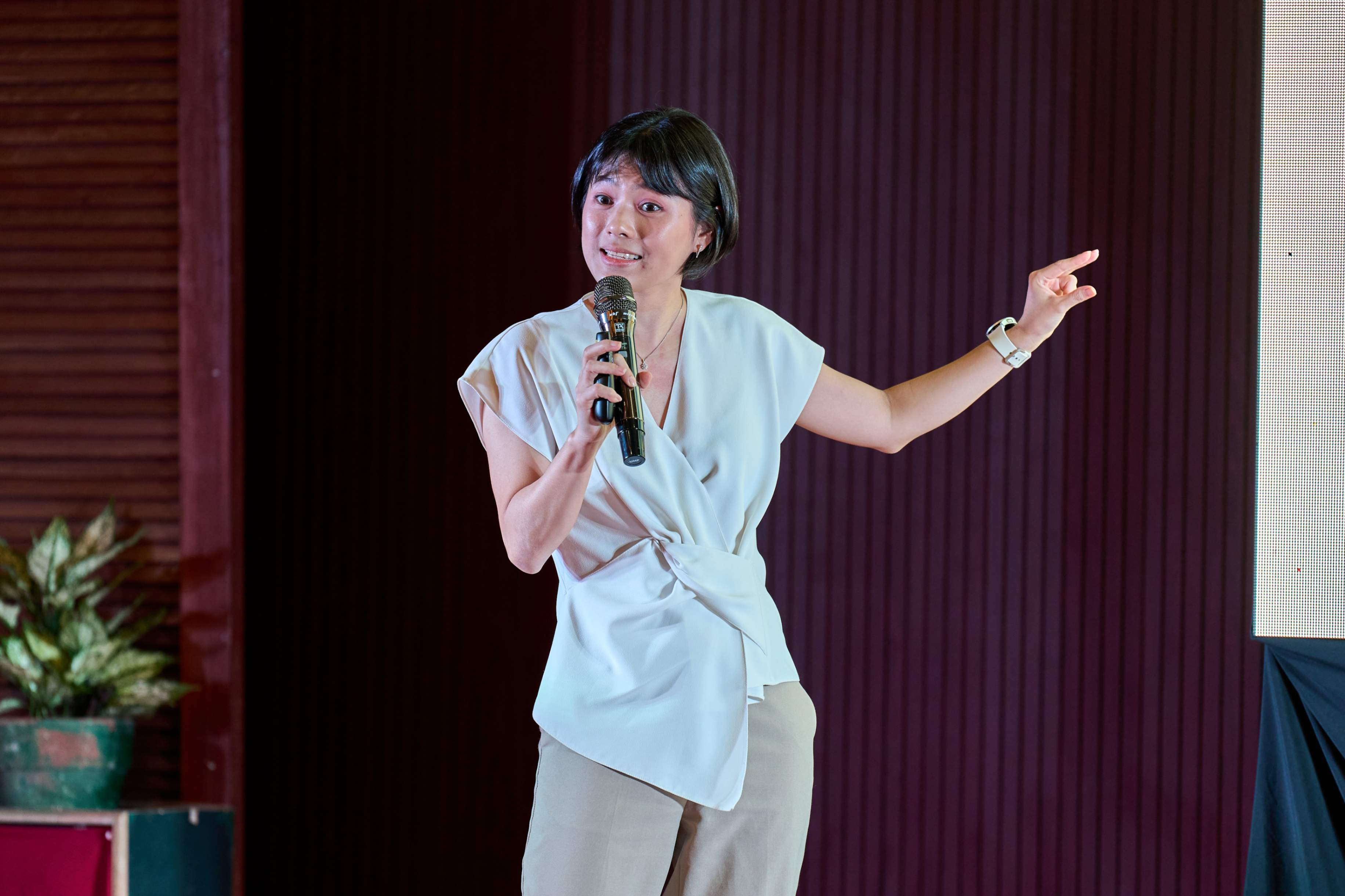
Our shared role in change
The global climate agenda, set in motion by the Paris Agreement in 2015, aims to limit global warming to 1.5°C by 2050, with a 45 percent reduction in emissions by 2030. However, the world is still on track for a 3°C rise. The Philippines stands out with a bold commitment to reduce emissions by 75 percent by 2030, setting an example for global change.
Pobre’s message was clear—there’s no time to waste, and action must be taken now. "The countries were saying, 'Okay, this is all I can do, this is all I can adjust. This could be enough.' But by design, they’re saying, 'No, taking climate action requires effort, and it will require sacrifices. We can't just do what's convenient or what's easy; we have to push further.'"
Like every country, the Philippines faces challenges in meeting its goals. Only 3 percent of the emissions reduction is unconditional and achievable without external support. The remaining 72 percent relies on factors such as financial and logistical support from both local and global stakeholders. This is where every Filipino—citizens and corporations alike—must step in to make a difference.
As Pobre discussed, the Philippines’ climate action plan focuses on five key sectors: energy, agriculture, transportation, waste management, and industry. Each sector plays a vital role in the country’s transition to net-zero emissions by 2050. But real progress will require all sectors, including real estate developers like Arthaland, to step up.
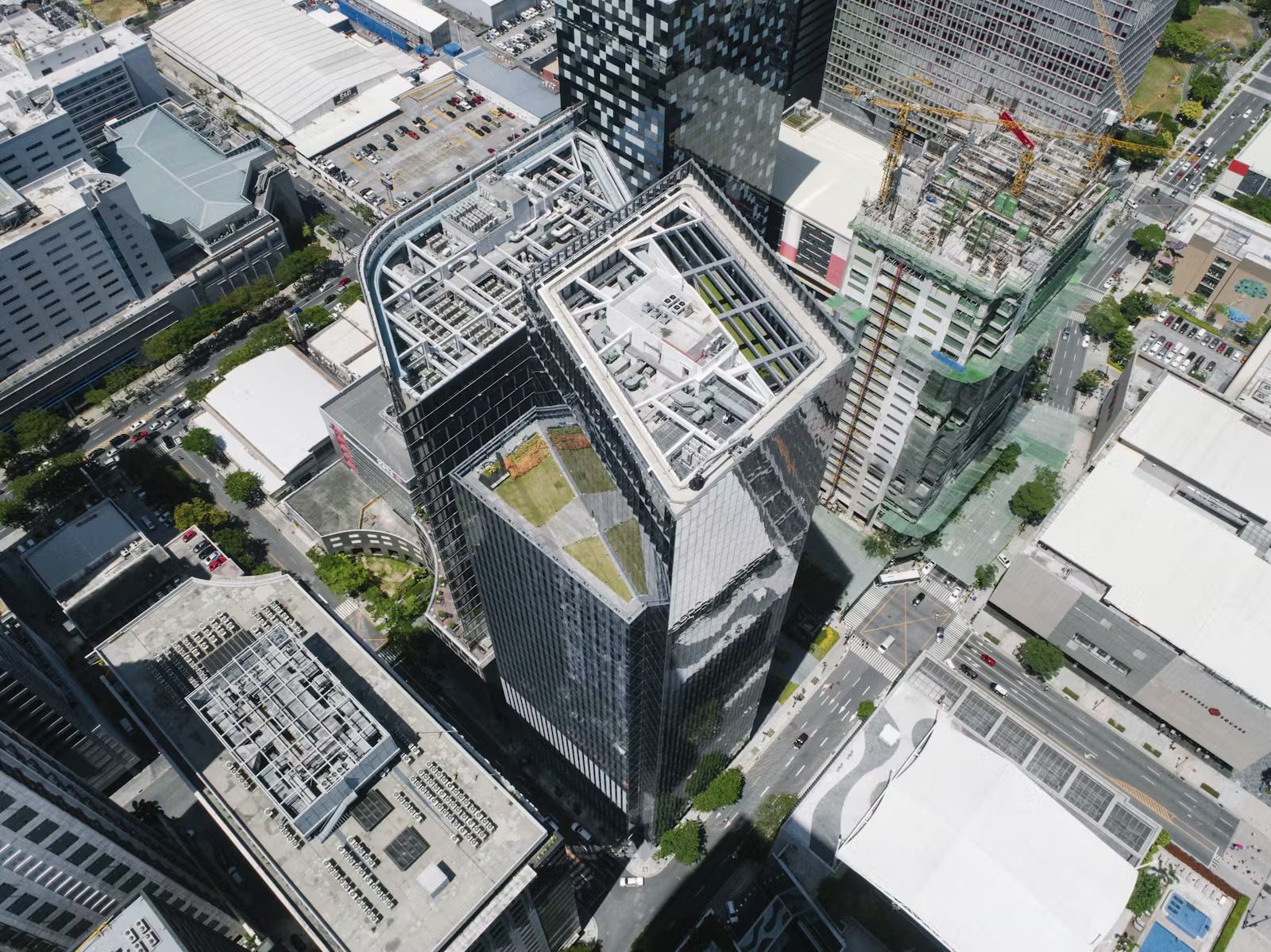
Arthaland’s influence in achieving sustainability
Arthaland, a leader in sustainable development, is committed to ensuring every project it builds is sustainable. From residential to commercial properties, the company seeks sustainability certifications for all its developments, collaborating with third-party organizations to meet strict environmental standards, including LEED, BERDE, EDGE, and WELL.
“When we were established, we made one promise: whatever we build—no matter how small, how big, or whether it is horizontal or vertical—it will be certified. It will be sustainable,” shared Pobre.
Arthaland's net-zero journey began in 2019 when Arthaland Century Pacific Tower earned the world's first EDGE Zero Carbon certification, showcasing the Philippines' leadership in global climate action. In 2020, the company pledged to decarbonize its operational portfolio by 2030, and in 2024, this commitment was strengthened. Arthaland is now dedicated to achieving net-zero emissions and meeting an SBTI-approved target aligned with the 1.5°C limit set by the Paris Agreement.
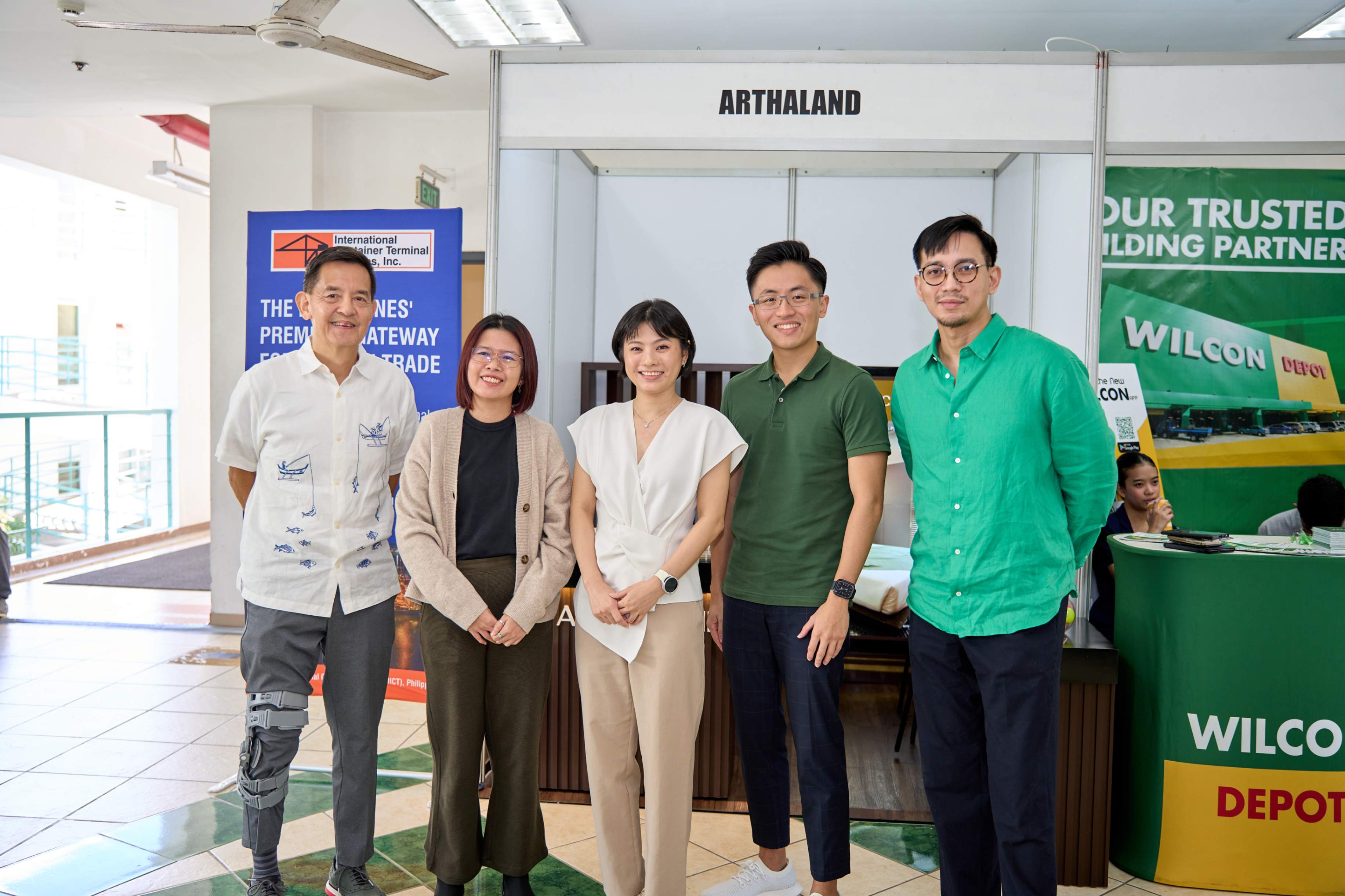
Ongoing and future plans of Arthaland
As Arthaland actively looks for low-carbon building materials, one of the company's research and development (R&D) projects involves bamboo construction—replacing traditional concrete and steel with innovative bamboo materials.
The company also highlighted its "Arthaland Masterclass," a green skills training program that allows architecture students to develop their passion. Currently, 33 percent of undergraduates involved in the program have secured green jobs.
The journey toward net-zero is challenging, but with collective effort, there is hope. Through corporate responsibility, like Arthaland’s commitment to sustainability, and individual action, the Philippines can move closer to a future where climate change is not just a challenge, but a problem we have to successfully overcome.