







Christmas for those who can't afford Christmas
Welfare, according to the Marcos family, is not 'merely a more respectable word for charity'


At A Glance
- The social mission of government, given widespread poverty, is to turn wards into free men. For unless this is done, they will soon constitute a separate nation of the poor. —Ferdinand E. Marcos
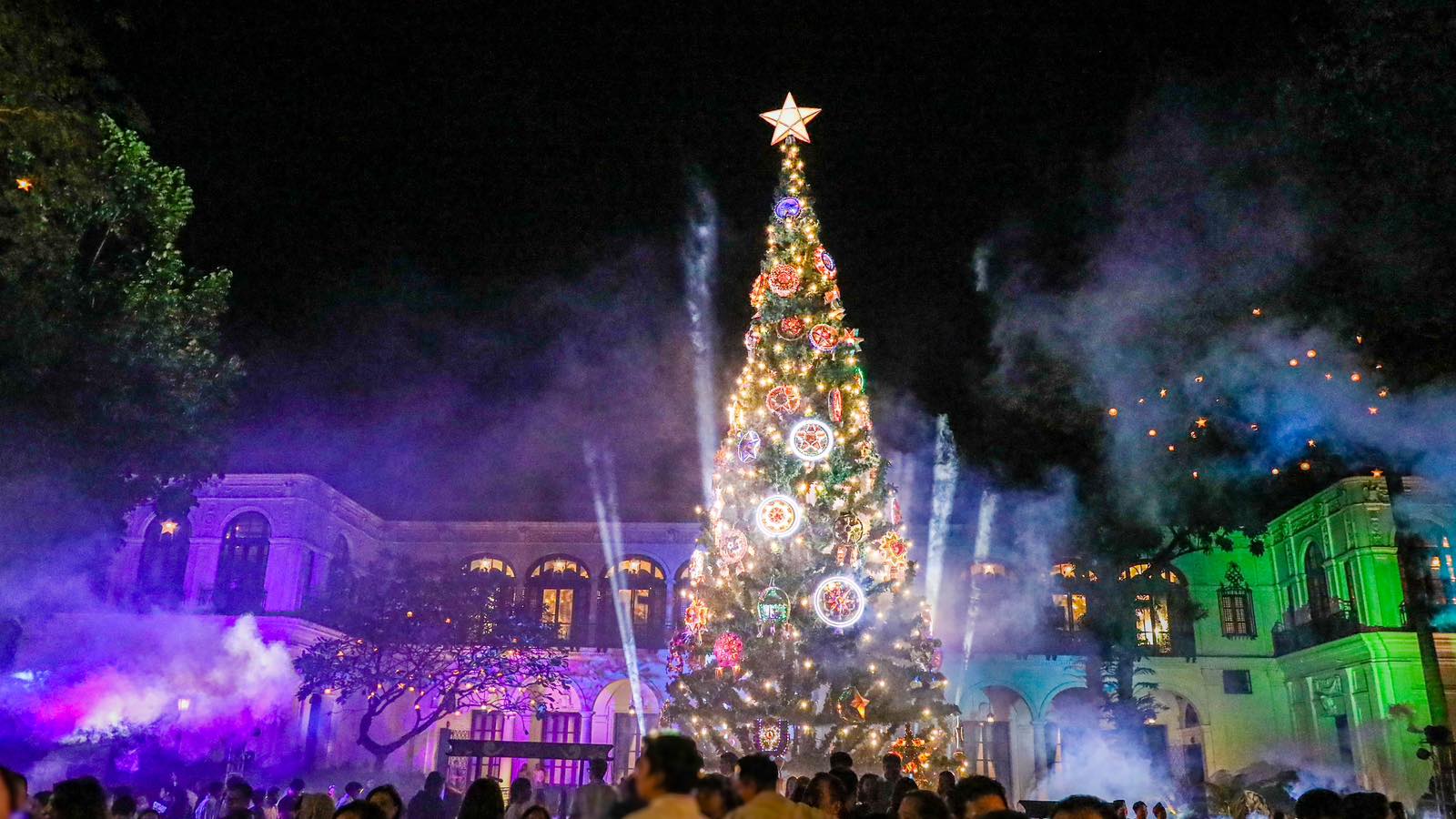
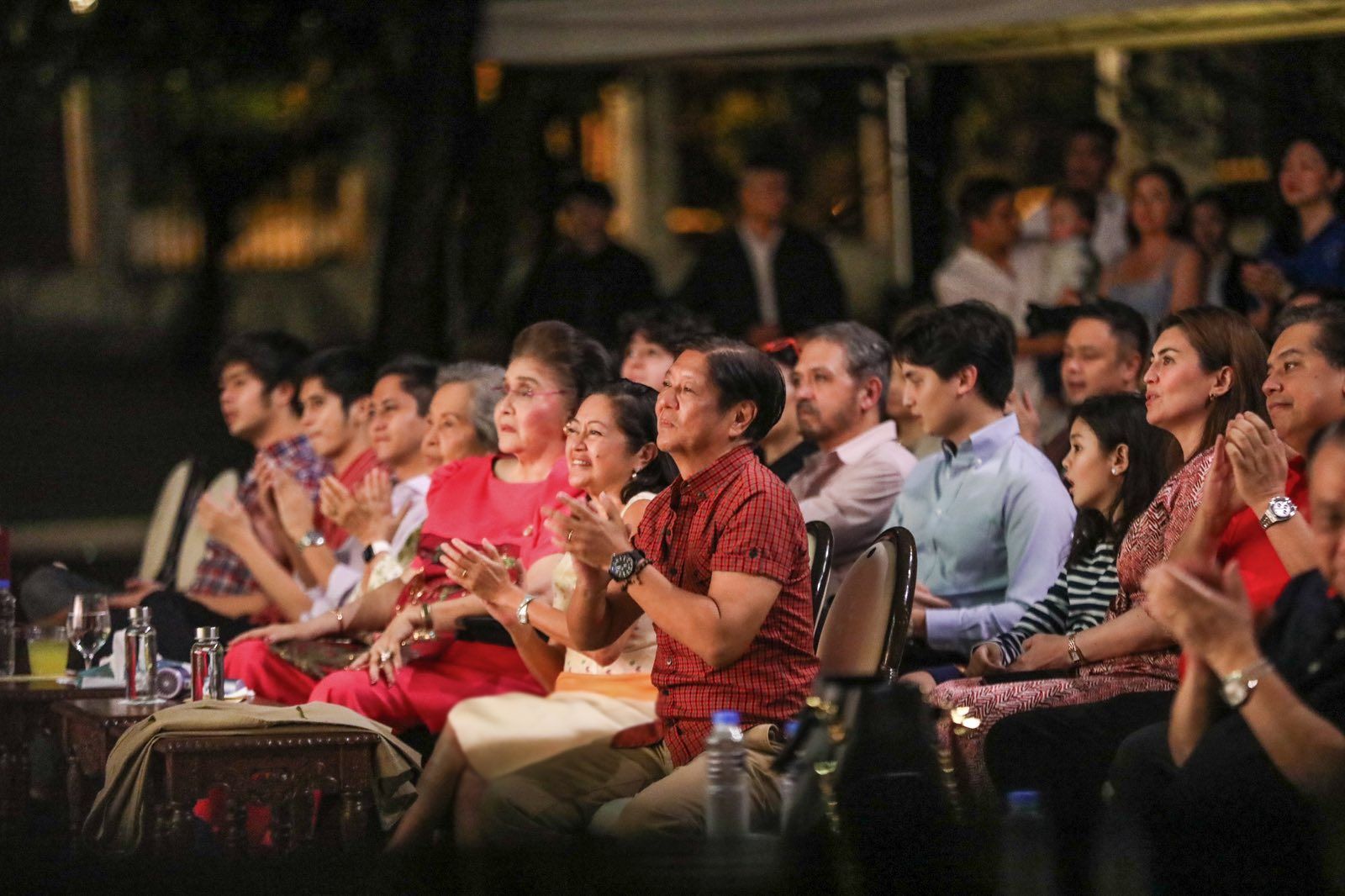
“We all deserve Christmas,” said President Ferdinand R. Marcos Jr. (PBBM) at his speech at the Christmas Tree Lighting ceremonies at Malacañan Palace on Dec. 1. “But as we celebrate, [what] I would like is to ask you to hold a thought for all those people who up to now are trying to recover from the effects of the six typhoons that we suffered in 23 days. Many of them are still in shelters. Many of them are still in need.”
The President remained upbeat, however, reminding the people that “No matter how many problems are thrown at us, there is nothing that will quench the Christmas spirit in the Filipino heart—in every child, man, woman, and Filipino. Hindi mo na matatangal sa Pilipino yan.”
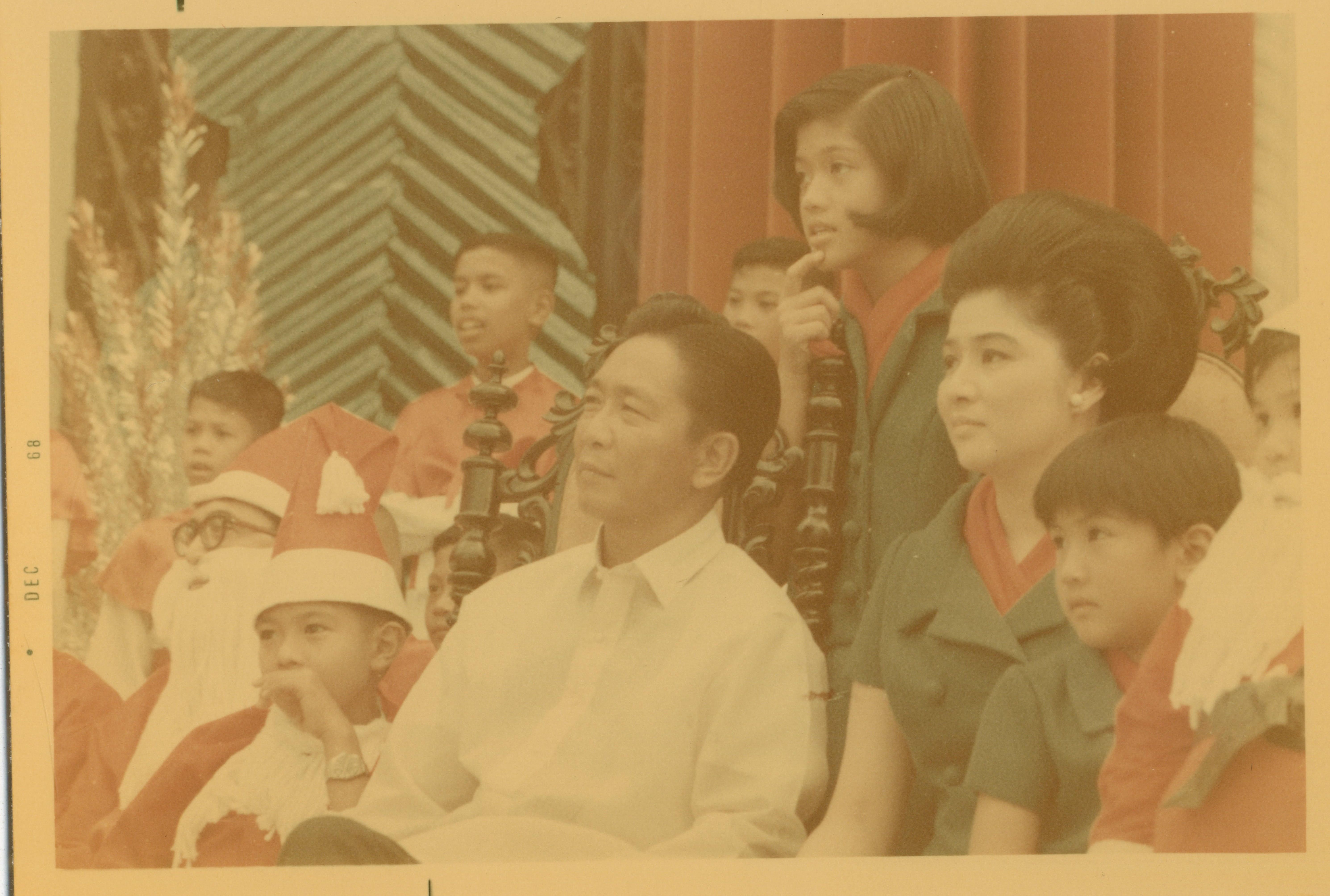
Celebrating the start of the Christmas season with the public at Malacañan Palace has been a tradition for the Marcos family since the time of PBBM’s father’s, the late President Ferdinand E. Marcos’ (PFEM) administration (1965 -1986). To cap her social welfare activities, PBBM’s mother, the former First Lady Imelda Romualdez Marcos, would hold the “Maligayang Pasko” project, which brought cheer to 100,000 poor families in Manila. Children were invited to partake of festivities on the palace grounds and personally receive gifts from the first family.
The next day, it was reported that PBBM spread the Christmas cheer by visiting Marillac Hills, formerly known as the Marillac Home for Wayward Girls, a tradition PBBM has been honoring for over a decade now both as a public servant and civilian. Marillac Home in Muntinlupa is one of five welfare villages built by his mother Imelda when she was First Lady as part of her Integrated Social Welfare Program. Under PFEM’s administration (PFEM), it was the national center for the rehabilitation of girls in need of state interventions.
The Nayon ng Kabataan (orphanage), Reception and Study Center for Children and Youth in Quezon City, The Home for the Aged and Infirm, and Molave Village for Boys were also just a few that were built by Imelda to provide equal opportunity for the less fortunate. Just a side note, I remember reading in PFEM’s diary that one of the ways he taught his children how to give back was to have them do weekly civic work. He mentioned in his diary how his daughter Imee, now senator, would teach catechism at the orphanage each week and even celebrate her birthday with children in these villages.
PBBM also visited Manila Boy’s Town in Marikina, a “residential care for indigent boys, girls, and the elderly.” Although located in Marikina, it is operated by the Manila local government. Founded in 1947, it was originally for boys (eight to 16 years old) from marginalized families, where they would be trained to return to mainstream society. Today, the Boys Town Complex include “a girl’s home (three to 16 years old), a home for the aged (60 years and above), and a foundling home for boys (three to seven years old).”
In his speech at both Marillac Hills and Boys Town Complex, PBBM wished that “every Filipino should somehow feel the Christmas (spirit),” but most especially the children. With the help of the Department of Social Welfare and Development and other government agencies and officials, PBBM distributed medical kits, rice, and other items for the residents and respective welfare institutions.
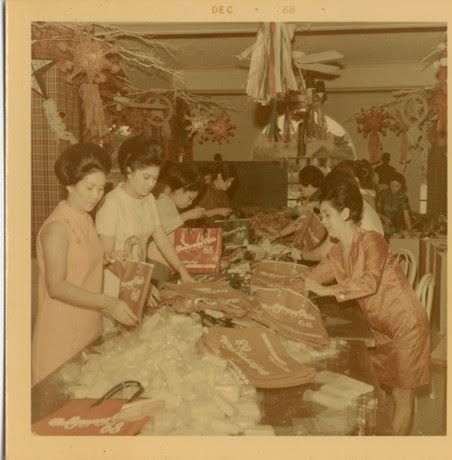
PFEM and Imelda’s concern for the underprivileged and the weakest of them all, the aged, women, and abused and abandoned children has indeed rubbed off on their children. Imelda’s goal was to give the children in these villages a new lease in life by providing a family-centered daily living program and training that would prepare them for an independent and self-sufficient future. It is after all their well-being the state was trying to ensure, not just during their time in the villages but as future productive members of society.
In his book Notes on the New Society (1973), PFEM clarified, “It is time that we understood welfare: the common misconception is that it is merely a more respectable word for charity since it is ‘dispensed’ by the state. The truth is that welfare is wellbeing… and the promotion of well-being of members and citizens is the reason for the existence of society and the state.”
PFEM warned in his book Today’s Revolution: Democracy (1971), however, that “No government can remain a patron (of the poor) without institutionalizing a general dependency that is not only a burden but a threat. While government must care for the unfortunate members of society, this cannot be its social mission. The social mission of government, given widespread poverty, is to turn wards into free men. For unless this is done, they will soon constitute a separate nation of the poor.”