ADVERTISEMENT

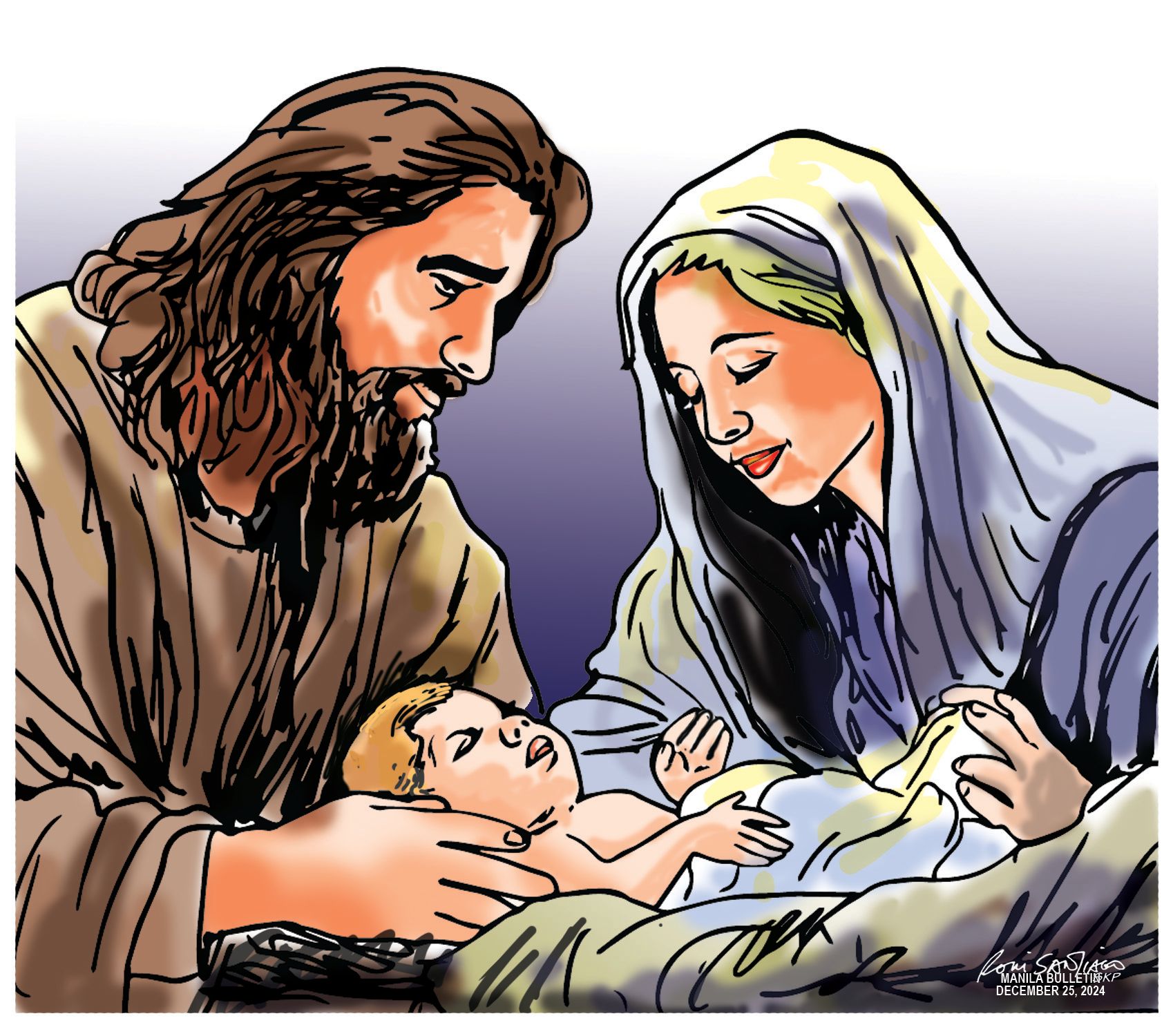
Christmas: A story of hope, grace, and salvation through Jesus Christ

Published Dec 24, 2024 04:13 pm

E CARTOON DEC 25, 2024.jpg


As the world gets swamped by the sights and sounds of the Christmas season — twinkling lights, festive music, and the bustle of holiday shopping — it’s easy to become swept up in the hustle and bustle of the holiday atmosphere. 


Yet, as Christians, we have to reflect on the deeper significance of this sacred holiday. Christmas, more than just a celebration of gift-giving or a cozy family gathering, is a reminder of God's incredible love for humanity, made manifest in the birth of Jesus Christ.


The story of Christmas is the story of God’s divine plan to redeem a broken world. The birth of Jesus, our Lord and Savior, marks the fulfillment of ancient prophecies and the beginning of God’s intervention to restore humanity’s relationship with Him. This is the true meaning of Christmas — a story of hope, salvation, and grace.


At the heart of the Christmas story lies the reality of sin. From the very beginning, when Adam and Eve chose to disobey God in the Garden of Eden, sin entered the world and separated humanity from its Creator. As the Apostle Paul writes in Romans 3:23, “for all have sinned and fall short of the glory of God.” The consequences of sin are dire: spiritual death, separation from God, and a life marked by suffering and despair.


This is the sad state of humanity — caught in the web of sin and unable to save itself. 


But Jesus’ birth in Bethlehem was the beginning of God's solution to this problem. As the angel told Joseph in Matthew 1:21, “She will give birth to a son, and you are to give him the name Jesus, because he will save his people from their sins.” Jesus, whose very name means “The Lord Saves,” was sent to redeem humanity from the grip of sin. His birth was the first step in God’s plan to reconcile us to Himself.


The life and teachings of Jesus, culminating in His sacrificial death on the cross, were all part of that divine plan. As the Bible tells us, Jesus lived a perfect life, sinless and pure. He willingly took upon Himself the sins of the world, dying on the cross to pay the penalty that we deserved. Through His death, humanity was offered forgiveness and reconciliation with God. As John 3:16 declares, “For God so loved the world that He gave His one and only Son, that whoever believes in Him shall not perish but have eternal life.”


This is why Jesus is the true reason for the season. Christmas is a reminder of the gift of salvation that was made possible through His birth, life, death, and resurrection. Without Jesus, there would be no hope. Without the Savior, we would remain lost in our sin.


In the midst of the Christmas festivities, we must not forget the reason for the joy we celebrate. The light that shines in the darkness is the light of Christ. The hope we embrace is the hope found in the gospel — the good news that Jesus came to save us from eternal condemnation, to heal us, and to offer us eternal life.


In a world where challenges abound — whether personal struggles, societal issues, or global crises — the hope of Christmas offers a beacon of light in the darkness. The birth of Jesus signifies that God is not distant or indifferent to our suffering, but that He entered our world, sharing in our pain and offering a way to overcome it. The cross stands as a testament to God’s love, a love so powerful that it has the capacity to transform lives, heal wounds, and bring peace to troubled hearts.


In these challenging times, the hope of Christmas is more relevant than ever. As we face difficulties in our personal lives, as nations wrestle with conflict and division, and as our world grapples with uncertainty, we can look to Jesus Christ, our Lord and Savior. He is the living Christ, the one who offers hope and redemption to all who believe in Him. 
 

Related Tags

EDITORIAL
ADVERTISEMENT
.most-popular .layout-ratio{ padding-bottom: 79.13%; } @media (min-width: 768px) and (max-width: 1024px) { .widget-title { font-size: 15px !important; } }

{{ articles_filter_1561_widget.title }}

.most-popular .layout-ratio{ padding-bottom: 79.13%; } @media (min-width: 768px) and (max-width: 1024px) { .widget-title { font-size: 15px !important; } }

{{ articles_filter_1562_widget.title }}

.most-popular .layout-ratio{ padding-bottom: 79.13%; } @media (min-width: 768px) and (max-width: 1024px) { .widget-title { font-size: 15px !important; } }

{{ articles_filter_1563_widget.title }}

{{ articles_filter_1564_widget.title }}

.mb-article-details { position: relative; } .mb-article-details .article-body-preview, .mb-article-details .article-body-summary{ font-size: 17px; line-height: 30px; font-family: "Libre Caslon Text", serif; color: #000; } .mb-article-details .article-body-preview iframe , .mb-article-details .article-body-summary iframe{ width: 100%; margin: auto; } .read-more-background { background: linear-gradient(180deg, color(display-p3 1.000 1.000 1.000 / 0) 13.75%, color(display-p3 1.000 1.000 1.000 / 0.8) 30.79%, color(display-p3 1.000 1.000 1.000) 72.5%); position: absolute; height: 200px; width: 100%; bottom: 0; display: flex; justify-content: center; align-items: center; padding: 0; } .read-more-background a{ color: #000; } .read-more-btn { padding: 17px 45px; font-family: Inter; font-weight: 700; font-size: 18px; line-height: 16px; text-align: center; vertical-align: middle; border: 1px solid black; background-color: white; } .hidden { display: none; }
function initializeAllSwipers() { // Get all hidden inputs with cms_article_id document.querySelectorAll('[id^="cms_article_id_"]').forEach(function (input) { const cmsArticleId = input.value; const articleSelector = '#article-' + cmsArticleId + ' .body_images'; const swiperElement = document.querySelector(articleSelector); if (swiperElement && !swiperElement.classList.contains('swiper-initialized')) { new Swiper(articleSelector, { loop: true, pagination: false, navigation: { nextEl: '#article-' + cmsArticleId + ' .swiper-button-next', prevEl: '#article-' + cmsArticleId + ' .swiper-button-prev', }, }); } }); } setTimeout(initializeAllSwipers, 3000); const intersectionObserver = new IntersectionObserver( (entries) => { entries.forEach((entry) => { if (entry.isIntersecting) { const newUrl = entry.target.getAttribute("data-url"); if (newUrl) { history.pushState(null, null, newUrl); let article = entry.target; // Extract metadata const author = article.querySelector('.author-section').textContent.replace('By', '').trim(); const section = article.querySelector('.section-info ').textContent.replace(' ', ' '); const title = article.querySelector('.article-title h1').textContent; // Parse URL for Chartbeat path format const parsedUrl = new URL(newUrl, window.location.origin); const cleanUrl = parsedUrl.host + parsedUrl.pathname; // Update Chartbeat configuration if (typeof window._sf_async_config !== 'undefined') { window._sf_async_config.path = cleanUrl; window._sf_async_config.sections = section; window._sf_async_config.authors = author; } // Track virtual page view with Chartbeat if (typeof pSUPERFLY !== 'undefined' && typeof pSUPERFLY.virtualPage === 'function') { try { pSUPERFLY.virtualPage({ path: cleanUrl, title: title, sections: section, authors: author }); } catch (error) { console.error('ping error', error); } } // Optional: Update document title if (title && title !== document.title) { document.title = title; } } } }); }, { threshold: 0.1 } ); function showArticleBody(button) { const article = button.closest("article"); const summary = article.querySelector(".article-body-summary"); const body = article.querySelector(".article-body-preview"); const readMoreSection = article.querySelector(".read-more-background"); // Hide summary and read-more section summary.style.display = "none"; readMoreSection.style.display = "none"; // Show the full article body body.classList.remove("hidden"); } document.addEventListener("DOMContentLoaded", () => { let loadCount = 0; // Track how many times articles are loaded const offset = [1, 2, 3, 4, 5, 6, 7, 8, 9, 10]; // Offset values const currentUrl = window.location.pathname.substring(1); let isLoading = false; // Prevent multiple calls if (!currentUrl) { console.log("Current URL is invalid."); return; } const sentinel = document.getElementById("load-more-sentinel"); if (!sentinel) { console.log("Sentinel element not found."); return; } function isSentinelVisible() { const rect = sentinel.getBoundingClientRect(); return ( rect.top < window.innerHeight && rect.bottom >= 0 ); } function onScroll() { if (isLoading) return; if (isSentinelVisible()) { if (loadCount >= offset.length) { console.log("Maximum load attempts reached."); window.removeEventListener("scroll", onScroll); return; } isLoading = true; const currentOffset = offset[loadCount]; window.loadMoreItems().then(() => { let article = document.querySelector('#widget_1690 > div:nth-last-of-type(2) article'); intersectionObserver.observe(article) loadCount++; }).catch(error => { console.error("Error loading more items:", error); }).finally(() => { isLoading = false; }); } } window.addEventListener("scroll", onScroll); });

Sign up by email to receive news.