








The Department of Public Works and Highways (DPWH) is taking measures to preserve the structural integrity and enhance the visual appeal of the Panguil Bay Bridge, Northern Mindanao’s iconic infrastructure.
On Saturday, Dec. 14, DPWH Senior Undersecretary Emil K. Sadain led an inspection to oversee rectification works on the bridge’s asphalt layer and thermoplastic pavement markings.

In his report to DPWH Secretary Manuel M. Bonoan, Sadain announced that the contractor, Namkwang-Kukdong-Gumgwang Joint Venture (NKG JV), had completed the emergency replacement of damaged asphalt pavement at no additional cost to the government.
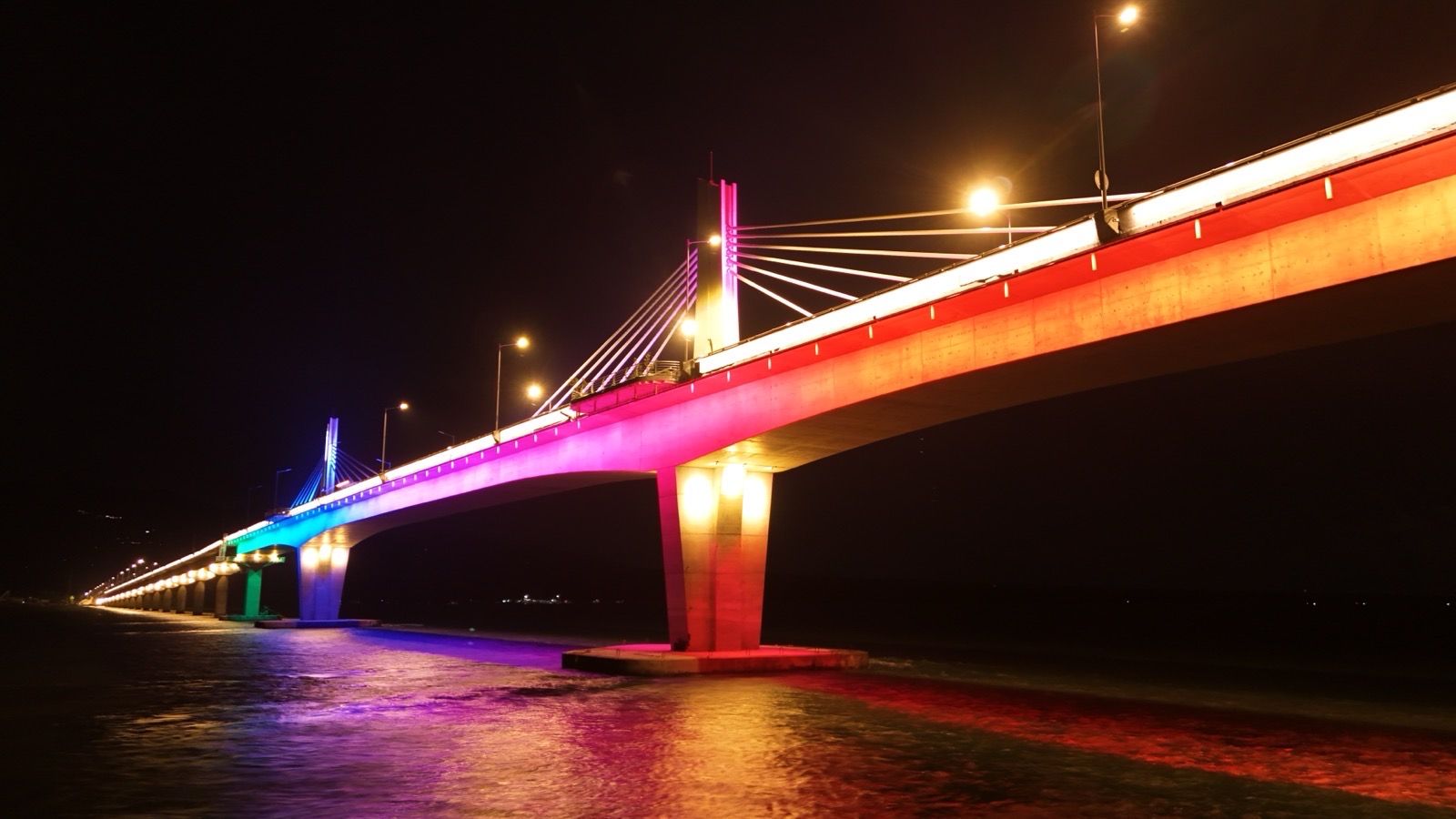
Sadain said the aesthetic lighting will elevate the 3.17-kilometer Panguil Bay Bridge into not only an engineering marvel but also a visual icon that represents “unity and progress.”
“This initiative will foster tourism and economic growth in Northern Mindanao,” Sadain said in a statement.
The DPWH said Panguil Bay Bridge’s new aesthetic lighting system utilizes energy-efficient LED lights, enhancing the architectural beauty of Mindanao’s longest sea-crossing bridge and reinforcing its role as a regional icon.
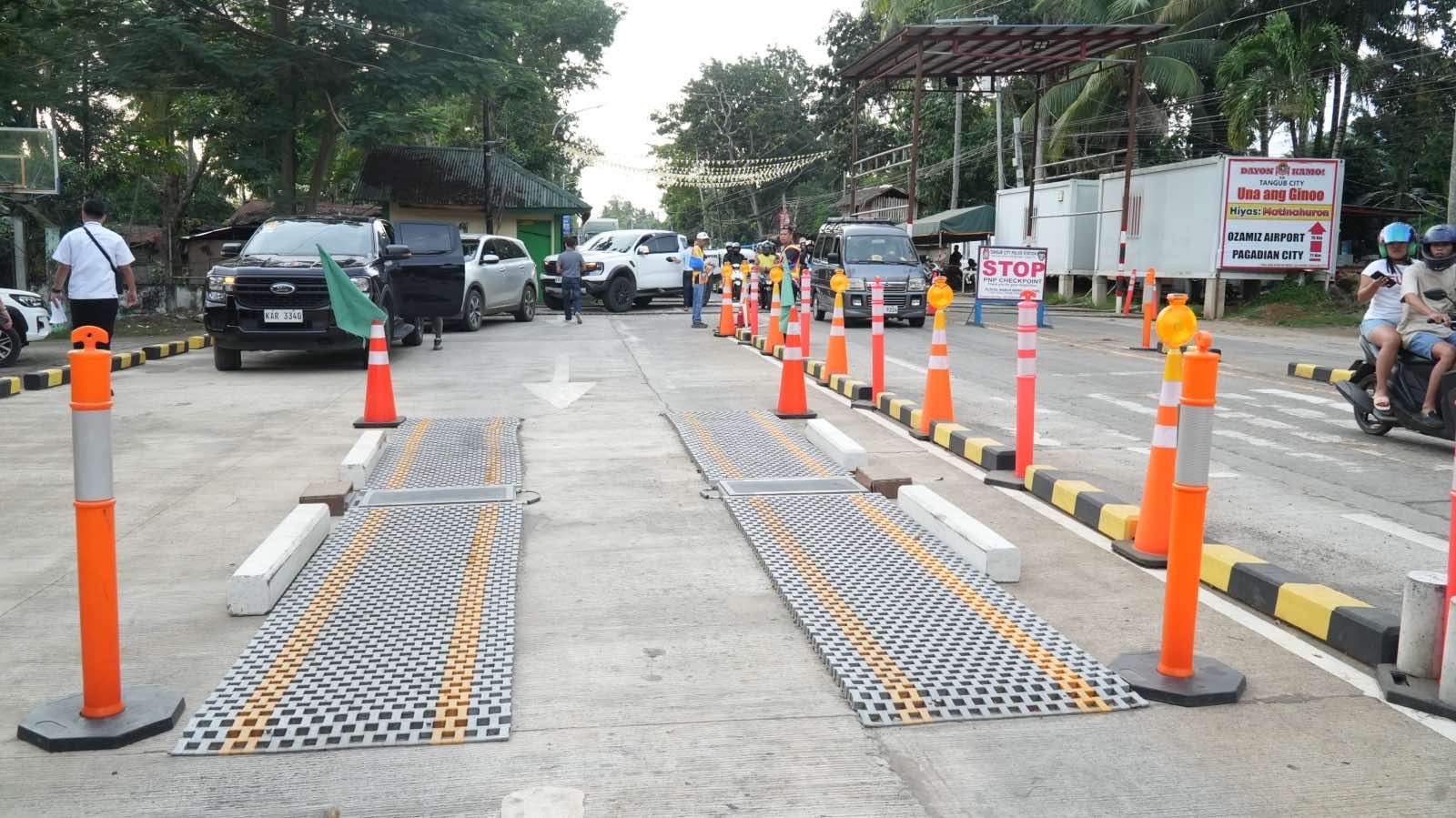
Meanwhile, the agency said it has strengthened anti-overloading efforts to prevent recurring problems like asphalt deformation and potholes. Portable weighing stations, running 24/7 at the Tangub City and Tubod ends of the bridge, are being operated by the Misamis Occidental 2nd and Lanao del Norte 1st District Engineering Offices.
Also, the agency said it directed the contractor to submit a comprehensive asphalt pavement upgrading plan, which includes a revised asphalt mix design and waterproofing measures. The full replacement and upgrading of the bridge’s asphalt layer are scheduled for early 2025, the DPWH noted.
Since its opening in September 2024, the agency said the 3.17-kilometer bridge has drastically reduced travel time between Tangub City in Misamis Occidental and Tubod in Lanao del Norte, from over two hours by ferry to just seven minutes.
The bridge has significantly boosted connectivity, mobility, and socio-economic activities in Mindanao, strengthening trade and development in the region, the agency added.
The DPWH said the project is financed through the Korean Economic Development Cooperation Fund (EDCF) via the Export-Import Bank of Korea.