

ADVERTISEMENT

Bangsamoro Parliament OKs Indigenous Peoples' Act of 2024

Published Dec 12, 2024 02:12 pm

DAVAO CITY – The Bangsamoro Parliament passed the long-awaited Bangsamoro Indigenous Peoples’ Act (BIPA) of 2024 on third and final reading during a special session on Dec. 10.

The BIPA, also known as the Indigenous Peoples (IP) Code, was approved with 63 votes in favor, zero against, and no abstentions. 
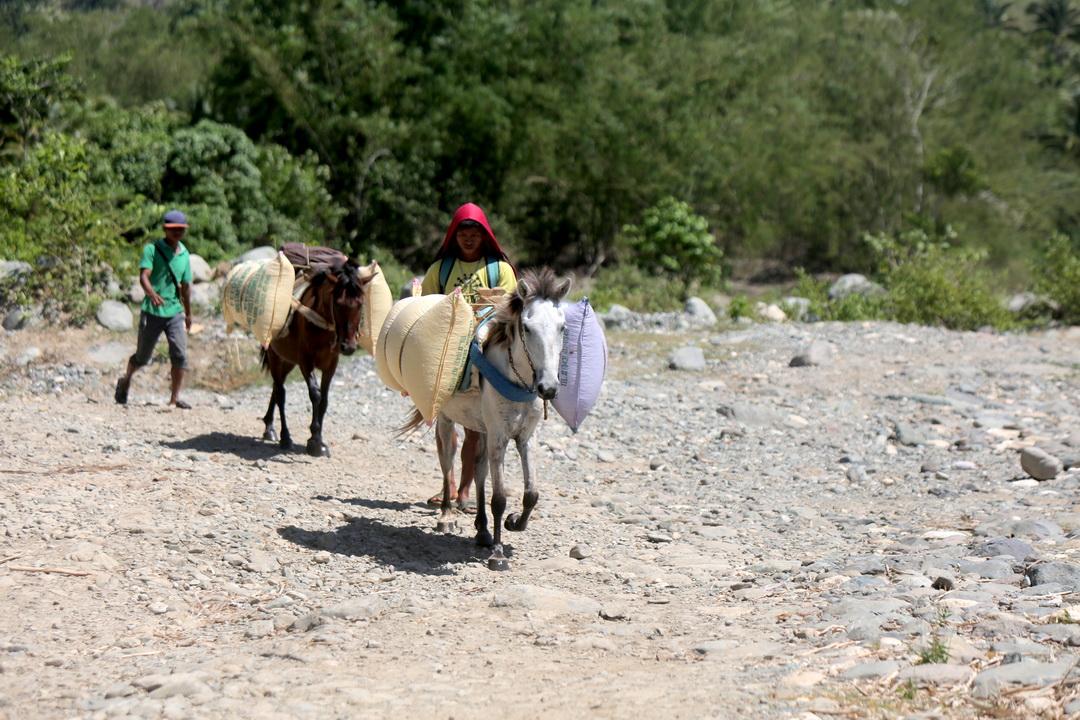
CORN FARMERS.jpg

FARMERS haul bags of corn in Barangay Kuya, South Upi, Maguindanao del Sur. (Keith Bacongco)

The BIPA is one of the priority measures that must be passed during the transition period under the Bangsamoro Organic Law (BOL).

As mandated by the BOL, the Bangsamoro Transition Authority (BTA) of the Bangsamoro Autonomous Region in Muslim Mindanao (BARMM) was tasked to pass  the IP Code, one of the six codes eyed to be passed before the end of its term and in time for the first BARMM parliamentary elections next year.

The BTA has passed other priority measures, including the Administrative Code, Education Code, Civil Service Code, Local Governance Code, and Electoral Code. 

The BOL recognized the IP groups within region as Non-Moro Indigenous Peoples (NMIP), composed of the  Téduray, Lambangian, Dulangan Manobo, Erumanun Ne Menuvu, Higaonon, B’laan, Badjao, Sama Dilaut, Jama Mapun, Sama Bangingi, and Sama Pangutaran, among others.

In a statement, the Bangsamoro Parliament said the passage of the law is a historic success in  the region’s ongoing peace process and commitment to inclusive governance.

It added that the law seeks to address the long-standing challenges faced by tribal communities in the Bangsamoro region, adding that the newly-enacted law introduces a comprehensive legal framework to protect and empower the NMIPs that represent about two percent of the BARMM’s 4.4-million population.

Many of these IP groups are located in the hinterlands of Maguindanao provinces and some villages in the Special Geographic Areas.

Under the newly-enacted law, one of its core provisions is the explicit recognition of IPs’ ownership over their ancestral domains, referred to as fusaka ingëd, which include the lands, forests, rivers, and other natural resources historically owned and utilized by these communities.

The IP Code also established the Fusaka Ingëd Development Office (FIDO) under the Ministry of Indigenous Peoples’ Affairs (MIPA) which will coordinate efforts for the socio-economic development of ancestral domains.

Prior to its enactment,  various NMIP groups have expressed concern on the version of the IP code that the BTA had been pushing.

The NMIP groups are wary that the BTA’s version of IP Code may not truly reflect the aspirations of IPs in the region. 

Among the groups that expressed concern are the Gempe te Kelindaan ne Kamal te Erumanen ne Menuvu (Erumanen ne Menuvu), Mënubù Dulangan Tribal Justice and Self-Governance (Mënubù Dulangan), and Timuay Justice and Governance (Tëduray and Lambangian). 

These IP groups have yet to issue a statement on the enactment of BIPA as of posting time. 

BTA Committee on Indigenous Peoples Affairs (CIPA) Chairman Ramon Piang said that the BIPA is an enhanced version of the Indigenous Peoples’ Rights Act.

Piang added that the BIPA is specifically designed to meet the unique needs of the Bangsamoro indigenous population.

He said that the law also aims to rectify historical injustices and combat the socio-economic marginalization of IPs, ensuring they have better access to education, healthcare, and employment opportunities.

Under the new law, an Indigenous Peoples’ Council will be created to ensure the voices of tribes are heard in matters affecting their communities.

Bangsamoro Parliament Speaker Pangalian Balindong said that BIPA is aligned with the Bangsamoro government’s larger vision for creating a better and more just society in which no group is left behind in its pursuit of development.  

Related Tags

Bangsamoro Organic Law BARMM Bangsamoro Parliament Bangsamoro Indigenous Peoples’ Act of 2024
ADVERTISEMENT
.most-popular .layout-ratio{ padding-bottom: 79.13%; } @media (min-width: 768px) and (max-width: 1024px) { .widget-title { font-size: 15px !important; } }

{{ articles_filter_1561_widget.title }}

.most-popular .layout-ratio{ padding-bottom: 79.13%; } @media (min-width: 768px) and (max-width: 1024px) { .widget-title { font-size: 15px !important; } }

{{ articles_filter_1562_widget.title }}

.most-popular .layout-ratio{ padding-bottom: 79.13%; } @media (min-width: 768px) and (max-width: 1024px) { .widget-title { font-size: 15px !important; } }

{{ articles_filter_1563_widget.title }}

{{ articles_filter_1564_widget.title }}

.mb-article-details { position: relative; } .mb-article-details .article-body-preview, .mb-article-details .article-body-summary{ font-size: 17px; line-height: 30px; font-family: "Libre Caslon Text", serif; color: #000; } .mb-article-details .article-body-preview iframe , .mb-article-details .article-body-summary iframe{ width: 100%; margin: auto; } .read-more-background { background: linear-gradient(180deg, color(display-p3 1.000 1.000 1.000 / 0) 13.75%, color(display-p3 1.000 1.000 1.000 / 0.8) 30.79%, color(display-p3 1.000 1.000 1.000) 72.5%); position: absolute; height: 200px; width: 100%; bottom: 0; display: flex; justify-content: center; align-items: center; padding: 0; } .read-more-background a{ color: #000; } .read-more-btn { padding: 17px 45px; font-family: Inter; font-weight: 700; font-size: 18px; line-height: 16px; text-align: center; vertical-align: middle; border: 1px solid black; background-color: white; } .hidden { display: none; }
function initializeAllSwipers() { // Get all hidden inputs with cms_article_id document.querySelectorAll('[id^="cms_article_id_"]').forEach(function (input) { const cmsArticleId = input.value; const articleSelector = '#article-' + cmsArticleId + ' .body_images'; const swiperElement = document.querySelector(articleSelector); if (swiperElement && !swiperElement.classList.contains('swiper-initialized')) { new Swiper(articleSelector, { loop: true, pagination: false, navigation: { nextEl: '#article-' + cmsArticleId + ' .swiper-button-next', prevEl: '#article-' + cmsArticleId + ' .swiper-button-prev', }, }); } }); } setTimeout(initializeAllSwipers, 3000); const intersectionObserver = new IntersectionObserver( (entries) => { entries.forEach((entry) => { if (entry.isIntersecting) { const newUrl = entry.target.getAttribute("data-url"); if (newUrl) { history.pushState(null, null, newUrl); let article = entry.target; // Extract metadata const author = article.querySelector('.author-section').textContent.replace('By', '').trim(); const section = article.querySelector('.section-info ').textContent.replace(' ', ' '); const title = article.querySelector('.article-title h1').textContent; // Parse URL for Chartbeat path format const parsedUrl = new URL(newUrl, window.location.origin); const cleanUrl = parsedUrl.host + parsedUrl.pathname; // Update Chartbeat configuration if (typeof window._sf_async_config !== 'undefined') { window._sf_async_config.path = cleanUrl; window._sf_async_config.sections = section; window._sf_async_config.authors = author; } // Track virtual page view with Chartbeat if (typeof pSUPERFLY !== 'undefined' && typeof pSUPERFLY.virtualPage === 'function') { try { pSUPERFLY.virtualPage({ path: cleanUrl, title: title, sections: section, authors: author }); } catch (error) { console.error('ping error', error); } } // Optional: Update document title if (title && title !== document.title) { document.title = title; } } } }); }, { threshold: 0.1 } ); function showArticleBody(button) { const article = button.closest("article"); const summary = article.querySelector(".article-body-summary"); const body = article.querySelector(".article-body-preview"); const readMoreSection = article.querySelector(".read-more-background"); // Hide summary and read-more section summary.style.display = "none"; readMoreSection.style.display = "none"; // Show the full article body body.classList.remove("hidden"); } document.addEventListener("DOMContentLoaded", () => { let loadCount = 0; // Track how many times articles are loaded const offset = [1, 2, 3, 4, 5, 6, 7, 8, 9, 10]; // Offset values const currentUrl = window.location.pathname.substring(1); let isLoading = false; // Prevent multiple calls if (!currentUrl) { console.log("Current URL is invalid."); return; } const sentinel = document.getElementById("load-more-sentinel"); if (!sentinel) { console.log("Sentinel element not found."); return; } function isSentinelVisible() { const rect = sentinel.getBoundingClientRect(); return ( rect.top < window.innerHeight && rect.bottom >= 0 ); } function onScroll() { if (isLoading) return; if (isSentinelVisible()) { if (loadCount >= offset.length) { console.log("Maximum load attempts reached."); window.removeEventListener("scroll", onScroll); return; } isLoading = true; const currentOffset = offset[loadCount]; window.loadMoreItems().then(() => { let article = document.querySelector('#widget_1690 > div:nth-last-of-type(2) article'); intersectionObserver.observe(article) loadCount++; }).catch(error => { console.error("Error loading more items:", error); }).finally(() => { isLoading = false; }); } } window.addEventListener("scroll", onScroll); });

Sign up by email to receive news.