ADVERTISEMENT

The dawn of an empire

Published Dec 10, 2024 04:20 pm

OF TREES AND FOREST

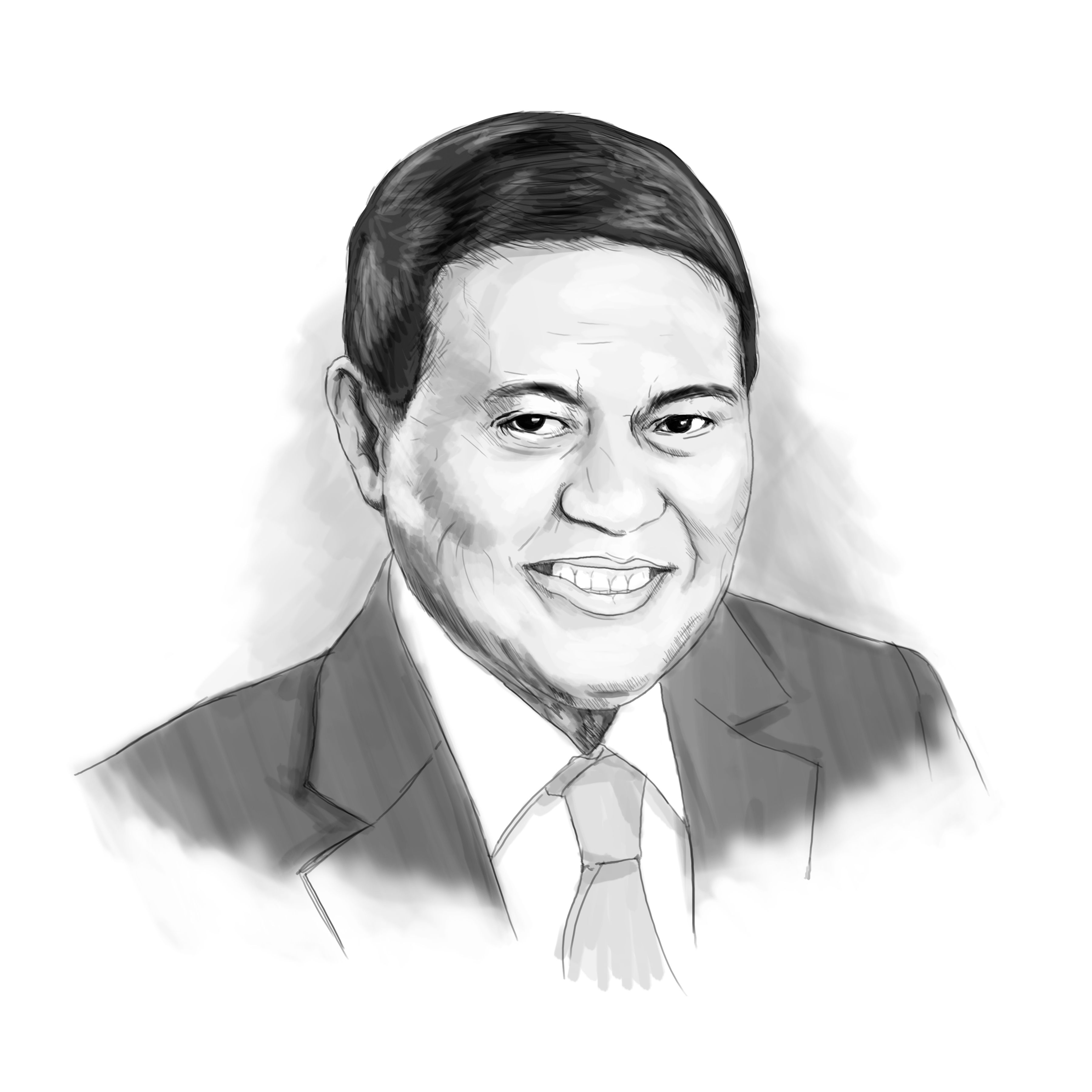
manny villar.jpg

The American industrialist Henry Ford once said, “Anyone who stops learning is old, whether at 20 or 80. Anyone who keeps learning stays young.” We cannot stop learning once we step out of the university or once we reach a certain age. And it is not just about learning something new. Sometimes you think you understood something all your life then later on you discover a new way of thinking about it.


In my history classes, for instance, I have always seen the Treaty of Paris of 1898 as a document that primarily impacts the Philippines. I was taught, and I assumed so were millions of Filipino students, that in this treaty Spain ceded the Philippines to the United States for $20 million. I have always fixated on that. The first time I heard this fact from a lecture I was outraged. What? For $20 million we were essentially sold by one colonizer to another. The outrage was, of course, justified.


Later on in life, I would read other documents and analyses on this important document signed by the United States and Spain on Dec. 10, 1898. This important treaty does not just cede “to the United States the archipelago known as the Philippine Islands,” in terms of geopolitics, it also signaled the end of one empire and the rise of a new one. The treaty, in essence, gave the US its first empire in the Philippines, Cuba, Guam, and Puerto Rico. 


What I found interesting was the fact that US policy makers actually had very heated philosophical debates on whether to ratify the treaty or not. According to the annotations by the Public Broadcasting Service (PBS), the treaty, which required two thirds majority vote to pass, “polarized the Senate on imperialism and nation’s future role in Cuba and the Philippines.” Many in the US Senate viewed the expansion of American might overseas as unconstitutional and “morally reprehensible.” Despite loud opposition, the treaty was ratified on a 57-27 vote.


More recently, President Ferdinand Marcos, Jr. highlighted the role of the Treaty of Paris and the Treaty of Washington vis-à-vis the territorial disputes in the West Philippine Sea. In his speech at the Shangri-La Dialogue held in Singapore, PBBM “referred to both the Treaty of Paris and the Treaty of Washington as the basis of the country’s territorial scope.” 


President Marcos asserted that “when we established our Commonwealth in 1935, we put together a constitution that defined our territory in accordance with the international treaties.” He was, of course referring to the 1898 Treaty of Paris, as clarified by the 1900 Treaty of Washington, which stated that “Philippine territory includes all islands of the Philippine archipelago lying outside the lines of the Treaty of Paris.”


Another important aspect of the treaty was what happened after. When it became increasingly clear that despite diplomatic efforts of Filipino representatives, the US would not recognize Philippine sovereignty, revolutionaries fought the Filipino-American War of 1899-1902. After having defeated Spain, its colonial master for 300 years, brave Filipino heroes would fight the emerging imperialist power until they finally regained complete and total independence.


Today, the American empire is not what it used to be. Changes in geopolitics and its domestic politics have made American power, well, less powerful. And the Philippines has continued to fight for genuine independence despite being able to establish the first independent republic in all of Asia.


The Treaty of Paris, signed 126 years ago, was a compelling reminder that the fight for independence and freedom, just like learning, never ceases.  It has taught us that we cannot be complacent and think that whatever freedom and independence we enjoy today will last forever. We need to value the independence we now enjoy because once lost, we know that we would have to pay the highest price, as our heroes did, in regaining our sovereignty as a people.

([email protected] and/or http://www.mannyvillar.com)

Related Tags

Of Trees And Forest FORMER SENATE PRESIDENT MANNY VILLAR
ADVERTISEMENT
.most-popular .layout-ratio{ padding-bottom: 79.13%; } @media (min-width: 768px) and (max-width: 1024px) { .widget-title { font-size: 15px !important; } }

{{ articles_filter_1561_widget.title }}

.most-popular .layout-ratio{ padding-bottom: 79.13%; } @media (min-width: 768px) and (max-width: 1024px) { .widget-title { font-size: 15px !important; } }

{{ articles_filter_1562_widget.title }}

.most-popular .layout-ratio{ padding-bottom: 79.13%; } @media (min-width: 768px) and (max-width: 1024px) { .widget-title { font-size: 15px !important; } }

{{ articles_filter_1563_widget.title }}

{{ articles_filter_1564_widget.title }}

.mb-article-details { position: relative; } .mb-article-details .article-body-preview, .mb-article-details .article-body-summary{ font-size: 17px; line-height: 30px; font-family: "Libre Caslon Text", serif; color: #000; } .mb-article-details .article-body-preview iframe , .mb-article-details .article-body-summary iframe{ width: 100%; margin: auto; } .read-more-background { background: linear-gradient(180deg, color(display-p3 1.000 1.000 1.000 / 0) 13.75%, color(display-p3 1.000 1.000 1.000 / 0.8) 30.79%, color(display-p3 1.000 1.000 1.000) 72.5%); position: absolute; height: 200px; width: 100%; bottom: 0; display: flex; justify-content: center; align-items: center; padding: 0; } .read-more-background a{ color: #000; } .read-more-btn { padding: 17px 45px; font-family: Inter; font-weight: 700; font-size: 18px; line-height: 16px; text-align: center; vertical-align: middle; border: 1px solid black; background-color: white; } .hidden { display: none; }
function initializeAllSwipers() { // Get all hidden inputs with cms_article_id document.querySelectorAll('[id^="cms_article_id_"]').forEach(function (input) { const cmsArticleId = input.value; const articleSelector = '#article-' + cmsArticleId + ' .body_images'; const swiperElement = document.querySelector(articleSelector); if (swiperElement && !swiperElement.classList.contains('swiper-initialized')) { new Swiper(articleSelector, { loop: true, pagination: false, navigation: { nextEl: '#article-' + cmsArticleId + ' .swiper-button-next', prevEl: '#article-' + cmsArticleId + ' .swiper-button-prev', }, }); } }); } setTimeout(initializeAllSwipers, 3000); const intersectionObserver = new IntersectionObserver( (entries) => { entries.forEach((entry) => { if (entry.isIntersecting) { const newUrl = entry.target.getAttribute("data-url"); if (newUrl) { history.pushState(null, null, newUrl); let article = entry.target; // Extract metadata const author = article.querySelector('.author-section').textContent.replace('By', '').trim(); const section = article.querySelector('.section-info ').textContent.replace(' ', ' '); const title = article.querySelector('.article-title h1').textContent; // Parse URL for Chartbeat path format const parsedUrl = new URL(newUrl, window.location.origin); const cleanUrl = parsedUrl.host + parsedUrl.pathname; // Update Chartbeat configuration if (typeof window._sf_async_config !== 'undefined') { window._sf_async_config.path = cleanUrl; window._sf_async_config.sections = section; window._sf_async_config.authors = author; } // Track virtual page view with Chartbeat if (typeof pSUPERFLY !== 'undefined' && typeof pSUPERFLY.virtualPage === 'function') { try { pSUPERFLY.virtualPage({ path: cleanUrl, title: title, sections: section, authors: author }); } catch (error) { console.error('ping error', error); } } // Optional: Update document title if (title && title !== document.title) { document.title = title; } } } }); }, { threshold: 0.1 } ); function showArticleBody(button) { const article = button.closest("article"); const summary = article.querySelector(".article-body-summary"); const body = article.querySelector(".article-body-preview"); const readMoreSection = article.querySelector(".read-more-background"); // Hide summary and read-more section summary.style.display = "none"; readMoreSection.style.display = "none"; // Show the full article body body.classList.remove("hidden"); } document.addEventListener("DOMContentLoaded", () => { let loadCount = 0; // Track how many times articles are loaded const offset = [1, 2, 3, 4, 5, 6, 7, 8, 9, 10]; // Offset values const currentUrl = window.location.pathname.substring(1); let isLoading = false; // Prevent multiple calls if (!currentUrl) { console.log("Current URL is invalid."); return; } const sentinel = document.getElementById("load-more-sentinel"); if (!sentinel) { console.log("Sentinel element not found."); return; } function isSentinelVisible() { const rect = sentinel.getBoundingClientRect(); return ( rect.top < window.innerHeight && rect.bottom >= 0 ); } function onScroll() { if (isLoading) return; if (isSentinelVisible()) { if (loadCount >= offset.length) { console.log("Maximum load attempts reached."); window.removeEventListener("scroll", onScroll); return; } isLoading = true; const currentOffset = offset[loadCount]; window.loadMoreItems().then(() => { let article = document.querySelector('#widget_1690 > div:nth-last-of-type(2) article'); intersectionObserver.observe(article) loadCount++; }).catch(error => { console.error("Error loading more items:", error); }).finally(() => { isLoading = false; }); } } window.addEventListener("scroll", onScroll); });

Sign up by email to receive news.