







Magsino seeks review of OFW reintegration programs; here's why


At A Glance
- In a bid to strengthen policies beneficial to Overseas Filipino Workers (OFWs), OFW Party-list Rep. Marissa "Del Mar" Magsino has filed a House resolution seek a review on the government's reintegration programs for members of the sector who chooses to return to the Philippines.
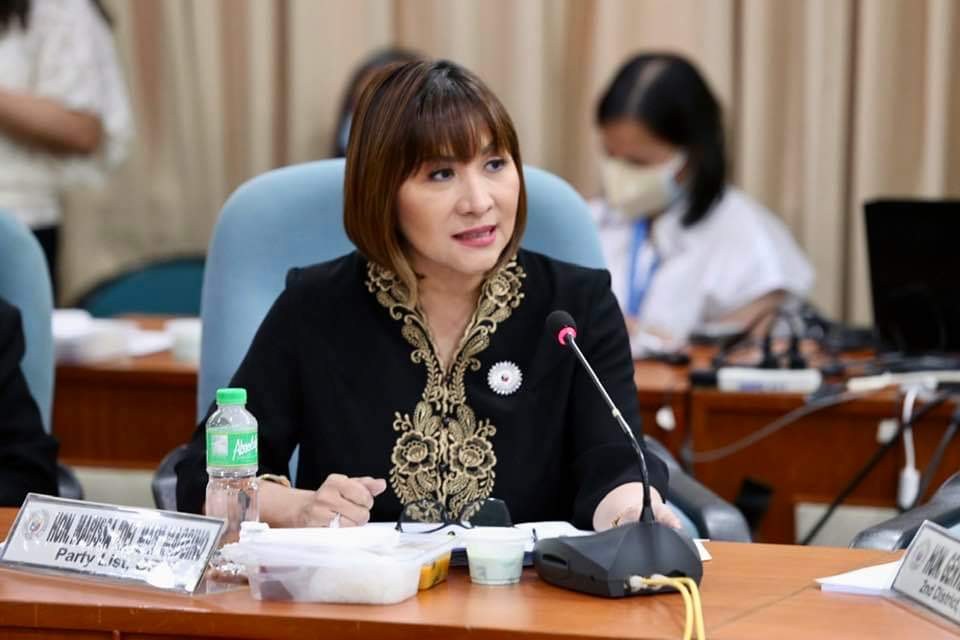 OFW Party-list Rep. Marissa "Del Mar" Magsino (Facebook)
In a bid to strengthen policies beneficial to Overseas Filipino Workers (OFWs), OFW Party-list Rep. Marissa “Del Mar” Magsino has filed a House resolution seek a review on the government’s reintegration programs for members of the sector who chooses to return to the Philippines.
Under House Resolution (HR) No. 2056, Magsino calls on the House Committee on Overseas Workers Affairs to investigate the effectiveness of such programs implemented by government agencies.
In a statement, she says a comprehensive review on reintegration programs is especially crucial amid the growing number of OFWs deployed abroad.
“Nakikita natin ang mga karanasan ng mga nagbabalik na OFWs at tunay ngang weakest link sa migration cycle ang reintegration,” said Magsino, citing her office’s monitoring of the programs.
(We see the experiences of returning OFWs and truly, the reintegration is the weakest link in the migration cycle.)
“Dahil dito, hindi malayong aalis lamang sila ulit dahil walang matibay na sistemang yayakap sa kanila sa kanilang pagbalik, lalo na pagdating sa kabuhayan sa bansa,” she explained.
(Because of this, it is not far-fetched for them to leave again because there is no strong system to care for them when they return, especially when it comes to their livelihood in the country.)
According to the Department of Migrant Workers (DMW), there are now over six million OFWs across the globe, with approximately one million of them undocumented.
Meanwhile, Magsino cited that about 44.1 percent of OFWs work in low-wage, elementary roles such as construction workers and domestic helpers. This makemakes reintegration difficult for them.
She also noted that 87 percent of OFWs who returned during the Covid-19 pandemic remained unemployed after three months. Most of them, according to the congresswoman, has not received any reintegration support.
HR No. 2056 also aims to address the long-standing challenges in migration for Filipinos, such as limited economic opportunities, lack of social stability, and inadequate psychological support, which have hindered reintegration efforts for many OFWs.
Magsino emphasized that by aligning reintegration programs to address economic, social, and psychological needs, OFWs will be empowered to reintegrate successfully in the country—whether permanently or intermittently.
The resolution will also look into possible partnerships between the private sector and civil society organizations for further development interventions and social protection.
“By creating sustainable reintegration pathways, we can have a future where returning to working abroad becomes an option by choice, not out of economic necessity,” added Magsino.