

ADVERTISEMENT

DepEd engages stakeholders to shape national policy on skills qualification

Published Nov 21, 2024 10:48 am

The Department of Education (DepEd) on Thursday, Nov. 21, announced that its partner agencies had convened stakeholders from the education, training, and labor sectors to discuss future interventions for implementing the Philippine Qualifications Framework (PQF).
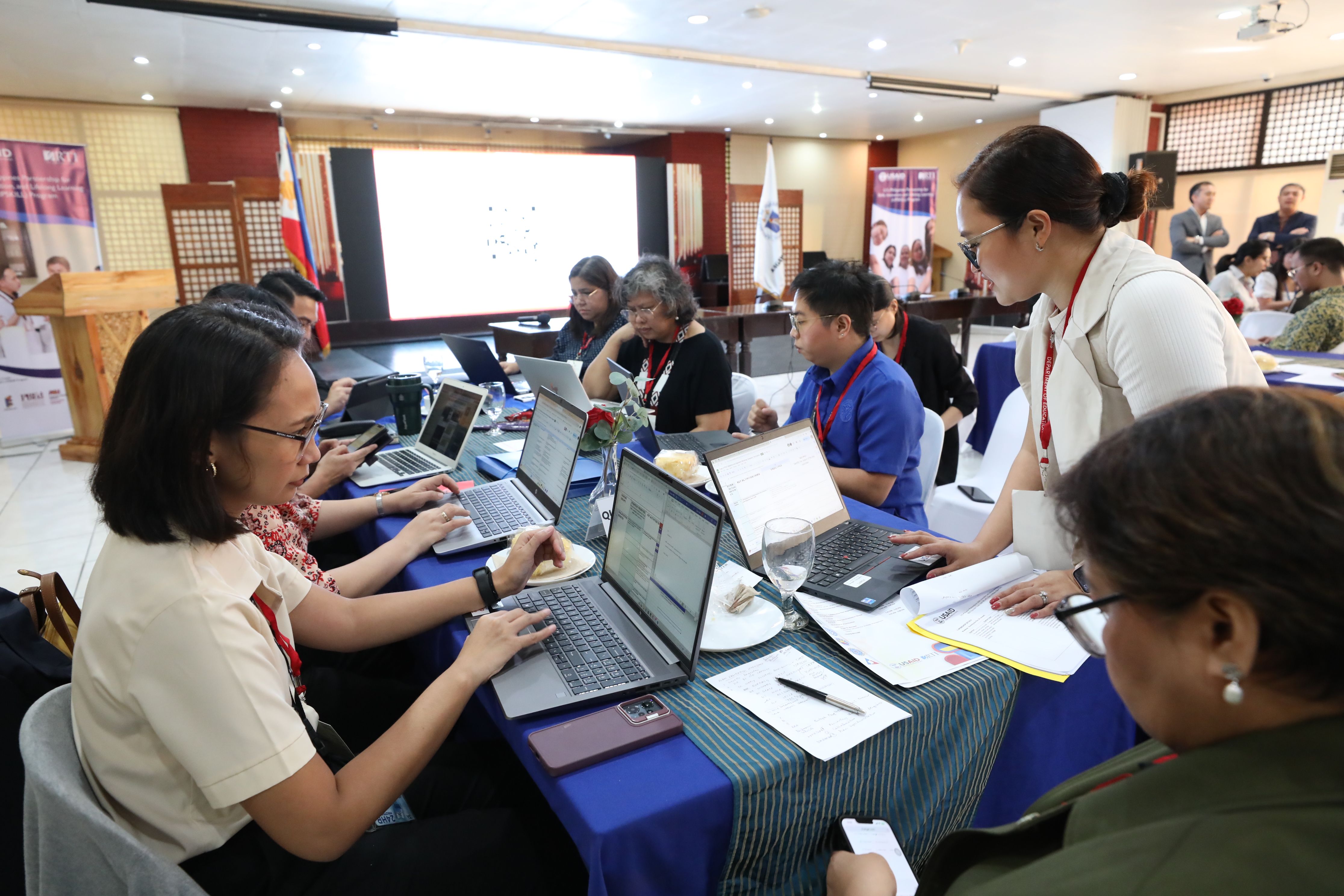
PHOTO 1.jpg
(Photo from DepEd)

Aligned with Republic Act No. 10968, also known as the PQF Act, DepEd explained that the PQF serves as a national policy defining educational qualification levels and establishing standards for qualification outcomes.

“It aims to harmonize basic, technical, vocational, and higher education into a unified nationwide framework of skills and competencies,” DepEd added.

During the PQF-National Coordinating Council (PQF-NCC) Plan Validation Workshop held on Nov. 20, representatives from DepEd, the Professional Regulation Commission (PRC), the Commission on Higher Education (CHED), the Technical Education and Skills Development Authority (TESDA), and the Department of Labor and Employment (DOLE) assessed the progress of plans formulated in earlier workshops for the PQF's implementation.

Priority

As the chairperson of the PQF-NCC, DepEd Secretary Sonny Angara has prioritized setting accelerated strategies for the Coordinating Council under his leadership.

This, DepEd noted, aligns with President Bongbong Marcos' agenda to produce future-ready, globally oriented graduates.

“Let us seize this moment to refine and solidify our plans for the next year,” said Undersecretary for Strategic Management Ronald Mendoza.

“The PQF is not just a framework but a steadfast commitment to uplifting lives, empowering our workforce, and ensuring the Philippines remains competitive globally,” he added.

DepEd said the one-day validation workshop allowed technical working groups to revisit their plans, establish collaborative agreements, identify interdependencies and linkages, and draft operational plans.

By implementing an internationally recognized qualifications framework, the Philippine government and its education partners aim to promote academic and workforce mobility while addressing job-skills mismatches.

For USAID Philippines Deputy Education Director Yvette Malcioln, the PQF is “more than a set of standards.”

“It is a beacon of opportunity, a pathway to empowerment, and a commitment to excellence,” Malcioln said. “It will shape the future of the Philippine education system and workforce development,” she added.

Related Tags

Philippine education DEPED Philippine Qualifications Framework Philippine Qualifications Framework (PQF) PQF
ADVERTISEMENT
.most-popular .layout-ratio{ padding-bottom: 79.13%; } @media (min-width: 768px) and (max-width: 1024px) { .widget-title { font-size: 15px !important; } }

{{ articles_filter_1561_widget.title }}

.most-popular .layout-ratio{ padding-bottom: 79.13%; } @media (min-width: 768px) and (max-width: 1024px) { .widget-title { font-size: 15px !important; } }

{{ articles_filter_1562_widget.title }}

.most-popular .layout-ratio{ padding-bottom: 79.13%; } @media (min-width: 768px) and (max-width: 1024px) { .widget-title { font-size: 15px !important; } }

{{ articles_filter_1563_widget.title }}

{{ articles_filter_1564_widget.title }}

.mb-article-details { position: relative; } .mb-article-details .article-body-preview, .mb-article-details .article-body-summary{ font-size: 17px; line-height: 30px; font-family: "Libre Caslon Text", serif; color: #000; } .mb-article-details .article-body-preview iframe , .mb-article-details .article-body-summary iframe{ width: 100%; margin: auto; } .read-more-background { background: linear-gradient(180deg, color(display-p3 1.000 1.000 1.000 / 0) 13.75%, color(display-p3 1.000 1.000 1.000 / 0.8) 30.79%, color(display-p3 1.000 1.000 1.000) 72.5%); position: absolute; height: 200px; width: 100%; bottom: 0; display: flex; justify-content: center; align-items: center; padding: 0; } .read-more-background a{ color: #000; } .read-more-btn { padding: 17px 45px; font-family: Inter; font-weight: 700; font-size: 18px; line-height: 16px; text-align: center; vertical-align: middle; border: 1px solid black; background-color: white; } .hidden { display: none; }
function initializeAllSwipers() { // Get all hidden inputs with cms_article_id document.querySelectorAll('[id^="cms_article_id_"]').forEach(function (input) { const cmsArticleId = input.value; const articleSelector = '#article-' + cmsArticleId + ' .body_images'; const swiperElement = document.querySelector(articleSelector); if (swiperElement && !swiperElement.classList.contains('swiper-initialized')) { new Swiper(articleSelector, { loop: true, pagination: false, navigation: { nextEl: '#article-' + cmsArticleId + ' .swiper-button-next', prevEl: '#article-' + cmsArticleId + ' .swiper-button-prev', }, }); } }); } setTimeout(initializeAllSwipers, 3000); const intersectionObserver = new IntersectionObserver( (entries) => { entries.forEach((entry) => { if (entry.isIntersecting) { const newUrl = entry.target.getAttribute("data-url"); if (newUrl) { history.pushState(null, null, newUrl); let article = entry.target; // Extract metadata const author = article.querySelector('.author-section').textContent.replace('By', '').trim(); const section = article.querySelector('.section-info ').textContent.replace(' ', ' '); const title = article.querySelector('.article-title h1').textContent; // Parse URL for Chartbeat path format const parsedUrl = new URL(newUrl, window.location.origin); const cleanUrl = parsedUrl.host + parsedUrl.pathname; // Update Chartbeat configuration if (typeof window._sf_async_config !== 'undefined') { window._sf_async_config.path = cleanUrl; window._sf_async_config.sections = section; window._sf_async_config.authors = author; } // Track virtual page view with Chartbeat if (typeof pSUPERFLY !== 'undefined' && typeof pSUPERFLY.virtualPage === 'function') { try { pSUPERFLY.virtualPage({ path: cleanUrl, title: title, sections: section, authors: author }); } catch (error) { console.error('ping error', error); } } // Optional: Update document title if (title && title !== document.title) { document.title = title; } } } }); }, { threshold: 0.1 } ); function showArticleBody(button) { const article = button.closest("article"); const summary = article.querySelector(".article-body-summary"); const body = article.querySelector(".article-body-preview"); const readMoreSection = article.querySelector(".read-more-background"); // Hide summary and read-more section summary.style.display = "none"; readMoreSection.style.display = "none"; // Show the full article body body.classList.remove("hidden"); } document.addEventListener("DOMContentLoaded", () => { let loadCount = 0; // Track how many times articles are loaded const offset = [1, 2, 3, 4, 5, 6, 7, 8, 9, 10]; // Offset values const currentUrl = window.location.pathname.substring(1); let isLoading = false; // Prevent multiple calls if (!currentUrl) { console.log("Current URL is invalid."); return; } const sentinel = document.getElementById("load-more-sentinel"); if (!sentinel) { console.log("Sentinel element not found."); return; } function isSentinelVisible() { const rect = sentinel.getBoundingClientRect(); return ( rect.top < window.innerHeight && rect.bottom >= 0 ); } function onScroll() { if (isLoading) return; if (isSentinelVisible()) { if (loadCount >= offset.length) { console.log("Maximum load attempts reached."); window.removeEventListener("scroll", onScroll); return; } isLoading = true; const currentOffset = offset[loadCount]; window.loadMoreItems().then(() => { let article = document.querySelector('#widget_1690 > div:nth-last-of-type(2) article'); intersectionObserver.observe(article) loadCount++; }).catch(error => { console.error("Error loading more items:", error); }).finally(() => { isLoading = false; }); } } window.addEventListener("scroll", onScroll); });

Sign up by email to receive news.