

ADVERTISEMENT

Josie Natori brings her fall-winter 2024 collection to the Philippines

The Fall-Winter 2024 collection continues the initiative of building a core wardrobe, now with even more luxurious fabrics to layer into the mix.

Published Nov 18, 2024 12:44 am

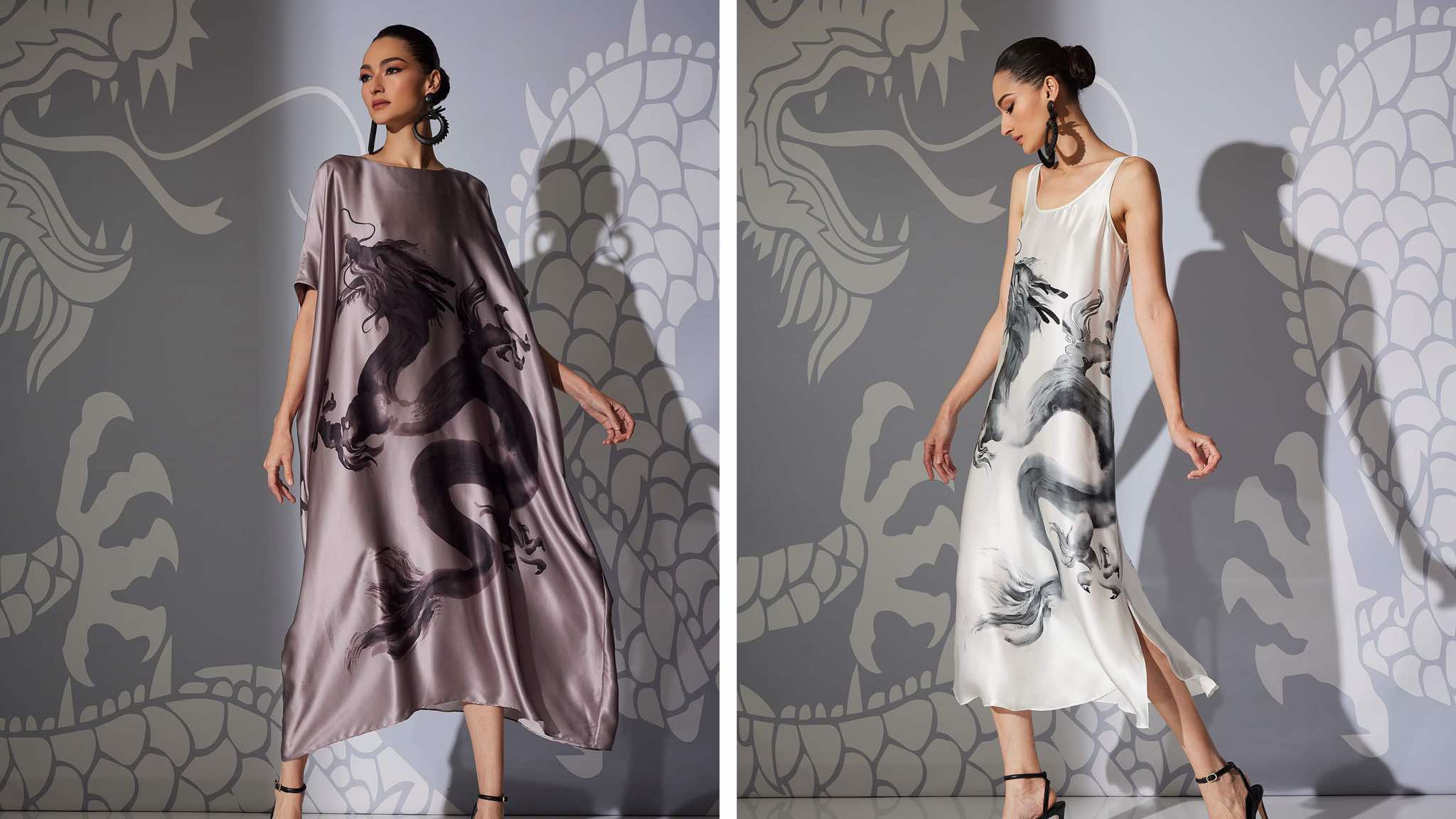
Josie Natori continues her East-meets-West story with her Fall-Winter 2024 collection. First showcased in February in New York, the ready-to-wear line reflects the steady growth of the brand’s evolution, blending signature prints and timeless silhouettes. For this season, the noted Filipino fashion designer centers her creations on the beauty and charm of the dragon, which, according to her, has long been associated with the Natori brand.

josie natori.jpg
Josie Natori

“The dragon is one of the iconic images of Natori,” Josie says. “It is a symbol of strength, power, and spirit. When you think of Natori, you think of the dragon.”

The inspiration for the collection stems from the brand’s 1984 campaign, dubbed the Natori State of Mind. It aimed to show how lingerie could transcend bedrooms and closets to take center stage in ready-to-wear. Fast forward four decades, and the lingerie that started it all has come full circle as the base layer in a complete collection that dresses from the inside out, day to night.

“Today’s woman is confident as well as beautiful, achieving a symmetry between sensuality and discretion, between public perceptions and private realities,” the designer muses.
467043606_468457229115154_6685726485311916754_n.jpg

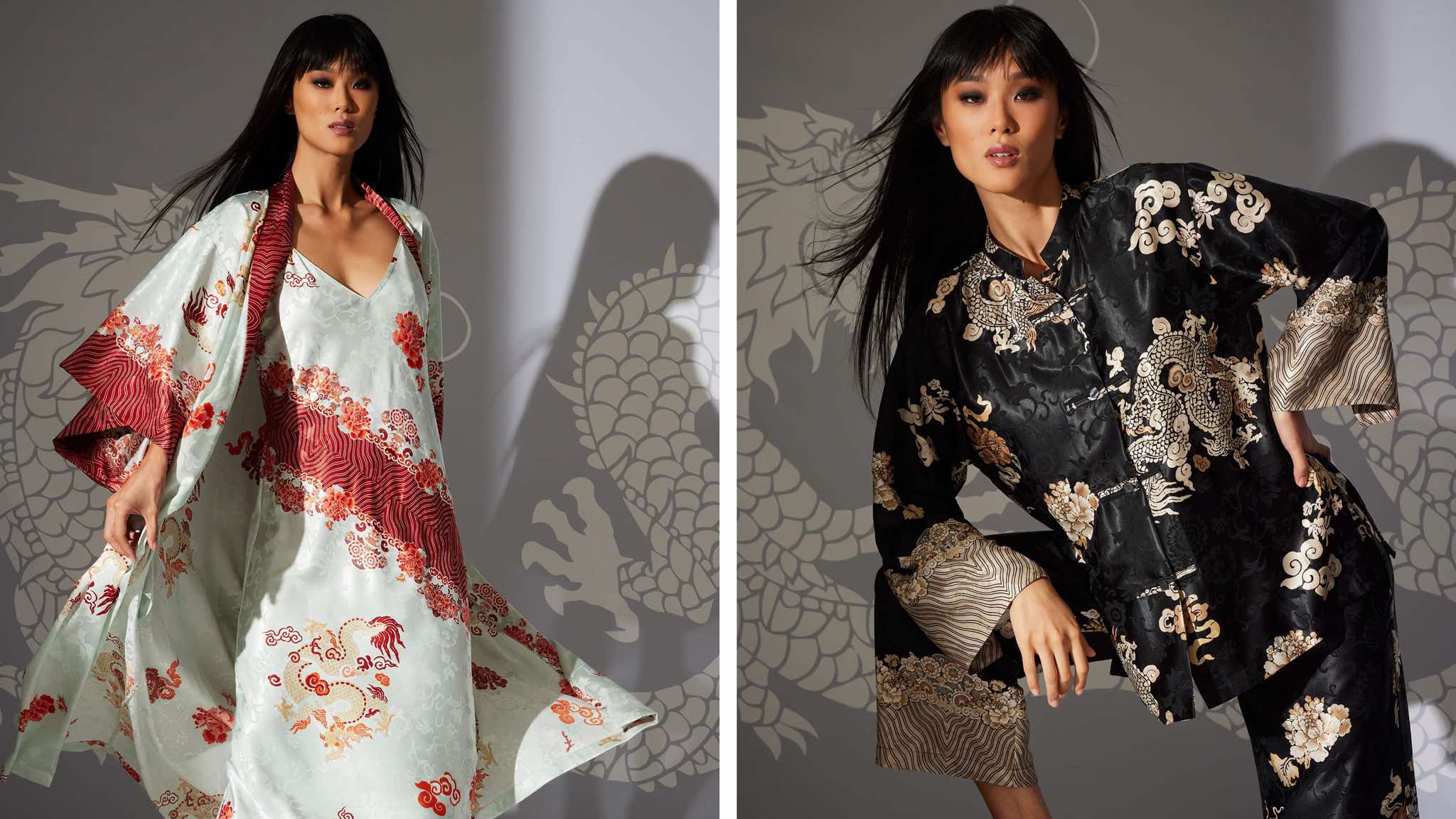
The Fall-Winter 2024 collection continues the initiative of building a core wardrobe, now with even more luxurious fabrics to layer into the mix. The collection has a universal appeal, offering a balance of versatile pieces suited to every climate. Fabrics include compact knit, double jersey, vegan luxe lambskin, faux mink, felt, wool, taffeta, crepe, and textured jacquard, with layering pieces made of jersey and silk charmeuse. Guipure laces and lace embroideries harken back to the original Natori collections, now with a wear-out sensibility.
467474739_1538091900174320_2943317413364308607_n.jpg

Key silhouettes for the season include bomber jackets, blazers, ponchos, and other outerwear essentials, predominantly with an artisan flair. The prints serve as accents, grounded by artisanal jacquards and textures that are synonymous with Natori. Apart from the dragon prints, the collection features cut-out motifs, embroidery, and appliques inspired by Natori’s expansive archive, with scrolls and paisleys. Dresses range in length and silhouette, with a focus on fluted hemlines. Colors range from neutral taupe, espresso, grey, sage, and, of course, black, to bolder bottle greens and brick reds. The collection embodies the brand’s commitment to staying true to its roots—a culmination of practicality and magic for decades to come.

“Every print is original. That’s our signature,” Josie says. “Our prints are very distinct. People collect our prints.”
467473952_1534829760545727_5848678073669165777_n.jpg

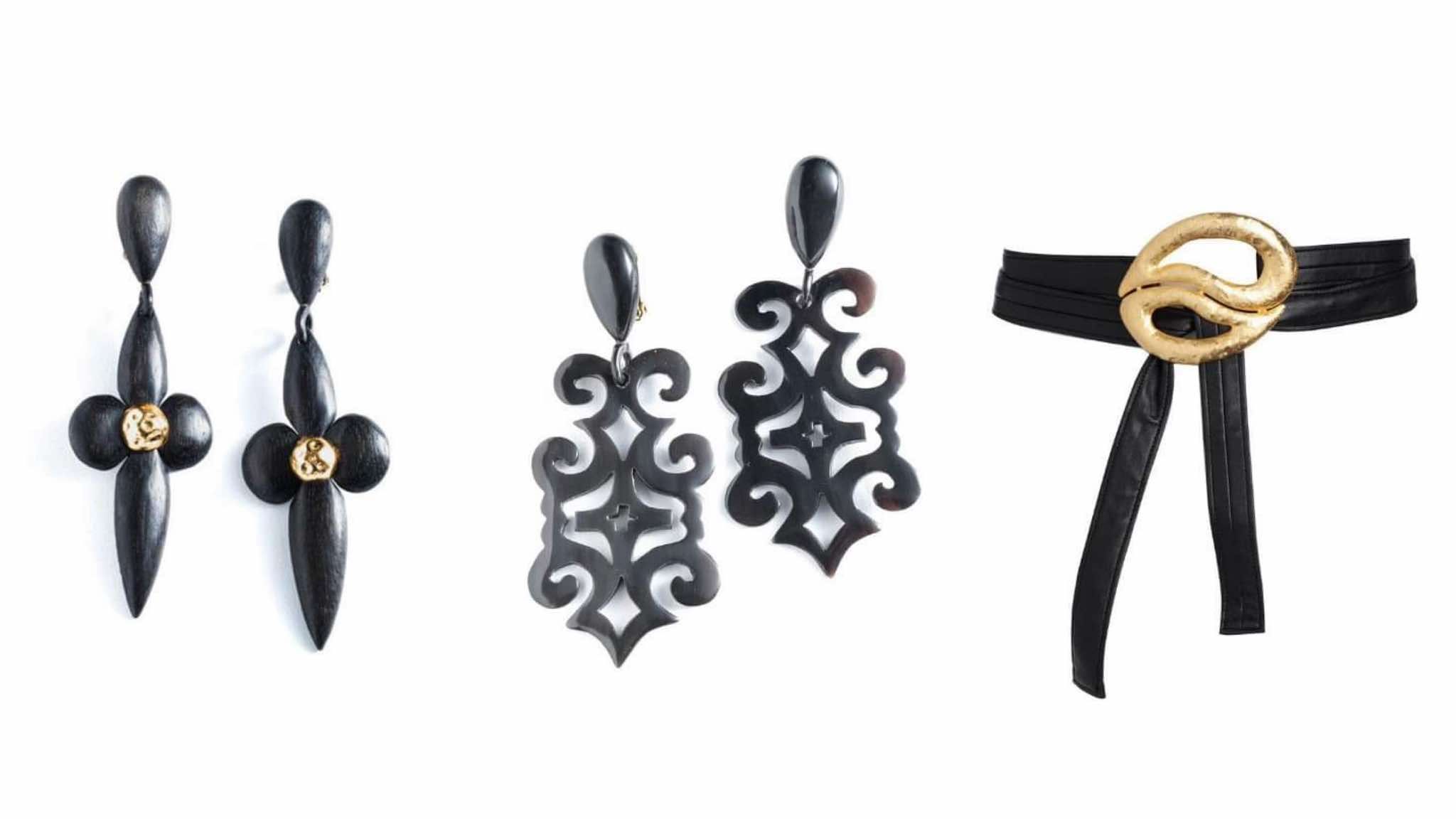
In addition to the ready-to-wear items, the Fall collection also spotlighted Josie’s newest accessories line, created in collaboration with designer Arnel Papa. Among the standout pieces are the Gold-Plated Brass Teardrop earrings and belt pendant, as well as jewelry made of buffalo horn and acacia wood.

To learn more about Natori’s fall-winter 2024 collection, visit @natori and @rustansph on Instagram.

ADVERTISEMENT
.most-popular .layout-ratio{ padding-bottom: 79.13%; } @media (min-width: 768px) and (max-width: 1024px) { .widget-title { font-size: 15px !important; } }

{{ articles_filter_1561_widget.title }}

.most-popular .layout-ratio{ padding-bottom: 79.13%; } @media (min-width: 768px) and (max-width: 1024px) { .widget-title { font-size: 15px !important; } }

{{ articles_filter_1562_widget.title }}

.most-popular .layout-ratio{ padding-bottom: 79.13%; } @media (min-width: 768px) and (max-width: 1024px) { .widget-title { font-size: 15px !important; } }

{{ articles_filter_1563_widget.title }}

{{ articles_filter_1564_widget.title }}

.mb-article-details { position: relative; } .mb-article-details .article-body-preview, .mb-article-details .article-body-summary{ font-size: 17px; line-height: 30px; font-family: "Libre Caslon Text", serif; color: #000; } .mb-article-details .article-body-preview iframe , .mb-article-details .article-body-summary iframe{ width: 100%; margin: auto; } .read-more-background { background: linear-gradient(180deg, color(display-p3 1.000 1.000 1.000 / 0) 13.75%, color(display-p3 1.000 1.000 1.000 / 0.8) 30.79%, color(display-p3 1.000 1.000 1.000) 72.5%); position: absolute; height: 200px; width: 100%; bottom: 0; display: flex; justify-content: center; align-items: center; padding: 0; } .read-more-background a{ color: #000; } .read-more-btn { padding: 17px 45px; font-family: Inter; font-weight: 700; font-size: 18px; line-height: 16px; text-align: center; vertical-align: middle; border: 1px solid black; background-color: white; } .hidden { display: none; }
function initializeAllSwipers() { // Get all hidden inputs with cms_article_id document.querySelectorAll('[id^="cms_article_id_"]').forEach(function (input) { const cmsArticleId = input.value; const articleSelector = '#article-' + cmsArticleId + ' .body_images'; const swiperElement = document.querySelector(articleSelector); if (swiperElement && !swiperElement.classList.contains('swiper-initialized')) { new Swiper(articleSelector, { loop: true, pagination: false, navigation: { nextEl: '#article-' + cmsArticleId + ' .swiper-button-next', prevEl: '#article-' + cmsArticleId + ' .swiper-button-prev', }, }); } }); } setTimeout(initializeAllSwipers, 3000); const intersectionObserver = new IntersectionObserver( (entries) => { entries.forEach((entry) => { if (entry.isIntersecting) { const newUrl = entry.target.getAttribute("data-url"); if (newUrl) { history.pushState(null, null, newUrl); let article = entry.target; // Extract metadata const author = article.querySelector('.author-section').textContent.replace('By', '').trim(); const section = article.querySelector('.section-info ').textContent.replace(' ', ' '); const title = article.querySelector('.article-title h1').textContent; // Parse URL for Chartbeat path format const parsedUrl = new URL(newUrl, window.location.origin); const cleanUrl = parsedUrl.host + parsedUrl.pathname; // Update Chartbeat configuration if (typeof window._sf_async_config !== 'undefined') { window._sf_async_config.path = cleanUrl; window._sf_async_config.sections = section; window._sf_async_config.authors = author; } // Track virtual page view with Chartbeat if (typeof pSUPERFLY !== 'undefined' && typeof pSUPERFLY.virtualPage === 'function') { try { pSUPERFLY.virtualPage({ path: cleanUrl, title: title, sections: section, authors: author }); } catch (error) { console.error('ping error', error); } } // Optional: Update document title if (title && title !== document.title) { document.title = title; } } } }); }, { threshold: 0.1 } ); function showArticleBody(button) { const article = button.closest("article"); const summary = article.querySelector(".article-body-summary"); const body = article.querySelector(".article-body-preview"); const readMoreSection = article.querySelector(".read-more-background"); // Hide summary and read-more section summary.style.display = "none"; readMoreSection.style.display = "none"; // Show the full article body body.classList.remove("hidden"); } document.addEventListener("DOMContentLoaded", () => { let loadCount = 0; // Track how many times articles are loaded const offset = [1, 2, 3, 4, 5, 6, 7, 8, 9, 10]; // Offset values const currentUrl = window.location.pathname.substring(1); let isLoading = false; // Prevent multiple calls if (!currentUrl) { console.log("Current URL is invalid."); return; } const sentinel = document.getElementById("load-more-sentinel"); if (!sentinel) { console.log("Sentinel element not found."); return; } function isSentinelVisible() { const rect = sentinel.getBoundingClientRect(); return ( rect.top < window.innerHeight && rect.bottom >= 0 ); } function onScroll() { if (isLoading) return; if (isSentinelVisible()) { if (loadCount >= offset.length) { console.log("Maximum load attempts reached."); window.removeEventListener("scroll", onScroll); return; } isLoading = true; const currentOffset = offset[loadCount]; window.loadMoreItems().then(() => { let article = document.querySelector('#widget_1690 > div:nth-last-of-type(2) article'); intersectionObserver.observe(article) loadCount++; }).catch(error => { console.error("Error loading more items:", error); }).finally(() => { isLoading = false; }); } } window.addEventListener("scroll", onScroll); });

Sign up by email to receive news.