ADVERTISEMENT

Japan's sake brewers hope UNESCO heritage listing can boost rice wine's appeal

Published Nov 14, 2024 01:34 pm
AP24319378083363.jpg
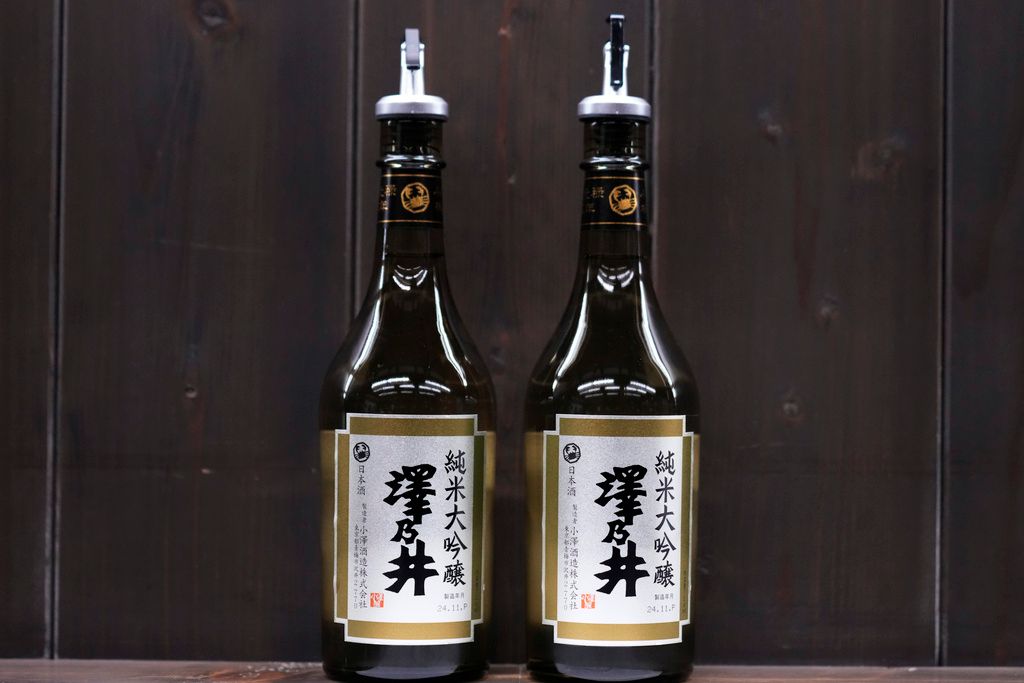
Bottles of Sawanoi, a Japanese sake brand by Ozawa Sake Brewery, are prepared for tasting at a room during a media tour at the brewery in Ome, on the western outskirts of Tokyo, Japan, Wednesday, Nov. 13, 2024. (AP Photo/Hiro Komae)

OME, Japan (AP) — Deep in a dark warehouse the sake sleeps, stored in rows of giant tanks, each holding more than 10,000 liters (2,640 gallons) of the Japanese rice wine that is the product of brewing techniques dating back more than 1,000 years.

Junichiro Ozawa, the 18th-generation head of Ozawa Brewery, founded in 1702, hopes sake-brewing will win recognition as a UNESCO Intangible Cultural Heritage, when the decision is made next month.

“We always think about the people who’re enjoying our sake when we make it. I’m now so excited, imagining the faces of all the people around the world,” he told reporters Wednesday during a tour of his brewery on the pastoral outskirts of Tokyo.

Sake, the drink of choice for the nobility in “The Tale of Genji” — Japan's most celebrated work of literature — has been widening its appeal, boosted by the growing international popularity of Japanese cuisine.

Sake exports from Japan total more than 41 billion yen ($265 million) a year, with the biggest destinations being the U.S. and China, according to the Japan Sake and Shochu Makers Association.

That’s up from about 22 billion yen in 2018. But exports still make up a tiny fraction of overall sake production in Japan. Brazil, Mexico and Southeast Asia, as well as France and the rest of Europe, all places where Japanese restaurants are gaining popularity, are starting to take a liking to sake.

What’s key to sake-making, which takes about two months, including fermentation and pressing, are the rice and the water.

For a product to be categorized Japanese sake, the rice must be Japanese. The relatively soft quality of freshwater in Japan, like the supplies provided by the two wells at Ozawa Brewery, is also critical.

Among Ozawa’s sake is the full-bodied aromatic Junmai Daiginjo, one of the top offerings, with 15% alcohol content and costing about 3,630 yen ($23) for a 720 milliliter bottle.

Karakuti Nigorizake is unrefined sake, murky and not clear like usual sake, with 17% alcohol content and a rugged no-nonsense taste. It sells for 2,420 yen ($16) for a 1,800 milliliter bottle.

The religious connotations of sake are evident at the brewery. The big cedar-leaves ball hanging under the eaves is a symbol of a shrine for the god of sake-making. In Japan, sake is used to purify and to celebrate. Sips from a cup signify the sealing of a marriage.

“Sake is not just an alcoholic beverage. It is Japanese culture itself,” said Hitoshi Utsunomiya, director of the Japan Sake and Shochu Makers Association.

The UNESCO Intangible Cultural Heritage designation is given to not just historical monuments but also practices passed down generations, such as oral traditions, performing arts, rituals and festivals.

It’s not meant to be used for commercial purposes. But sake officials make no secret of their hope that it will boost global sales, helping the tradition stay alive amid competition from beer, wine and other modern beverages.

Among previous Intangible Cultural Heritage inclusions are Kabuki theater and Gagaku court music from Japan, as well as Sona, which are drawings on sand in Angola; the Chinese zither called guqin and Cremonese violin craftsmanship from Italy. Washoku, or Japanese cuisine, won the honors in 2013.

One reason for sake’s growing popularity around the world is that its smooth flavor goes well with varieties of food, including sushi, spicy Asian and Western dishes, says Max Del Vita, a certified sake sommelier and co-founder of The Sake Company, an import and distribution retailer in Singapore.

“These brewers are cultural stewards, passing down techniques through generations and blending ancient practices with quiet innovation,” he told The Associated Press. “Sake is more than a drink. It is a living embodiment of Japan’s seasonal rhythms, community values and artistic heritage.”

Related Tags

WORLDNEWS
ADVERTISEMENT
.most-popular .layout-ratio{ padding-bottom: 79.13%; } @media (min-width: 768px) and (max-width: 1024px) { .widget-title { font-size: 15px !important; } }

{{ articles_filter_1561_widget.title }}

.most-popular .layout-ratio{ padding-bottom: 79.13%; } @media (min-width: 768px) and (max-width: 1024px) { .widget-title { font-size: 15px !important; } }

{{ articles_filter_1562_widget.title }}

.most-popular .layout-ratio{ padding-bottom: 79.13%; } @media (min-width: 768px) and (max-width: 1024px) { .widget-title { font-size: 15px !important; } }

{{ articles_filter_1563_widget.title }}

{{ articles_filter_1564_widget.title }}

.mb-article-details { position: relative; } .mb-article-details .article-body-preview, .mb-article-details .article-body-summary{ font-size: 17px; line-height: 30px; font-family: "Libre Caslon Text", serif; color: #000; } .mb-article-details .article-body-preview iframe , .mb-article-details .article-body-summary iframe{ width: 100%; margin: auto; } .read-more-background { background: linear-gradient(180deg, color(display-p3 1.000 1.000 1.000 / 0) 13.75%, color(display-p3 1.000 1.000 1.000 / 0.8) 30.79%, color(display-p3 1.000 1.000 1.000) 72.5%); position: absolute; height: 200px; width: 100%; bottom: 0; display: flex; justify-content: center; align-items: center; padding: 0; } .read-more-background a{ color: #000; } .read-more-btn { padding: 17px 45px; font-family: Inter; font-weight: 700; font-size: 18px; line-height: 16px; text-align: center; vertical-align: middle; border: 1px solid black; background-color: white; } .hidden { display: none; }
function initializeAllSwipers() { // Get all hidden inputs with cms_article_id document.querySelectorAll('[id^="cms_article_id_"]').forEach(function (input) { const cmsArticleId = input.value; const articleSelector = '#article-' + cmsArticleId + ' .body_images'; const swiperElement = document.querySelector(articleSelector); if (swiperElement && !swiperElement.classList.contains('swiper-initialized')) { new Swiper(articleSelector, { loop: true, pagination: false, navigation: { nextEl: '#article-' + cmsArticleId + ' .swiper-button-next', prevEl: '#article-' + cmsArticleId + ' .swiper-button-prev', }, }); } }); } setTimeout(initializeAllSwipers, 3000); const intersectionObserver = new IntersectionObserver( (entries) => { entries.forEach((entry) => { if (entry.isIntersecting) { const newUrl = entry.target.getAttribute("data-url"); if (newUrl) { history.pushState(null, null, newUrl); let article = entry.target; // Extract metadata const author = article.querySelector('.author-section').textContent.replace('By', '').trim(); const section = article.querySelector('.section-info ').textContent.replace(' ', ' '); const title = article.querySelector('.article-title h1').textContent; // Parse URL for Chartbeat path format const parsedUrl = new URL(newUrl, window.location.origin); const cleanUrl = parsedUrl.host + parsedUrl.pathname; // Update Chartbeat configuration if (typeof window._sf_async_config !== 'undefined') { window._sf_async_config.path = cleanUrl; window._sf_async_config.sections = section; window._sf_async_config.authors = author; } // Track virtual page view with Chartbeat if (typeof pSUPERFLY !== 'undefined' && typeof pSUPERFLY.virtualPage === 'function') { try { pSUPERFLY.virtualPage({ path: cleanUrl, title: title, sections: section, authors: author }); } catch (error) { console.error('ping error', error); } } // Optional: Update document title if (title && title !== document.title) { document.title = title; } } } }); }, { threshold: 0.1 } ); function showArticleBody(button) { const article = button.closest("article"); const summary = article.querySelector(".article-body-summary"); const body = article.querySelector(".article-body-preview"); const readMoreSection = article.querySelector(".read-more-background"); // Hide summary and read-more section summary.style.display = "none"; readMoreSection.style.display = "none"; // Show the full article body body.classList.remove("hidden"); } document.addEventListener("DOMContentLoaded", () => { let loadCount = 0; // Track how many times articles are loaded const offset = [1, 2, 3, 4, 5, 6, 7, 8, 9, 10]; // Offset values const currentUrl = window.location.pathname.substring(1); let isLoading = false; // Prevent multiple calls if (!currentUrl) { console.log("Current URL is invalid."); return; } const sentinel = document.getElementById("load-more-sentinel"); if (!sentinel) { console.log("Sentinel element not found."); return; } function isSentinelVisible() { const rect = sentinel.getBoundingClientRect(); return ( rect.top < window.innerHeight && rect.bottom >= 0 ); } function onScroll() { if (isLoading) return; if (isSentinelVisible()) { if (loadCount >= offset.length) { console.log("Maximum load attempts reached."); window.removeEventListener("scroll", onScroll); return; } isLoading = true; const currentOffset = offset[loadCount]; window.loadMoreItems().then(() => { let article = document.querySelector('#widget_1690 > div:nth-last-of-type(2) article'); intersectionObserver.observe(article) loadCount++; }).catch(error => { console.error("Error loading more items:", error); }).finally(() => { isLoading = false; }); } } window.addEventListener("scroll", onScroll); });

Sign up by email to receive news.