

ADVERTISEMENT

Solving the last mile challenge: Unconnected.org brings Internet to the unserved

Published Nov 13, 2024 06:31 pm

Imagine that your school is among the many located in a remote rural village in the Philippines. Your students need internet, but your area is “unserved.” This means that there are NO telco facilities and no internet connection.

There were two usual ways to get internet to your village. You can have fiber laid out to your community, or use Wireless radio. However, your village/community can’t afford to pay for dedicated fiber to connect your village to the nearest internet hub. It is also blocked by mountains so there is no clear line of sight for radio links. What can you do on a tight budget? You contact Unconnected.org! Cabulisan Elementary School did just that.
 

WI.png
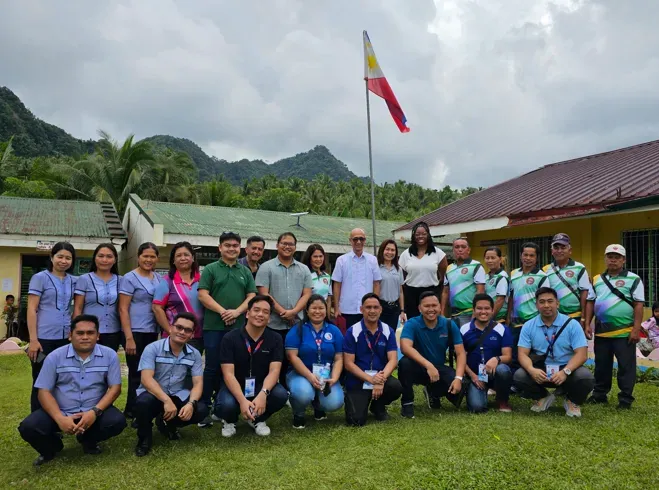
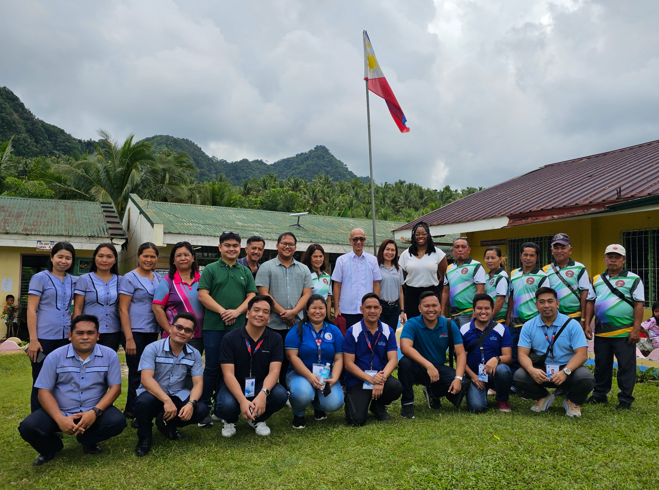
Photo: unconnected.org, USAID BEACON, DICT and Faculty of Cabulisan Elementary School, and Brgy Officials, at Inopacan, Leyte during the activation of community network last August 2024

Unconnected.org is a visionary non-profit organization that is in partnership with Microsoft Airband. Their mission is to connect 1 million Filipinos by 2025. This initiative will transform education and community connectivity in some of the country’s most isolated areas.

Bridging the Digital Divide for Rural Schools and Communities

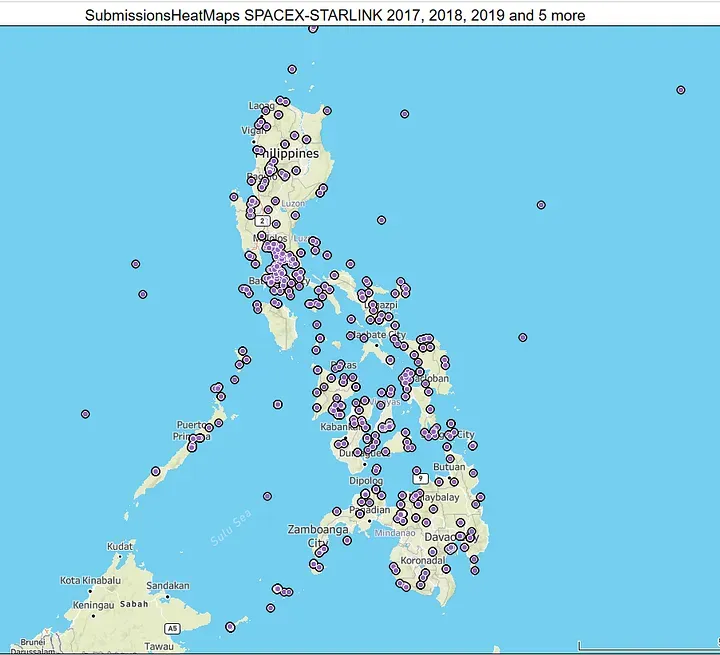
Unconnected.org works by providing a 3rd way — using Low Earth orbit Satellite internet. They partner with local internet service providers (ISPs) to build community networks using low-earth orbit (LEO) satellite technology. (Aka: Starlinks)
 

WI2.png
Most recent data on Starlink deployments submitted by ProjectBASS.org volunteers


This cutting-edge model offers FREE internet access to schools, empowering them to bridge the education gap in underserved regions, while enabling ISPs to offer affordable internet to surrounding communities.

Unconnected.org eliminates the need for high startup capital. This lowers the barriers for smaller ISPs, allowing them to sustainably reach more remote areas.

Prioritizing Schools for a Strong Foundation in Connectivity

Recognizing the critical role of education, Unconnected.org prioritizes schools in its connectivity program. This foundational access to digital resources opens up new possibilities for students and teachers alike, preparing young learners for a connected future while supporting educators with vital digital tools. Through strategic partnerships, Unconnected.org ensures that schools are well-equipped to lead their communities toward digital empowerment.

Engaging ISPs and Community Stakeholders for Lasting Impact

To drive local change, Unconnected.org partners with ISPs, cable operators, and other technology providers to serve regions lacking fiber infrastructure or financial capacity for traditional connectivity solutions. By leveraging strong relationships with satellite operators and network providers, Unconnected.org brings preferential deals and global expertise to local communities, offering access to reliable, education-grade internet solutions.

Become a Partner in Connectivity

Schools, ISPs, and companies looking to make a difference in the Philippines have a unique opportunity to support this program. By partnering with Unconnected.org, schools gain free internet access, ISPs expand their reach, and companies explore impactful CSR initiatives — all contributing to the transformation of remote communities.

Take the Next Step: Connect with Unconnected.org

Be part of this cause. Reach out today at [email protected]. Build an internet-enabled future that empowers students, educators, and entire communities with the tools they need for growth, learning, and resilience.

ADVERTISEMENT
.most-popular .layout-ratio{ padding-bottom: 79.13%; } @media (min-width: 768px) and (max-width: 1024px) { .widget-title { font-size: 15px !important; } }

{{ articles_filter_1561_widget.title }}

.most-popular .layout-ratio{ padding-bottom: 79.13%; } @media (min-width: 768px) and (max-width: 1024px) { .widget-title { font-size: 15px !important; } }

{{ articles_filter_1562_widget.title }}

.most-popular .layout-ratio{ padding-bottom: 79.13%; } @media (min-width: 768px) and (max-width: 1024px) { .widget-title { font-size: 15px !important; } }

{{ articles_filter_1563_widget.title }}

{{ articles_filter_1564_widget.title }}

.mb-article-details { position: relative; } .mb-article-details .article-body-preview, .mb-article-details .article-body-summary{ font-size: 17px; line-height: 30px; font-family: "Libre Caslon Text", serif; color: #000; } .mb-article-details .article-body-preview iframe , .mb-article-details .article-body-summary iframe{ width: 100%; margin: auto; } .read-more-background { background: linear-gradient(180deg, color(display-p3 1.000 1.000 1.000 / 0) 13.75%, color(display-p3 1.000 1.000 1.000 / 0.8) 30.79%, color(display-p3 1.000 1.000 1.000) 72.5%); position: absolute; height: 200px; width: 100%; bottom: 0; display: flex; justify-content: center; align-items: center; padding: 0; } .read-more-background a{ color: #000; } .read-more-btn { padding: 17px 45px; font-family: Inter; font-weight: 700; font-size: 18px; line-height: 16px; text-align: center; vertical-align: middle; border: 1px solid black; background-color: white; } .hidden { display: none; }
function initializeAllSwipers() { // Get all hidden inputs with cms_article_id document.querySelectorAll('[id^="cms_article_id_"]').forEach(function (input) { const cmsArticleId = input.value; const articleSelector = '#article-' + cmsArticleId + ' .body_images'; const swiperElement = document.querySelector(articleSelector); if (swiperElement && !swiperElement.classList.contains('swiper-initialized')) { new Swiper(articleSelector, { loop: true, pagination: false, navigation: { nextEl: '#article-' + cmsArticleId + ' .swiper-button-next', prevEl: '#article-' + cmsArticleId + ' .swiper-button-prev', }, }); } }); } setTimeout(initializeAllSwipers, 3000); const intersectionObserver = new IntersectionObserver( (entries) => { entries.forEach((entry) => { if (entry.isIntersecting) { const newUrl = entry.target.getAttribute("data-url"); if (newUrl) { history.pushState(null, null, newUrl); let article = entry.target; // Extract metadata const author = article.querySelector('.author-section').textContent.replace('By', '').trim(); const section = article.querySelector('.section-info ').textContent.replace(' ', ' '); const title = article.querySelector('.article-title h1').textContent; // Parse URL for Chartbeat path format const parsedUrl = new URL(newUrl, window.location.origin); const cleanUrl = parsedUrl.host + parsedUrl.pathname; // Update Chartbeat configuration if (typeof window._sf_async_config !== 'undefined') { window._sf_async_config.path = cleanUrl; window._sf_async_config.sections = section; window._sf_async_config.authors = author; } // Track virtual page view with Chartbeat if (typeof pSUPERFLY !== 'undefined' && typeof pSUPERFLY.virtualPage === 'function') { try { pSUPERFLY.virtualPage({ path: cleanUrl, title: title, sections: section, authors: author }); } catch (error) { console.error('ping error', error); } } // Optional: Update document title if (title && title !== document.title) { document.title = title; } } } }); }, { threshold: 0.1 } ); function showArticleBody(button) { const article = button.closest("article"); const summary = article.querySelector(".article-body-summary"); const body = article.querySelector(".article-body-preview"); const readMoreSection = article.querySelector(".read-more-background"); // Hide summary and read-more section summary.style.display = "none"; readMoreSection.style.display = "none"; // Show the full article body body.classList.remove("hidden"); } document.addEventListener("DOMContentLoaded", () => { let loadCount = 0; // Track how many times articles are loaded const offset = [1, 2, 3, 4, 5, 6, 7, 8, 9, 10]; // Offset values const currentUrl = window.location.pathname.substring(1); let isLoading = false; // Prevent multiple calls if (!currentUrl) { console.log("Current URL is invalid."); return; } const sentinel = document.getElementById("load-more-sentinel"); if (!sentinel) { console.log("Sentinel element not found."); return; } function isSentinelVisible() { const rect = sentinel.getBoundingClientRect(); return ( rect.top < window.innerHeight && rect.bottom >= 0 ); } function onScroll() { if (isLoading) return; if (isSentinelVisible()) { if (loadCount >= offset.length) { console.log("Maximum load attempts reached."); window.removeEventListener("scroll", onScroll); return; } isLoading = true; const currentOffset = offset[loadCount]; window.loadMoreItems().then(() => { let article = document.querySelector('#widget_1690 > div:nth-last-of-type(2) article'); intersectionObserver.observe(article) loadCount++; }).catch(error => { console.error("Error loading more items:", error); }).finally(() => { isLoading = false; }); } } window.addEventListener("scroll", onScroll); });

Sign up by email to receive news.