

ADVERTISEMENT

Unlocking the skin's potential

Nanofat transfer explained

Published Nov 11, 2024 07:07 am

At A Glance

  • Nanofat contains a rich concentration of stem cells known for promoting tissue regeneration and skin rejuvenation.
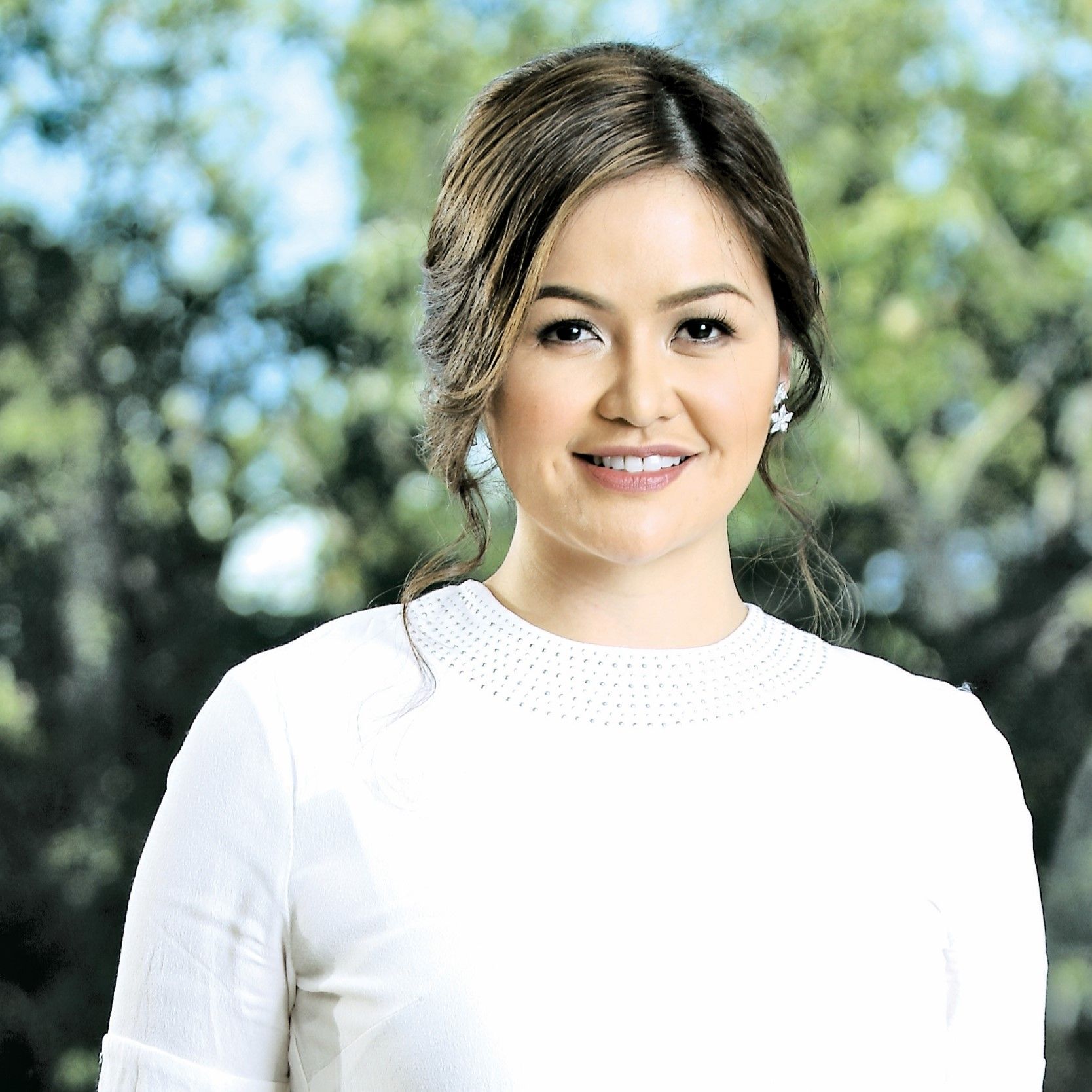
IMG_4163.JPG

Nanofat transfer is a minimally invasive procedure that involves transferring fat from one part of the body to another, specifically targeting areas needing rejuvenation. Unlike traditional fat grafting, nanofat undergoes a special processing method, transforming it into a rich concentrate of stem cells and growth factors—vital components for skin renewal.


The process begins with a simple fat extraction. Surgeons typically harvest the fat from areas with some to spare, such as the abdomen, thighs, or hips. This is performed under local anesthesia, ensuring a painless experience for the patient.


Once the fat is harvested, it is meticulously processed to create nanofat—ultra-fine fat particles teeming with regenerative properties. This specialized blend is then carefully injected into the target areas, usually around the face, neck, and hands.


Nanofat contains a rich concentration of stem cells known for promoting tissue regeneration and skin rejuvenation. Unlike macrofat and microfat, which contain intact fat cells primarily for volumization, nanofat — with its finer particles — focuses on regeneration without intact fat cells. This key difference provides a more nuanced approach to skin care, offering not just volumization but also improvements in skin quality, texture, and tone.


The secret to nanofat's effectiveness lies in its exceptional stromal vascular fraction (SVF) content, including mesenchymal stem cells. These powerful cells can secrete growth factors that boost collagen production, enhance skin elasticity, and promote overall skin health. Moreover, nanofat is derived from the patient’s own fat, minimizing the risk of allergic reactions and complications, a common concern with synthetic fillers.

Nanofat transfer uses the smallest diameter cannula, allowing practitioners to lay down fat cells in minute, aliquot amounts. This meticulous process maximizes cell viability and reduces the chances of clumping, often seen in traditional fat grafting techniques. Classic fat grafting tends to focus on deeper volumization, but nanofat's approach is more subtle, aiming for a natural, enhanced look.


While traditional facelifts address gravitational sagging, they may not replace lost fat and softer tissue like nanofat can. This makes nanofat especially suitable for areas such as the under-eyes, cheeks, nasolabial folds, marionette lines, hands, neck, and chest. The procedure offers immediate volumization and lasting results while emphasizing regenerative benefits.

For individuals in the Philippines, the shift towards using nanofat over traditional fillers is gaining traction due to its holistic and natural appeal. This procedure also reflects a broader movement in the beauty industry towards treatments that not only enhance appearance but also improve skin health intrinsically.


In summation, nanofat transfer presents a compelling case for those considering cosmetic enhancements. Its dual role in volumization and regeneration, combined with its autologous nature, makes it a standout choice for anyone looking to embrace beauty solutions that align with the body's natural processes. As the beauty landscape evolves in the Philippines, nanofat may well hold the key to achieving natural, rejuvenated skin in the most gentle and effective manner possible.


Related Tags

Dr. Kaycee Reyes Lifestyle Health and Wellbeing
ADVERTISEMENT
.most-popular .layout-ratio{ padding-bottom: 79.13%; } @media (min-width: 768px) and (max-width: 1024px) { .widget-title { font-size: 15px !important; } }

{{ articles_filter_1561_widget.title }}

.most-popular .layout-ratio{ padding-bottom: 79.13%; } @media (min-width: 768px) and (max-width: 1024px) { .widget-title { font-size: 15px !important; } }

{{ articles_filter_1562_widget.title }}

.most-popular .layout-ratio{ padding-bottom: 79.13%; } @media (min-width: 768px) and (max-width: 1024px) { .widget-title { font-size: 15px !important; } }

{{ articles_filter_1563_widget.title }}

{{ articles_filter_1564_widget.title }}

.mb-article-details { position: relative; } .mb-article-details .article-body-preview, .mb-article-details .article-body-summary{ font-size: 17px; line-height: 30px; font-family: "Libre Caslon Text", serif; color: #000; } .mb-article-details .article-body-preview iframe , .mb-article-details .article-body-summary iframe{ width: 100%; margin: auto; } .read-more-background { background: linear-gradient(180deg, color(display-p3 1.000 1.000 1.000 / 0) 13.75%, color(display-p3 1.000 1.000 1.000 / 0.8) 30.79%, color(display-p3 1.000 1.000 1.000) 72.5%); position: absolute; height: 200px; width: 100%; bottom: 0; display: flex; justify-content: center; align-items: center; padding: 0; } .read-more-background a{ color: #000; } .read-more-btn { padding: 17px 45px; font-family: Inter; font-weight: 700; font-size: 18px; line-height: 16px; text-align: center; vertical-align: middle; border: 1px solid black; background-color: white; } .hidden { display: none; }
function initializeAllSwipers() { // Get all hidden inputs with cms_article_id document.querySelectorAll('[id^="cms_article_id_"]').forEach(function (input) { const cmsArticleId = input.value; const articleSelector = '#article-' + cmsArticleId + ' .body_images'; const swiperElement = document.querySelector(articleSelector); if (swiperElement && !swiperElement.classList.contains('swiper-initialized')) { new Swiper(articleSelector, { loop: true, pagination: false, navigation: { nextEl: '#article-' + cmsArticleId + ' .swiper-button-next', prevEl: '#article-' + cmsArticleId + ' .swiper-button-prev', }, }); } }); } setTimeout(initializeAllSwipers, 3000); const intersectionObserver = new IntersectionObserver( (entries) => { entries.forEach((entry) => { if (entry.isIntersecting) { const newUrl = entry.target.getAttribute("data-url"); if (newUrl) { history.pushState(null, null, newUrl); let article = entry.target; // Extract metadata const author = article.querySelector('.author-section').textContent.replace('By', '').trim(); const section = article.querySelector('.section-info ').textContent.replace(' ', ' '); const title = article.querySelector('.article-title h1').textContent; // Parse URL for Chartbeat path format const parsedUrl = new URL(newUrl, window.location.origin); const cleanUrl = parsedUrl.host + parsedUrl.pathname; // Update Chartbeat configuration if (typeof window._sf_async_config !== 'undefined') { window._sf_async_config.path = cleanUrl; window._sf_async_config.sections = section; window._sf_async_config.authors = author; } // Track virtual page view with Chartbeat if (typeof pSUPERFLY !== 'undefined' && typeof pSUPERFLY.virtualPage === 'function') { try { pSUPERFLY.virtualPage({ path: cleanUrl, title: title, sections: section, authors: author }); } catch (error) { console.error('ping error', error); } } // Optional: Update document title if (title && title !== document.title) { document.title = title; } } } }); }, { threshold: 0.1 } ); function showArticleBody(button) { const article = button.closest("article"); const summary = article.querySelector(".article-body-summary"); const body = article.querySelector(".article-body-preview"); const readMoreSection = article.querySelector(".read-more-background"); // Hide summary and read-more section summary.style.display = "none"; readMoreSection.style.display = "none"; // Show the full article body body.classList.remove("hidden"); } document.addEventListener("DOMContentLoaded", () => { let loadCount = 0; // Track how many times articles are loaded const offset = [1, 2, 3, 4, 5, 6, 7, 8, 9, 10]; // Offset values const currentUrl = window.location.pathname.substring(1); let isLoading = false; // Prevent multiple calls if (!currentUrl) { console.log("Current URL is invalid."); return; } const sentinel = document.getElementById("load-more-sentinel"); if (!sentinel) { console.log("Sentinel element not found."); return; } function isSentinelVisible() { const rect = sentinel.getBoundingClientRect(); return ( rect.top < window.innerHeight && rect.bottom >= 0 ); } function onScroll() { if (isLoading) return; if (isSentinelVisible()) { if (loadCount >= offset.length) { console.log("Maximum load attempts reached."); window.removeEventListener("scroll", onScroll); return; } isLoading = true; const currentOffset = offset[loadCount]; window.loadMoreItems().then(() => { let article = document.querySelector('#widget_1690 > div:nth-last-of-type(2) article'); intersectionObserver.observe(article) loadCount++; }).catch(error => { console.error("Error loading more items:", error); }).finally(() => { isLoading = false; }); } } window.addEventListener("scroll", onScroll); });

Sign up by email to receive news.