

ADVERTISEMENT

More sisig, anyone?

Angeles City hailed as Best Emerging Culinary Destination in Asia

Published Oct 8, 2024 07:24 am

At A Glance

  • This award is a testament to the collective hard work and passion of the people of Angeles City and the province of Pampanga in safeguarding and celebrating their unique culinary heritage. – DOT Sec. Cristina Frasco
unnamed.jpg
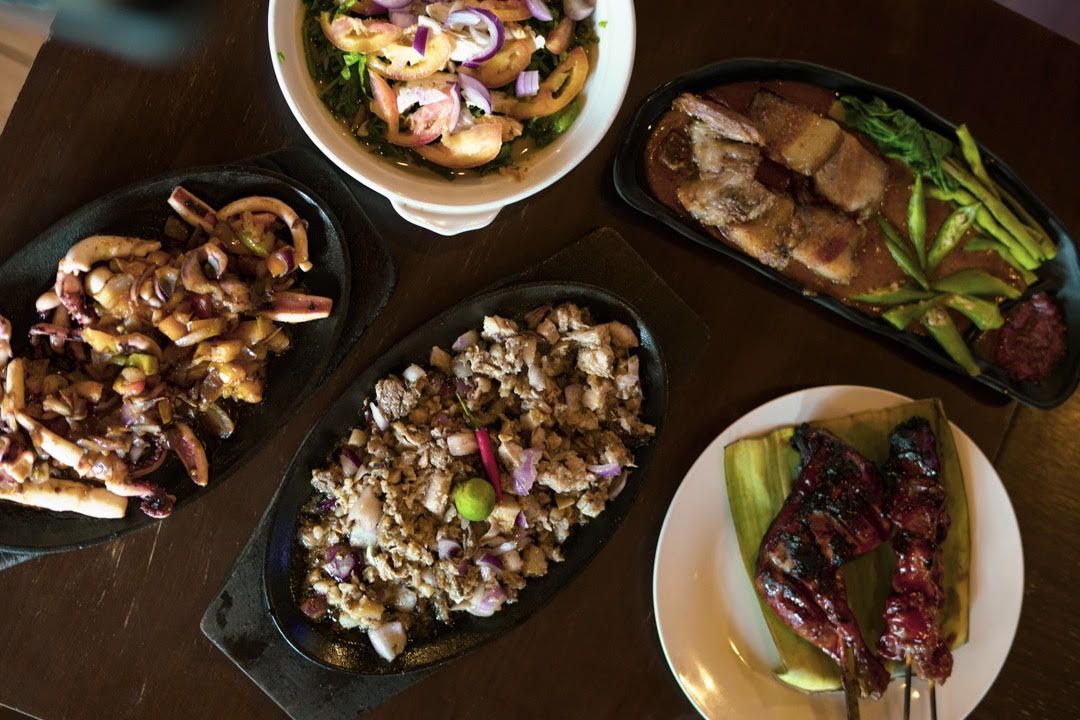
A CULINARY STAPLE Angeles City's iconic sisig dish and the diverse culinary scene of Angeles City shows how Pampanga has garnered the world's attention as a culinary hub

When people think of sisig, it’s almost impossible not to think of Angeles City in Pampanga. Of course, we also equate Angeles City for other iconic dishes like tokwa’t baboy, bibingka, and numerous street dishes to name a few. There’s no denying that it truly deserves its latest recognition as the Best Emerging Culinary Destination in Asia.


Presented during the World Culinary Awards Gala Ceremony in Dubai, UAE, DOT Secretary Cristina Frasco accepted the award and gave praises for the accolade. “This prestigious recognition of Angeles City as Asia's Best Emerging Culinary City Destination underscores the exceptional talent, creativity, and dedication of its local chefs and food artisans. The city’s rich culinary heritage, led by its iconic dishes like sisig, continues to captivate food enthusiasts not only in the Philippines but across the world, showcasing the power of Filipino cuisine on the global stage,” shares Frasco. “This award is a testament to the collective hard work and passion of the people of Angeles City and the province of Pampanga in safeguarding and celebrating their unique culinary heritage.”


What speaks true levels is how to receive such recognition, Angeles City competed against other renowned food destinations in Asia like Hanoi, Vietnam; Kuala Lumpur, Malaysia; Taipei, Taiwan; and Kyoto, Japan. Truly, the award is a testament to the robust food tourism initiatives of DOT, including the DOT Region 3's Food Talks, the First International Conference on Kapampangan Cuisine & Food Tourism, the HARP Cook-Off Challenge, and the Culinary Familiarization Tours. These efforts, coupled with initiatives like Food Mapping for Pampanga and the development of the GastroVentures Tour, have significantly contributed to the region's culinary prominence.


In addition to these regional efforts, the DOT has been actively spearheading food tourism initiatives nationwide, including the First UN Tourism Regional Forum on Gastronomy Tourism for Asia and the Pacific held in Cebu last June and the Philippine Eatsperience in Manila earlier this year, further cementing the country's culinary reputation.

Related Tags

Food and Travel Lifestyle
ADVERTISEMENT
.most-popular .layout-ratio{ padding-bottom: 79.13%; } @media (min-width: 768px) and (max-width: 1024px) { .widget-title { font-size: 15px !important; } }

{{ articles_filter_1561_widget.title }}

.most-popular .layout-ratio{ padding-bottom: 79.13%; } @media (min-width: 768px) and (max-width: 1024px) { .widget-title { font-size: 15px !important; } }

{{ articles_filter_1562_widget.title }}

.most-popular .layout-ratio{ padding-bottom: 79.13%; } @media (min-width: 768px) and (max-width: 1024px) { .widget-title { font-size: 15px !important; } }

{{ articles_filter_1563_widget.title }}

{{ articles_filter_1564_widget.title }}

.mb-article-details { position: relative; } .mb-article-details .article-body-preview, .mb-article-details .article-body-summary{ font-size: 17px; line-height: 30px; font-family: "Libre Caslon Text", serif; color: #000; } .mb-article-details .article-body-preview iframe , .mb-article-details .article-body-summary iframe{ width: 100%; margin: auto; } .read-more-background { background: linear-gradient(180deg, color(display-p3 1.000 1.000 1.000 / 0) 13.75%, color(display-p3 1.000 1.000 1.000 / 0.8) 30.79%, color(display-p3 1.000 1.000 1.000) 72.5%); position: absolute; height: 200px; width: 100%; bottom: 0; display: flex; justify-content: center; align-items: center; padding: 0; } .read-more-background a{ color: #000; } .read-more-btn { padding: 17px 45px; font-family: Inter; font-weight: 700; font-size: 18px; line-height: 16px; text-align: center; vertical-align: middle; border: 1px solid black; background-color: white; } .hidden { display: none; }
function initializeAllSwipers() { // Get all hidden inputs with cms_article_id document.querySelectorAll('[id^="cms_article_id_"]').forEach(function (input) { const cmsArticleId = input.value; const articleSelector = '#article-' + cmsArticleId + ' .body_images'; const swiperElement = document.querySelector(articleSelector); if (swiperElement && !swiperElement.classList.contains('swiper-initialized')) { new Swiper(articleSelector, { loop: true, pagination: false, navigation: { nextEl: '#article-' + cmsArticleId + ' .swiper-button-next', prevEl: '#article-' + cmsArticleId + ' .swiper-button-prev', }, }); } }); } setTimeout(initializeAllSwipers, 3000); const intersectionObserver = new IntersectionObserver( (entries) => { entries.forEach((entry) => { if (entry.isIntersecting) { const newUrl = entry.target.getAttribute("data-url"); if (newUrl) { history.pushState(null, null, newUrl); let article = entry.target; // Extract metadata const author = article.querySelector('.author-section').textContent.replace('By', '').trim(); const section = article.querySelector('.section-info ').textContent.replace(' ', ' '); const title = article.querySelector('.article-title h1').textContent; // Parse URL for Chartbeat path format const parsedUrl = new URL(newUrl, window.location.origin); const cleanUrl = parsedUrl.host + parsedUrl.pathname; // Update Chartbeat configuration if (typeof window._sf_async_config !== 'undefined') { window._sf_async_config.path = cleanUrl; window._sf_async_config.sections = section; window._sf_async_config.authors = author; } // Track virtual page view with Chartbeat if (typeof pSUPERFLY !== 'undefined' && typeof pSUPERFLY.virtualPage === 'function') { try { pSUPERFLY.virtualPage({ path: cleanUrl, title: title, sections: section, authors: author }); } catch (error) { console.error('ping error', error); } } // Optional: Update document title if (title && title !== document.title) { document.title = title; } } } }); }, { threshold: 0.1 } ); function showArticleBody(button) { const article = button.closest("article"); const summary = article.querySelector(".article-body-summary"); const body = article.querySelector(".article-body-preview"); const readMoreSection = article.querySelector(".read-more-background"); // Hide summary and read-more section summary.style.display = "none"; readMoreSection.style.display = "none"; // Show the full article body body.classList.remove("hidden"); } document.addEventListener("DOMContentLoaded", () => { let loadCount = 0; // Track how many times articles are loaded const offset = [1, 2, 3, 4, 5, 6, 7, 8, 9, 10]; // Offset values const currentUrl = window.location.pathname.substring(1); let isLoading = false; // Prevent multiple calls if (!currentUrl) { console.log("Current URL is invalid."); return; } const sentinel = document.getElementById("load-more-sentinel"); if (!sentinel) { console.log("Sentinel element not found."); return; } function isSentinelVisible() { const rect = sentinel.getBoundingClientRect(); return ( rect.top < window.innerHeight && rect.bottom >= 0 ); } function onScroll() { if (isLoading) return; if (isSentinelVisible()) { if (loadCount >= offset.length) { console.log("Maximum load attempts reached."); window.removeEventListener("scroll", onScroll); return; } isLoading = true; const currentOffset = offset[loadCount]; window.loadMoreItems().then(() => { let article = document.querySelector('#widget_1690 > div:nth-last-of-type(2) article'); intersectionObserver.observe(article) loadCount++; }).catch(error => { console.error("Error loading more items:", error); }).finally(() => { isLoading = false; }); } } window.addEventListener("scroll", onScroll); });

Sign up by email to receive news.