






 Philippines
National
DOH, UN collaborate for universal health and climate resilience in the Philippines
Philippines
National
DOH, UN collaborate for universal health and climate resilience in the Philippines
DOH, UN collaborate for universal health and climate resilience in the Philippines


In a significant collaboration aimed at enhancing public health in the Philippines, the Department of Health (DOH) has partnered with the United Nations (UN) to promote universal health coverage, health equity, and resilience against climate-related health impacts and pandemics.
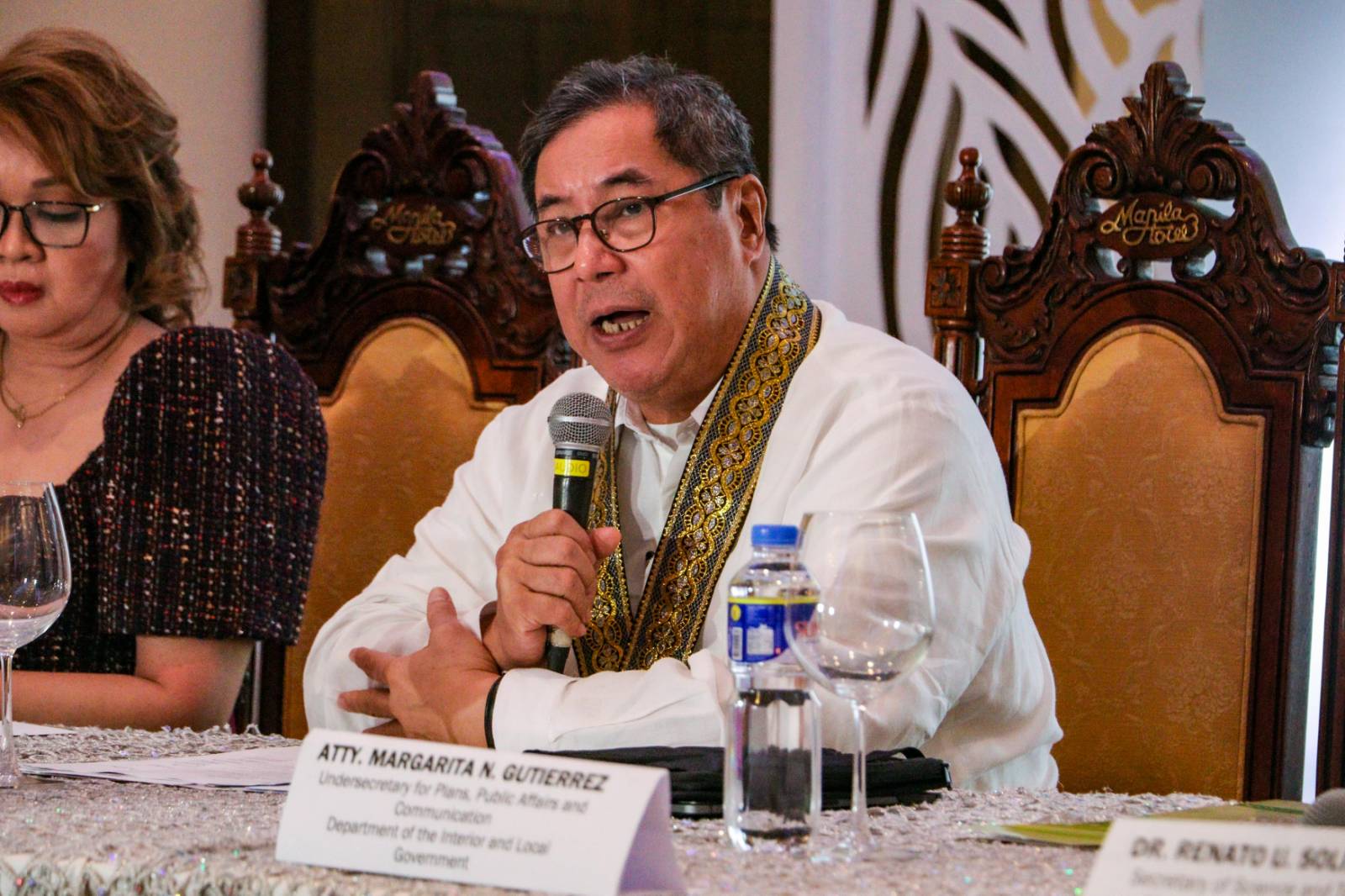
“This partnership with the UN enables us to scale our relief efforts in addressing the social determinants of health, promoting preventive care, and advancing toward a healthier, more resilient Philippines,” DOH Secretary Teodoro Herbosa said in a statement issued Thursday, Oct. 31.
DOH noted that this strategic alliance seeks to address the growing health challenges posed by climate change while ensuring that all Filipinos have access to essential health services.
By leveraging resources and expertise, DOH said the partnership aims to strengthen the country’s healthcare system, particularly in vulnerable communities, fostering a more sustainable and equitable approach to health in the face of environmental threats.
Mutual commitment
DOH said Herbosa and UN Deputy Secretary-General Amina J. Mohammed recently reiterated their mutual commitment to the Sustainable Development Goals (SDGs), emphasizing universal health, health equity, and enhancing resilience to health impacts from climate change and pandemics.
Herbosa highlighted advancements in health and sanitation related to SDGs #3 and #4 while also identifying areas that need additional attention.
The key priorities discussed included boosting investments in maternal and child health to lower mortality rates, address adolescent pregnancy, and combat child stunting.
DOH intends to implement targeted interventions through its 8-Point Action Agenda to ensure the Philippines remains on course to fulfill its SDG commitments.
This agenda prioritizes maternal and child health, climate-resilient health systems, the control of non-communicable and infectious diseases, and the enhancement of digital health infrastructure.
Meanwhile, Mohammed stressed the importance of transformative action, noting that only five years remain to achieve the SDGs. She also emphasized the need to leverage technology to expedite progress, enhance sustainable financing systems, and tackle critical areas for improvement in the Philippines.
Mohammed highlighted the necessity of a strong policy and regulatory framework that fosters local financial and social investments, along with an emphasis on larger, impactful projects that align with the scale of the SDG vision to ensure long-term success.
She added that a balanced financial structure, equipped with mechanisms aimed at facilitating long-term, meaningful progress, is essential.
With a clear roadmap of targeted health interventions, enhanced institutions, and strategic financing, the Philippines, in collaboration with the UN, aims to drive meaningful change in the years leading up to 2030.
This effort seeks to ensure that every Filipino benefits from progress toward a more resilient, equitable, and healthier future, DOH added.