ADVERTISEMENT

Typhoon Krathon shuts parts of Taiwan for a third day; 2 dead, thousands evacuated

Published Oct 3, 2024 01:38 am

KRATHON PHOTO.jpg

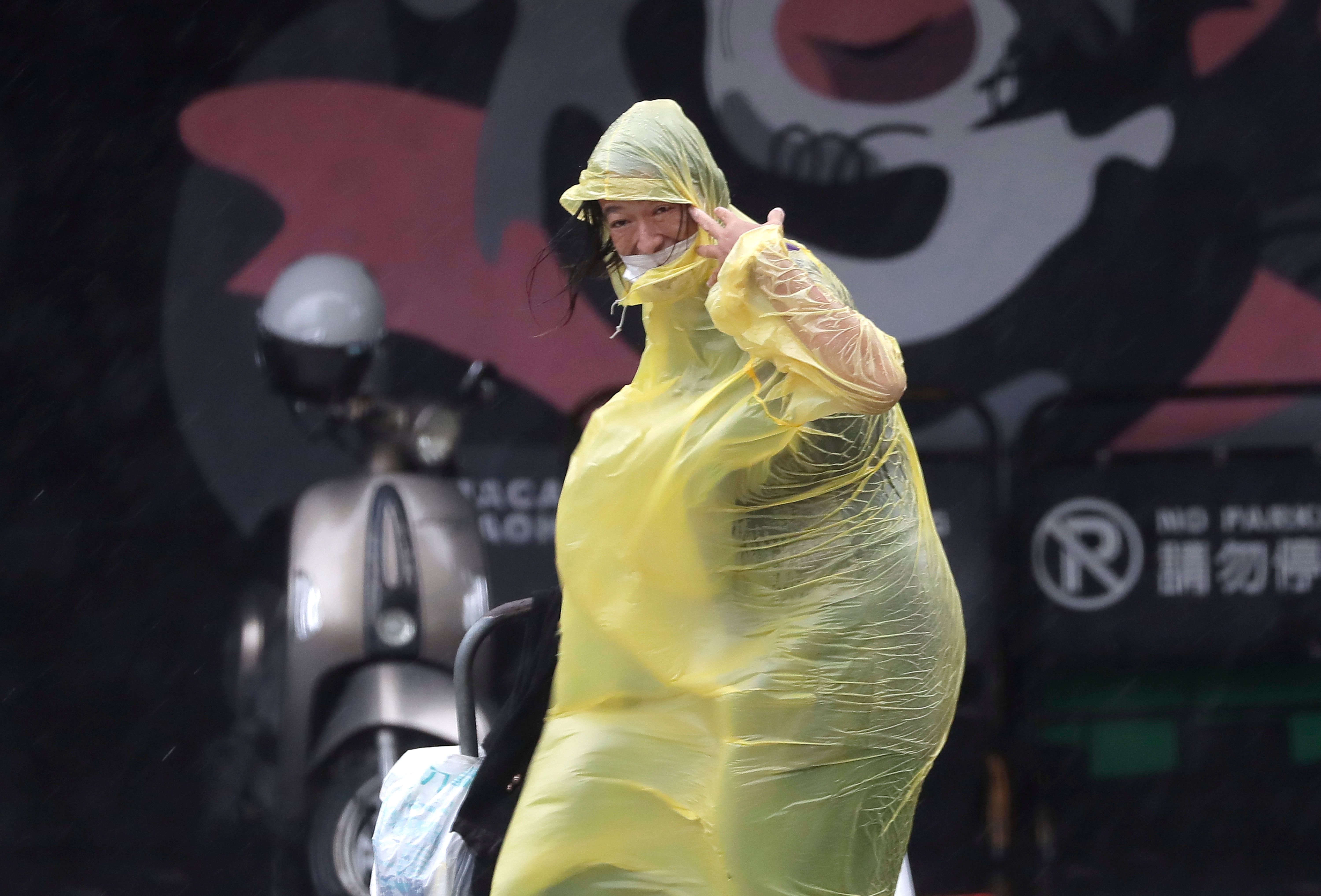
A woman struggles with winds generated by Typhoon Krathon in Kaohsiung, Southern Taiwan, Wednesday, Oct. 2, 2024. (AP Photo/Chiang Ying-ying)


KAOHSIUNG, Taiwan (AP) — An approaching typhoon bringing strong winds and torrential rainfall to Taiwan killed two people and injured more than 100 people over the past few days while forcing thousands to evacuate from low-lying or mountainous areas.

At least 102 people were injured and two people died due to weather conditions attributed to Typhoon Krathon, Taiwan’s Central Emergency Operation Center said Wednesday.

One elderly man died after falling off a ladder while pruning tree branches in the eastern city of Hualien. Another man died after crashing into fallen rocks while driving in Taitung county. Two others were missing.

The slow-moving typhoon led to school and office closures for a third consecutive day Thursday, with authorities asking people to stay indoors.
Krathon2.jpg

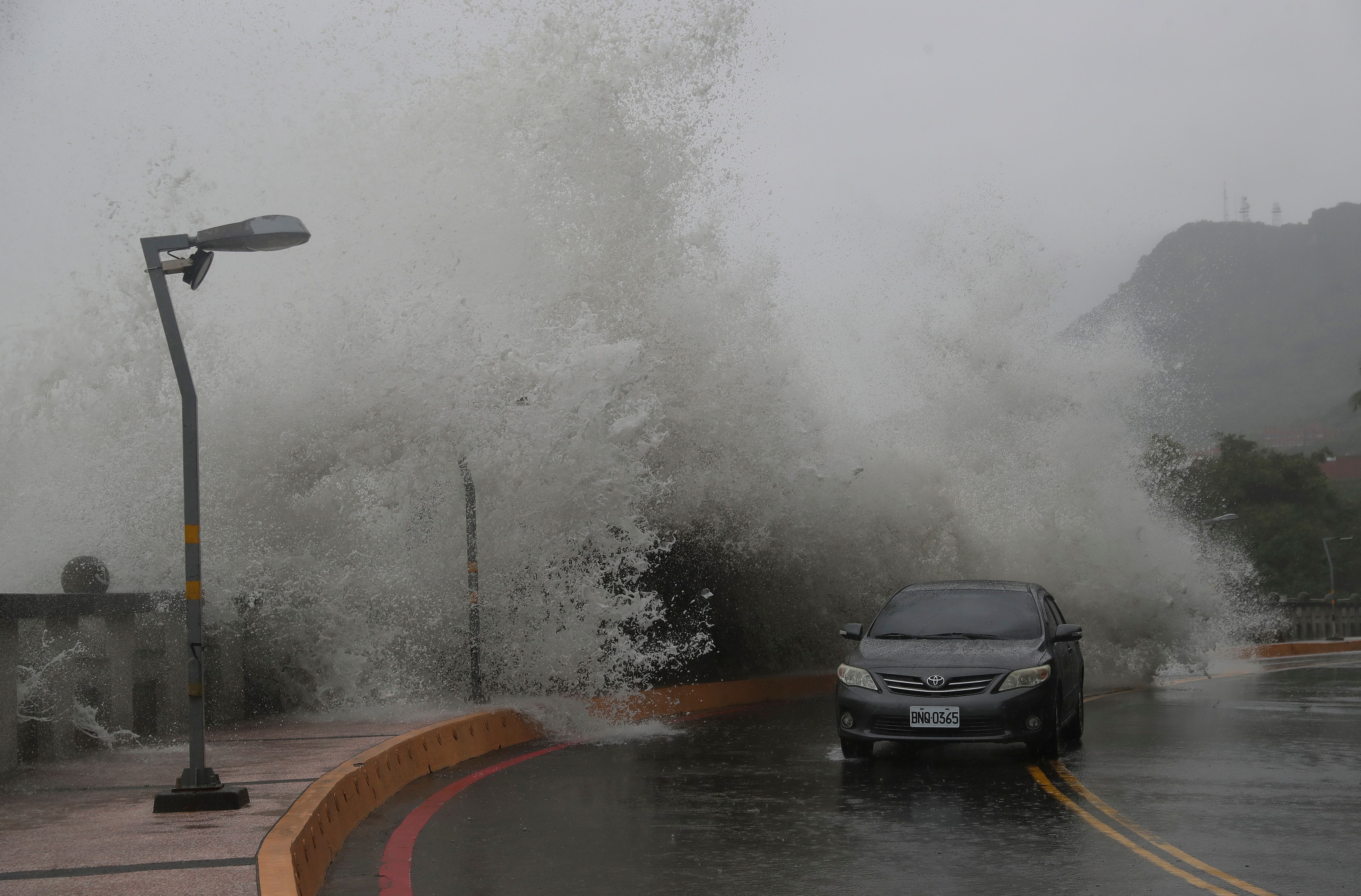
A car moves along the shore in Kaohsiung, Southern Taiwan, Wednesday, Oct. 2, 2024, as Typhoon Krathon is expected to hit the area. (AP Photo/Chiang Ying-ying)


Typhoon Krathon, packing fierce winds and torrential rainfall, was around 50 kilometers (31 miles) southwest of the major port city of Kaohsiung on Thursday morning, traveling northeastward at a speed of 4 kph (2.5 mph), according to the island’s Central Weather Administration.

It was expected to make landfall later Thursday on Taiwan’s densely populated west coast. The typhoon, packing maximum sustained winds near the center of 137 kph (85 mph) and gusts of 173 kph (107 mph), is expected to continue to weaken as it moves inland.

The typhoon has brought Kaohsiung, a city of 2.7 million people, to a standstill for the past three days. Stores and restaurants have been shuttered, and residents kept away from markets and harbors. All domestic flights have been grounded for the past two days.

At least 128 centimeters (4.2 feet) of rain has fallen in coastal Taitung county in the past four days and 43 centimeters (17 inches) in the major port city of Kaohsiung ahead of the typhoon.

Authorities shut schools and government offices across the island and canceled all domestic flights.

In Hualien county, more than 3,000 people were evacuated from townships vulnerable to landslides. Almost 200 people in the southwestern city of Tainan and more than 800 residents of the southern Pingtung county were also evacuated.

Kaohsiung, a city of 2.7 million people expected to be directly hit by the typhoon, evacuated more than 2,500 of its residents from areas prone to mudslides and landslides. Military personnel helped evacuees into trucks, which took them to temporary shelters.

Most stores and restaurants in the city remained closed for a second consecutive day. Shoppers emptied supermarket shelves of essentials including bread, meat and instant noodles.

Streets and markets were eerily empty. An industrial harbor south of the city was at a standstill.

Kaohsiung’s international airport looked deserted, with all flights canceled. Chan Ka Who, who had traveled there from Malaysia on vacation, said he was trying to return home but was stuck in Kaohsiung because all flights were grounded.

On Wednesday evening, the typhoon was centered about 110 kilometers (68 miles) southwest of Kaohsiung and was moving northeast at around 8 kph (5 mph). It has been weakening and will continue to do so after landfall, the weather administration said.

Kaohsiung Mayor Chen Chi-mai earlier warned residents against approaching areas prone to flooding and landslides near rivers, the sea and the mountains. He likened Krathon’s intensity to that of Typhoon Thelma, which in 1977 badly damaged Kaohsiung and caused 37 deaths.

Almost 40,000 troops were on standby to help with rescue efforts.

In Pingtung county, residents near a flooded harbor piled up sandbags at their doors to prevent water from getting in. People waded through streets flooded up to their ankles.

Related Tags

WORLDNEWS
ADVERTISEMENT
.most-popular .layout-ratio{ padding-bottom: 79.13%; } @media (min-width: 768px) and (max-width: 1024px) { .widget-title { font-size: 15px !important; } }

{{ articles_filter_1561_widget.title }}

.most-popular .layout-ratio{ padding-bottom: 79.13%; } @media (min-width: 768px) and (max-width: 1024px) { .widget-title { font-size: 15px !important; } }

{{ articles_filter_1562_widget.title }}

.most-popular .layout-ratio{ padding-bottom: 79.13%; } @media (min-width: 768px) and (max-width: 1024px) { .widget-title { font-size: 15px !important; } }

{{ articles_filter_1563_widget.title }}

{{ articles_filter_1564_widget.title }}

.mb-article-details { position: relative; } .mb-article-details .article-body-preview, .mb-article-details .article-body-summary{ font-size: 17px; line-height: 30px; font-family: "Libre Caslon Text", serif; color: #000; } .mb-article-details .article-body-preview iframe , .mb-article-details .article-body-summary iframe{ width: 100%; margin: auto; } .read-more-background { background: linear-gradient(180deg, color(display-p3 1.000 1.000 1.000 / 0) 13.75%, color(display-p3 1.000 1.000 1.000 / 0.8) 30.79%, color(display-p3 1.000 1.000 1.000) 72.5%); position: absolute; height: 200px; width: 100%; bottom: 0; display: flex; justify-content: center; align-items: center; padding: 0; } .read-more-background a{ color: #000; } .read-more-btn { padding: 17px 45px; font-family: Inter; font-weight: 700; font-size: 18px; line-height: 16px; text-align: center; vertical-align: middle; border: 1px solid black; background-color: white; } .hidden { display: none; }
function initializeAllSwipers() { // Get all hidden inputs with cms_article_id document.querySelectorAll('[id^="cms_article_id_"]').forEach(function (input) { const cmsArticleId = input.value; const articleSelector = '#article-' + cmsArticleId + ' .body_images'; const swiperElement = document.querySelector(articleSelector); if (swiperElement && !swiperElement.classList.contains('swiper-initialized')) { new Swiper(articleSelector, { loop: true, pagination: false, navigation: { nextEl: '#article-' + cmsArticleId + ' .swiper-button-next', prevEl: '#article-' + cmsArticleId + ' .swiper-button-prev', }, }); } }); } setTimeout(initializeAllSwipers, 3000); const intersectionObserver = new IntersectionObserver( (entries) => { entries.forEach((entry) => { if (entry.isIntersecting) { const newUrl = entry.target.getAttribute("data-url"); if (newUrl) { history.pushState(null, null, newUrl); let article = entry.target; // Extract metadata const author = article.querySelector('.author-section').textContent.replace('By', '').trim(); const section = article.querySelector('.section-info ').textContent.replace(' ', ' '); const title = article.querySelector('.article-title h1').textContent; // Parse URL for Chartbeat path format const parsedUrl = new URL(newUrl, window.location.origin); const cleanUrl = parsedUrl.host + parsedUrl.pathname; // Update Chartbeat configuration if (typeof window._sf_async_config !== 'undefined') { window._sf_async_config.path = cleanUrl; window._sf_async_config.sections = section; window._sf_async_config.authors = author; } // Track virtual page view with Chartbeat if (typeof pSUPERFLY !== 'undefined' && typeof pSUPERFLY.virtualPage === 'function') { try { pSUPERFLY.virtualPage({ path: cleanUrl, title: title, sections: section, authors: author }); } catch (error) { console.error('ping error', error); } } // Optional: Update document title if (title && title !== document.title) { document.title = title; } } } }); }, { threshold: 0.1 } ); function showArticleBody(button) { const article = button.closest("article"); const summary = article.querySelector(".article-body-summary"); const body = article.querySelector(".article-body-preview"); const readMoreSection = article.querySelector(".read-more-background"); // Hide summary and read-more section summary.style.display = "none"; readMoreSection.style.display = "none"; // Show the full article body body.classList.remove("hidden"); } document.addEventListener("DOMContentLoaded", () => { let loadCount = 0; // Track how many times articles are loaded const offset = [1, 2, 3, 4, 5, 6, 7, 8, 9, 10]; // Offset values const currentUrl = window.location.pathname.substring(1); let isLoading = false; // Prevent multiple calls if (!currentUrl) { console.log("Current URL is invalid."); return; } const sentinel = document.getElementById("load-more-sentinel"); if (!sentinel) { console.log("Sentinel element not found."); return; } function isSentinelVisible() { const rect = sentinel.getBoundingClientRect(); return ( rect.top < window.innerHeight && rect.bottom >= 0 ); } function onScroll() { if (isLoading) return; if (isSentinelVisible()) { if (loadCount >= offset.length) { console.log("Maximum load attempts reached."); window.removeEventListener("scroll", onScroll); return; } isLoading = true; const currentOffset = offset[loadCount]; window.loadMoreItems().then(() => { let article = document.querySelector('#widget_1690 > div:nth-last-of-type(2) article'); intersectionObserver.observe(article) loadCount++; }).catch(error => { console.error("Error loading more items:", error); }).finally(() => { isLoading = false; }); } } window.addEventListener("scroll", onScroll); });

Sign up by email to receive news.