ADVERTISEMENT

Cushion natural disaster impacts; secure a safer future for all

Published Oct 22, 2024 11:34 pm

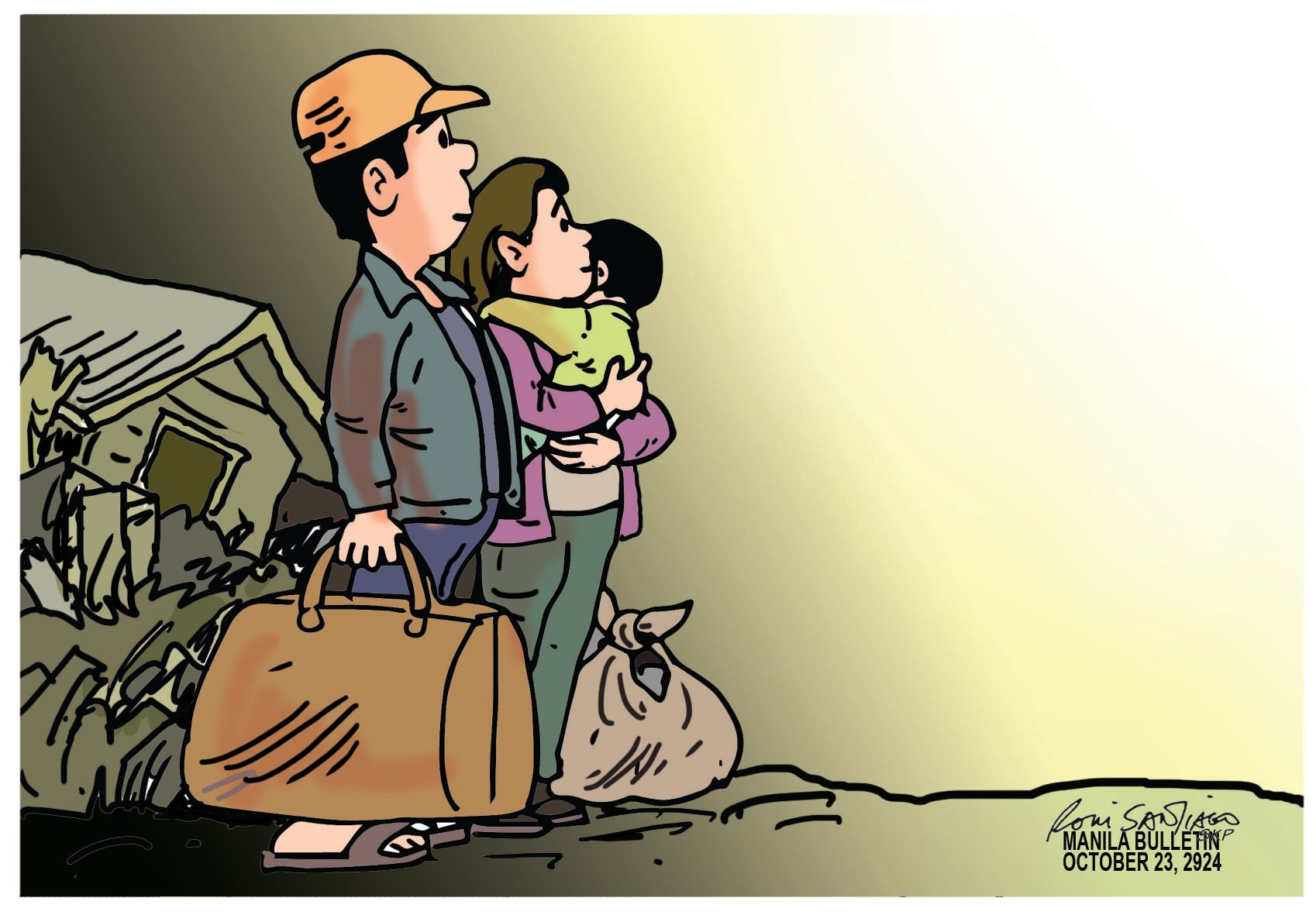
E CARTOON OCT 23, 2024.jpg


The Philippines, with its unique geographical location, faces an unparalleled challenge — it is the most disaster-prone country in Southeast Asia, leading to the highest rate of internal displacement due to natural disasters. 


The Asian Development Bank (ADB) and the Geneva-based Internal Displacement Monitoring Center (IDMC) bared this in a joint report, “Harnessing Development Financing for Solutions to Displacement in the Context of Disasters and Climate Change in Asia and the Pacific.” According to the report, natural disasters displace Filipinos the most compared to their neighbors in Southeast Asia — nearly 43 million disaster displacements between 2014 and 2023. With this development, both multilateral lenders called for immediate aid and response to calamity victims to prevent them from sliding into poverty. 


This situation underscores the urgency of addressing this crisis through coordinated efforts of the government, private sector, and every Filipino citizen.


To begin with, the state must prioritize the integration of displacement considerations into national and local policies. This includes enhancing the National Climate Change Action Plan and the National Disaster Risk Management Plan to ensure they are robust and responsive to the increasing frequency and severity of natural disasters. The Department of Environment and Natural Resources (DENR) should expedite its review of the Manila Bay reclamation projects, ensuring that environmental and social impacts are thoroughly assessed and mitigated. It has been awhile since President Marcos ordered a review of the Manila Bay reclamation projects. 


Investments in resilient infrastructure are crucial, therefore the government should take steps to make this happen. It should allocate more resources to building disaster-resilient housing, improving early warning systems, and enhancing evacuation centers. Additionally, there should be a focus on sustainable land use planning to prevent settlements in high-risk areas.


The private sector plays a pivotal role in helping the government address displacement concerns. Businesses can contribute by investing in disaster-resilient infrastructure and technologies that mitigate the impacts of climate change. Corporate social responsibility (CSR) initiatives should focus on supporting displaced communities through job creation, skills training, and livelihood programs.


Moreover, private companies can collaborate with the government and non-governmental organizations (NGOs) to develop innovative solutions for disaster risk reduction and climate adaptation. This includes funding research and development projects aimed at creating sustainable and resilient communities.


To address displacement, every Filipino has a role to play. Community-based disaster risk reduction programs should be promoted, encouraging local participation in disaster preparedness and response activities. Education campaigns can raise awareness about the importance of environmental conservation and sustainable practices.


Citizens can also advocate for stronger climate policies and hold both the government and private sector accountable for their actions. By fostering a culture of preparedness and resilience, communities can better withstand the impacts of natural disasters.


The displacement problem in the country requires a comprehensive and unified approach. The government, private sector, and citizens must work together to implement effective solutions that address the root causes of displacement and build a more resilient nation. 


As Sen. Loren Legarda stressed during the plenary discussion of the Asia-Pacific Ministerial Conference on Disaster Risk Reduction (APMCDRR) in Pasay City on Oct. 16, “government, the private sector, civil society, local communities, the education sector, must collaborate to create inclusive and innovative solutions.”


With the right policies, investments, and community engagement, we can turn the tide on displacement and secure a safer future for all Filipinos.
 

Related Tags

EDITORIAL
ADVERTISEMENT
.most-popular .layout-ratio{ padding-bottom: 79.13%; } @media (min-width: 768px) and (max-width: 1024px) { .widget-title { font-size: 15px !important; } }

{{ articles_filter_1561_widget.title }}

.most-popular .layout-ratio{ padding-bottom: 79.13%; } @media (min-width: 768px) and (max-width: 1024px) { .widget-title { font-size: 15px !important; } }

{{ articles_filter_1562_widget.title }}

.most-popular .layout-ratio{ padding-bottom: 79.13%; } @media (min-width: 768px) and (max-width: 1024px) { .widget-title { font-size: 15px !important; } }

{{ articles_filter_1563_widget.title }}

{{ articles_filter_1564_widget.title }}

.mb-article-details { position: relative; } .mb-article-details .article-body-preview, .mb-article-details .article-body-summary{ font-size: 17px; line-height: 30px; font-family: "Libre Caslon Text", serif; color: #000; } .mb-article-details .article-body-preview iframe , .mb-article-details .article-body-summary iframe{ width: 100%; margin: auto; } .read-more-background { background: linear-gradient(180deg, color(display-p3 1.000 1.000 1.000 / 0) 13.75%, color(display-p3 1.000 1.000 1.000 / 0.8) 30.79%, color(display-p3 1.000 1.000 1.000) 72.5%); position: absolute; height: 200px; width: 100%; bottom: 0; display: flex; justify-content: center; align-items: center; padding: 0; } .read-more-background a{ color: #000; } .read-more-btn { padding: 17px 45px; font-family: Inter; font-weight: 700; font-size: 18px; line-height: 16px; text-align: center; vertical-align: middle; border: 1px solid black; background-color: white; } .hidden { display: none; }
function initializeAllSwipers() { // Get all hidden inputs with cms_article_id document.querySelectorAll('[id^="cms_article_id_"]').forEach(function (input) { const cmsArticleId = input.value; const articleSelector = '#article-' + cmsArticleId + ' .body_images'; const swiperElement = document.querySelector(articleSelector); if (swiperElement && !swiperElement.classList.contains('swiper-initialized')) { new Swiper(articleSelector, { loop: true, pagination: false, navigation: { nextEl: '#article-' + cmsArticleId + ' .swiper-button-next', prevEl: '#article-' + cmsArticleId + ' .swiper-button-prev', }, }); } }); } setTimeout(initializeAllSwipers, 3000); const intersectionObserver = new IntersectionObserver( (entries) => { entries.forEach((entry) => { if (entry.isIntersecting) { const newUrl = entry.target.getAttribute("data-url"); if (newUrl) { history.pushState(null, null, newUrl); let article = entry.target; // Extract metadata const author = article.querySelector('.author-section').textContent.replace('By', '').trim(); const section = article.querySelector('.section-info ').textContent.replace(' ', ' '); const title = article.querySelector('.article-title h1').textContent; // Parse URL for Chartbeat path format const parsedUrl = new URL(newUrl, window.location.origin); const cleanUrl = parsedUrl.host + parsedUrl.pathname; // Update Chartbeat configuration if (typeof window._sf_async_config !== 'undefined') { window._sf_async_config.path = cleanUrl; window._sf_async_config.sections = section; window._sf_async_config.authors = author; } // Track virtual page view with Chartbeat if (typeof pSUPERFLY !== 'undefined' && typeof pSUPERFLY.virtualPage === 'function') { try { pSUPERFLY.virtualPage({ path: cleanUrl, title: title, sections: section, authors: author }); } catch (error) { console.error('ping error', error); } } // Optional: Update document title if (title && title !== document.title) { document.title = title; } } } }); }, { threshold: 0.1 } ); function showArticleBody(button) { const article = button.closest("article"); const summary = article.querySelector(".article-body-summary"); const body = article.querySelector(".article-body-preview"); const readMoreSection = article.querySelector(".read-more-background"); // Hide summary and read-more section summary.style.display = "none"; readMoreSection.style.display = "none"; // Show the full article body body.classList.remove("hidden"); } document.addEventListener("DOMContentLoaded", () => { let loadCount = 0; // Track how many times articles are loaded const offset = [1, 2, 3, 4, 5, 6, 7, 8, 9, 10]; // Offset values const currentUrl = window.location.pathname.substring(1); let isLoading = false; // Prevent multiple calls if (!currentUrl) { console.log("Current URL is invalid."); return; } const sentinel = document.getElementById("load-more-sentinel"); if (!sentinel) { console.log("Sentinel element not found."); return; } function isSentinelVisible() { const rect = sentinel.getBoundingClientRect(); return ( rect.top < window.innerHeight && rect.bottom >= 0 ); } function onScroll() { if (isLoading) return; if (isSentinelVisible()) { if (loadCount >= offset.length) { console.log("Maximum load attempts reached."); window.removeEventListener("scroll", onScroll); return; } isLoading = true; const currentOffset = offset[loadCount]; window.loadMoreItems().then(() => { let article = document.querySelector('#widget_1690 > div:nth-last-of-type(2) article'); intersectionObserver.observe(article) loadCount++; }).catch(error => { console.error("Error loading more items:", error); }).finally(() => { isLoading = false; }); } } window.addEventListener("scroll", onScroll); });

Sign up by email to receive news.