







Yes, poor people are bankable


FROM THE MARGINS
It is difficult to speak truth to power, but if we want social reforms, we need to do it. Through the years, the concerted efforts of advocates of social and financial inclusion to engage with policymakers and government regulators have yielded positive results. We had successfully launched campaigns for the adoption or changing of policies or programs to push our poverty eradication agenda.
Since the 1990s, microfinance industry players have been sharing best practices and advocating for an enabling policy environment to ensure that more people needing access to financial services will be served. We pursued financial sustainability and sustainable performance standards as we expanded our outreach. As a result, we were able to demonstrate three important things:
First, poor people are bankable. For almost four decades, our microfinance network sustained an almost perfect repayment rate — belying the perception that poor people are credit risks. With financial literacy, credit discipline, training and other support, poor people can save and manage their finances, establish businesses and repay their loans.
Second, microfinance is a viable business. It is not just a good vehicle for social transformation — microfinance is sustainable because it is market-oriented, founded on sound credit principles rather than subsidy.
Third, microfinance is a powerful tool for poverty eradication. Our clients are living testaments of how microfinance institutions (MFIs) can lift people out of poverty by providing access to finance, microinsurance, education, training, health and other services that poor people need to transform their lives.
Wins at the policy front
The Philippines adopted a national strategy for microfinance as early as 1997, developing a policy environment that supported MFI growth. In 2016, the Bangko Sentral ng Pilipinas (BSP) issued the National Strategy for Financial Inclusion (NSFI), which was updated in 2022. This guiding framework recognizes the important role of community-based organizations in financial inclusion — an acknowledgement that microfinance NGOs, mutual benefit associations (MBAs), and credit cooperatives pioneered the transformative vision of making financial services accessible to poor people and communities. They are important components of our financial ecosystem.
In 2000, microfinance became part of the banking industry and BSP adopted microfinance as its flagship poverty alleviation program. The BSP is the first central bank in the world to have an office dedicated to financial inclusion, facilitating the transformation of many MFIs into microfinance-oriented banks.
Presidential Proclamation No. 233, s.2002 declared Aug. 17 to 24 as National Microfinance Week, directing agencies to conduct activities to promote the role of microfinance in poverty alleviation. In 2011, BSP led the holding of a National Microfinance Summit where a uniform set of performance standards developed as best practices by MFIs was adopted by government agencies. In 2015, the Philippines won an award at the UN International Forum to Build Inclusive Financial Sectors. That same year, RA No. 10693 (Microfinance NGOs Act) was passed, mandating technical assistance and government support to NGOs engaged in microfinance operations.
By working closely with regulators and key stakeholders, MFIs had been very successful at the policy advocacy front.
Protecting the gains
While much has been accomplished, policy advocacy is as important as ever. Financial inclusion advocates, and microfinance practitioners must continue to work with policy makers, regulators, and other development partners because poverty remains prevalent and many Filipinos are still financially excluded.
There are policy developments we need to watch out for. Ensuring that accredited MFIs continue to enjoy the preferential tax treatment mandated by RA 10693 (two percent tax based on gross receipts) is important to reaching more marginalized communities and providing additional services such as health, education, and other non-financial services. Just last month, the Bureau of Internal Revenue (BIR) issued Revenue Memorandum Circular No. 108-204, clarifying the taxability of microinsurance MBAs. We are grateful to the BIR and the Insurance Commission for their support, which led to the issuance of this circular recognizing the tax exemption of registered microinsurance MBAs.
Our advocacy agenda should focus on these policy reforms: (1) lowering of premium taxes for non-life insurance; (2) policy framework for new financial products like climate change bonds/insurance, income interruption insurance; (3) establishment of localized private-led guarantee corporation at the provincial level, with LGUs and the private sector coordinating to provide more support to MSMEs and agribusiness borrowers, shortening the processing time for business loan guarantees and providing sliding incentives to good borrowers; (4) decentralization of FDA licensing to aid entrepreneurs in the food processing business; and (5) construction of more ports and storage facilities to reduce farmers’ costs in transporting produce and farm implements. We must also guard against corruption and lobby for ease of doing business with the government, to assist our clients in registering their businesses with various agencies.
Advocacy is crucial in ensuring that access to financial and social services will change people’s lives for the better. Hand in hand, we can do this.
* * *
“No voice is too soft when that voice speaks for others.” — Janna Cachola
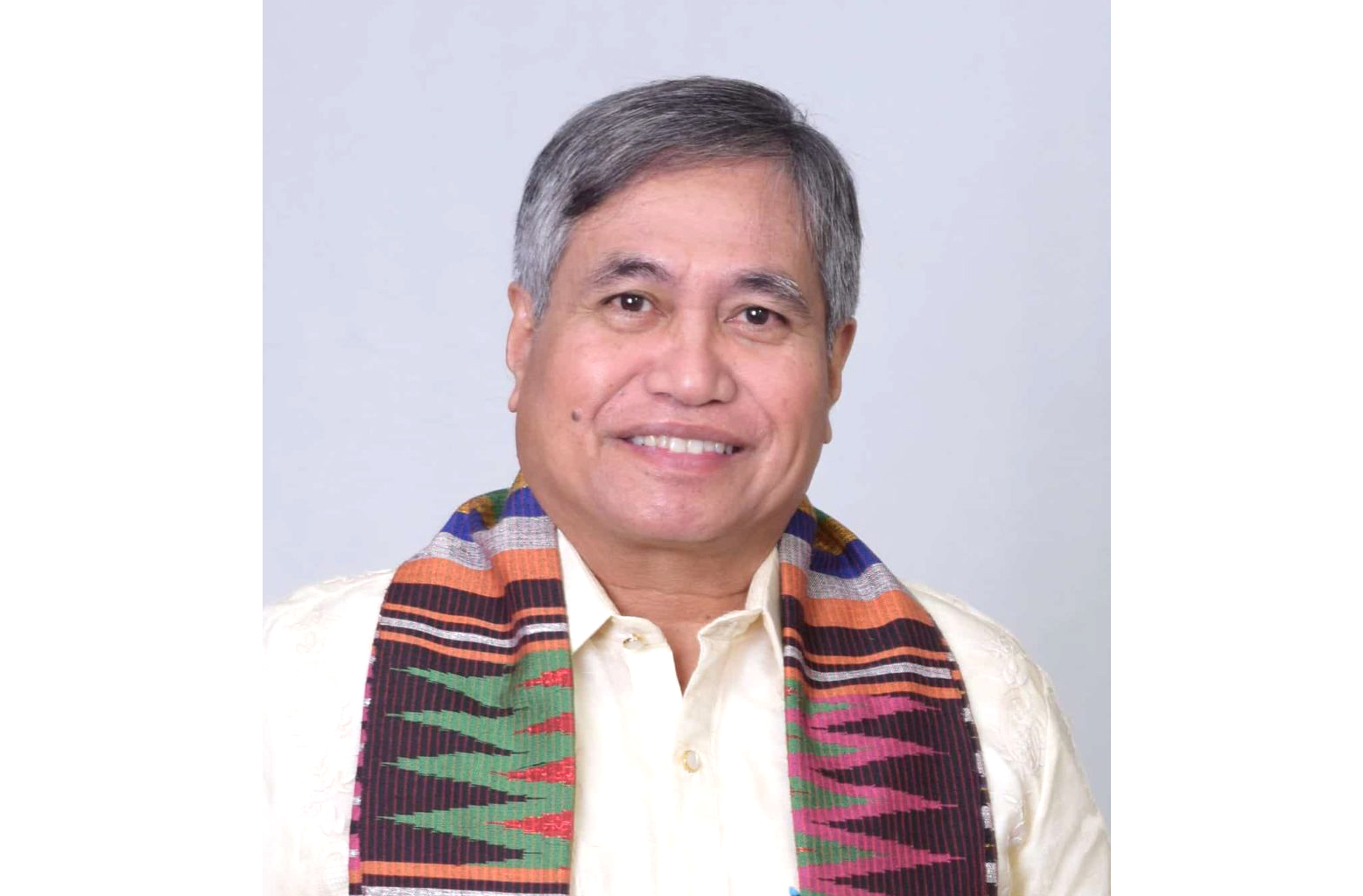
(Dr. Jaime Aristotle B. Alip is a poverty eradication advocate. He is the founder of the Center for Agriculture and Rural Development Mutually-Reinforcing Institutions (CARD MRI), a group of 23 organizations that provide social development services to eight million economically-disadvantaged Filipinos and insure more than 27 million nationwide.)