ADVERTISEMENT

OPPO A3: The smartphone built for the grit of Filipino life

Published Oct 18, 2024 02:40 am

OPPOA.png


If there's one thing Filipinos are known for aside from being hospitable, it's our resilience. Everyone is hustling every day, whether at work or school, which is why a reliable smartphone is essential to keep up with the challenges of daily life. Introducing the OPPO A3— designed to be the perfect partner for hardworking Filipinos looking for durability, practicality, and style, all without breaking the bank!

Durability That Withstands Life’s Bumps (and Drops!)

For Filipinos constantly on the move, a durable smartphone is non-negotiable. The OPPO A3 is ready to handle whatever life throws at it. It is fortified with Military-Grade Shock Resistance and SGS Standard Certification, meaning the phone can withstand a fall of up to 1.2 meters without damaging its functionality. This is the only smartphone in its price range that is dual-certified for drop resistance, making it a top choice for those with an active lifestyle.

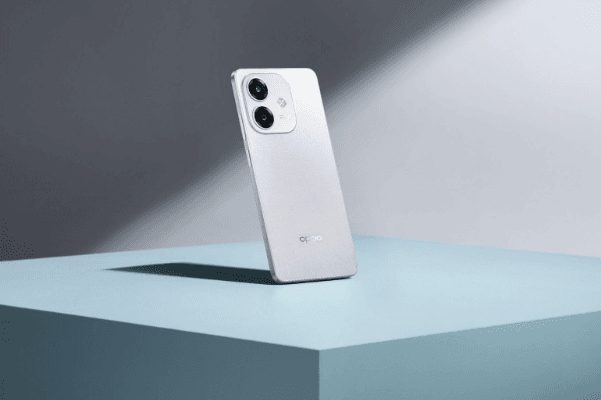
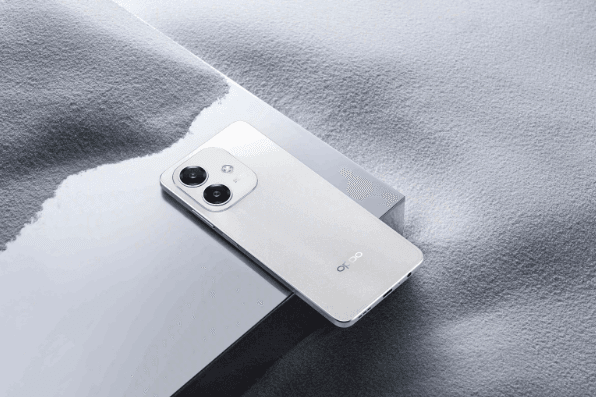
Durability doesn't mean you have to sacrifice style. With its sleek design and vibrant color options, such as Sparkle Black, Starry Purple, and the newly launched Starlight White, the OPPO A3 can withstand tough situations and help you stand out. 

Ready for the Unpredictable

Life in the Philippines can be unpredictable, especially with the weather. No one wants their phone to get damaged by water, but accidents happen, right? Thanks to OPPO A3's Multiple Liquid Resistance and Splash Touch Technology, there's no need to worry about phone damage anymore. Whether it's a sudden downpour on your way to a particular destination or an accidental spill of coffee or water, the phone can surely handle it. Rinse it off, and you're good to go. To make things even better, the phone's touchscreen remains responsive in wet conditions, allowing you to use the phone, rain or shine.

Built to Power You Through the Day

Staying connected is crucial, and OPPO understands that. The OPPO A3 comes equipped with a 5,100mAh battery that ensures you can stay online throughout the day. The phone is built to keep up with long days of work, study, or scrolling through social media platforms.

When you do need to charge the phone, the OPPO A3’s 45W SUPERVOOC Flash Charge gets you back to 50% battery in just 30 minutes and fully charged in 85 minutes. You’ll never have to worry about missing important updates or opportunities because of a dead battery.

Capturing Every Moment

Here comes the most important part: the camera. With a 50MP Ultra-Clear Main Camera and a 5MP Front Camera, the OPPO A3 is ready to capture life’s important moments. With its 1,000 nits peak brightness, the ultra-bright LCD screen ensures that you can see your display clearly, even in direct sunlight.
 

OPPOB.png


The latest software update introduces OPPO’s pioneering BeaconLink technology, initially launched in the OPPO Reno12 Series 5G. This feature allows you to make calls even in disconnected environments, connecting to supported devices via Bluetooth from distances up to 80 meters in open areas and about 10 meters in crowded spaces—perfect for when traditional signals fail.

Affordable and Available

Initially launched with a 6GB ROM and 128GB RAM variant, the OPPO A3 is now available in two higher storage models: 8GB ROM and 128GB RAM for P9,999 and 8GB ROM and 256GB RAM for P11,999. Both versions are available in Starlight White and Sparkle Black. If you prefer installment plans, you can also purchase the OPPO A3 through Home Credit, starting at just P509 per month for up to 18 months. The OPPO A3 is available in official OPPO stores nationwide or can be purchased online through Shopee, Lazada, and TikTok Shop.

ADVERTISEMENT
.most-popular .layout-ratio{ padding-bottom: 79.13%; } @media (min-width: 768px) and (max-width: 1024px) { .widget-title { font-size: 15px !important; } }

{{ articles_filter_1561_widget.title }}

.most-popular .layout-ratio{ padding-bottom: 79.13%; } @media (min-width: 768px) and (max-width: 1024px) { .widget-title { font-size: 15px !important; } }

{{ articles_filter_1562_widget.title }}

.most-popular .layout-ratio{ padding-bottom: 79.13%; } @media (min-width: 768px) and (max-width: 1024px) { .widget-title { font-size: 15px !important; } }

{{ articles_filter_1563_widget.title }}

{{ articles_filter_1564_widget.title }}

.mb-article-details { position: relative; } .mb-article-details .article-body-preview, .mb-article-details .article-body-summary{ font-size: 17px; line-height: 30px; font-family: "Libre Caslon Text", serif; color: #000; } .mb-article-details .article-body-preview iframe , .mb-article-details .article-body-summary iframe{ width: 100%; margin: auto; } .read-more-background { background: linear-gradient(180deg, color(display-p3 1.000 1.000 1.000 / 0) 13.75%, color(display-p3 1.000 1.000 1.000 / 0.8) 30.79%, color(display-p3 1.000 1.000 1.000) 72.5%); position: absolute; height: 200px; width: 100%; bottom: 0; display: flex; justify-content: center; align-items: center; padding: 0; } .read-more-background a{ color: #000; } .read-more-btn { padding: 17px 45px; font-family: Inter; font-weight: 700; font-size: 18px; line-height: 16px; text-align: center; vertical-align: middle; border: 1px solid black; background-color: white; } .hidden { display: none; }
function initializeAllSwipers() { // Get all hidden inputs with cms_article_id document.querySelectorAll('[id^="cms_article_id_"]').forEach(function (input) { const cmsArticleId = input.value; const articleSelector = '#article-' + cmsArticleId + ' .body_images'; const swiperElement = document.querySelector(articleSelector); if (swiperElement && !swiperElement.classList.contains('swiper-initialized')) { new Swiper(articleSelector, { loop: true, pagination: false, navigation: { nextEl: '#article-' + cmsArticleId + ' .swiper-button-next', prevEl: '#article-' + cmsArticleId + ' .swiper-button-prev', }, }); } }); } setTimeout(initializeAllSwipers, 3000); const intersectionObserver = new IntersectionObserver( (entries) => { entries.forEach((entry) => { if (entry.isIntersecting) { const newUrl = entry.target.getAttribute("data-url"); if (newUrl) { history.pushState(null, null, newUrl); let article = entry.target; // Extract metadata const author = article.querySelector('.author-section').textContent.replace('By', '').trim(); const section = article.querySelector('.section-info ').textContent.replace(' ', ' '); const title = article.querySelector('.article-title h1').textContent; // Parse URL for Chartbeat path format const parsedUrl = new URL(newUrl, window.location.origin); const cleanUrl = parsedUrl.host + parsedUrl.pathname; // Update Chartbeat configuration if (typeof window._sf_async_config !== 'undefined') { window._sf_async_config.path = cleanUrl; window._sf_async_config.sections = section; window._sf_async_config.authors = author; } // Track virtual page view with Chartbeat if (typeof pSUPERFLY !== 'undefined' && typeof pSUPERFLY.virtualPage === 'function') { try { pSUPERFLY.virtualPage({ path: cleanUrl, title: title, sections: section, authors: author }); } catch (error) { console.error('ping error', error); } } // Optional: Update document title if (title && title !== document.title) { document.title = title; } } } }); }, { threshold: 0.1 } ); function showArticleBody(button) { const article = button.closest("article"); const summary = article.querySelector(".article-body-summary"); const body = article.querySelector(".article-body-preview"); const readMoreSection = article.querySelector(".read-more-background"); // Hide summary and read-more section summary.style.display = "none"; readMoreSection.style.display = "none"; // Show the full article body body.classList.remove("hidden"); } document.addEventListener("DOMContentLoaded", () => { let loadCount = 0; // Track how many times articles are loaded const offset = [1, 2, 3, 4, 5, 6, 7, 8, 9, 10]; // Offset values const currentUrl = window.location.pathname.substring(1); let isLoading = false; // Prevent multiple calls if (!currentUrl) { console.log("Current URL is invalid."); return; } const sentinel = document.getElementById("load-more-sentinel"); if (!sentinel) { console.log("Sentinel element not found."); return; } function isSentinelVisible() { const rect = sentinel.getBoundingClientRect(); return ( rect.top < window.innerHeight && rect.bottom >= 0 ); } function onScroll() { if (isLoading) return; if (isSentinelVisible()) { if (loadCount >= offset.length) { console.log("Maximum load attempts reached."); window.removeEventListener("scroll", onScroll); return; } isLoading = true; const currentOffset = offset[loadCount]; window.loadMoreItems().then(() => { let article = document.querySelector('#widget_1690 > div:nth-last-of-type(2) article'); intersectionObserver.observe(article) loadCount++; }).catch(error => { console.error("Error loading more items:", error); }).finally(() => { isLoading = false; }); } } window.addEventListener("scroll", onScroll); });

Sign up by email to receive news.