ADVERTISEMENT

Resentment to PUV modernization goes deeper

Published Jan 5, 2024 04:05 pm

EDITORS DESK

BERNIE MAGKILAT.jpeg

The PUV modernization program, which seeks to overhaul the country’s old and inefficient transport system, was born out of many noble ambitions.


We understand that the jeepney sector is just one part of the Public Utility Vehicle Modernization (PUVM) program. But, it is now the center of heated discussions about the sorry state of the country’s public transport.


We all agree, including the jeepney drivers and operators, that there is a need to modernize their vehicles, which have been plying the streets serving our commuters for more than several decades already. 


Ironically, this plan is facing strong resistance from drivers and operators themselves.  


Actually, the PUV modernization should have been a story that could have won hands down the support of PUV drivers and operators because its narrative is one that tugs at the heartstrings.


But the narrative was lost somewhere, causing only anger and resentment of its supposed beneficiaries.
 

Jeepney drivers

Have you encountered a jeepney operator or driver, who has prospered well in life? Well, there are a few, but hardly. 


Do you think a jeepney driver can readily shell out the cost of the proposed jeepney replacement?


Modern jeepneys are expensive. Prices for PUVs range from ₱1.6 million, to as much as ₱3 million. The new vehicles are made with all brand-new parts instead of used or surplus material. They are also more efficient and reliable than the original jeepneys they are replacing.


But compared to this, the average jeepney driver earns around ₱500-₱600 a day. With rising costs of gasoline and other factors, it is safe to assume that they earn less. When we talk of savings, I doubt it. Theirs is a subsistent income.


Their daily earnings are not enough to feed a family of five. They even have a hard time meeting their boundaries. How can they keep up with maintenance given the situation?
How many would be affected? There are various estimates. One estimate placed the number of jeepneys to a staggering 180,000-270,000 units with 70,000 just within Metro Manila, affecting 300,000 individuals. With surplus diesel engines, all of these units are contributing to air pollution.  


Mirroring their dilapidated condition, most jeepney drivers are also old, undisciplined and sad to say irreverent.


During the pandemic, the first to lose jobs were the jeepney drivers. Jeepneys were parked and drivers begged.


One of the major goals of the program is to reduce carbon emissions caused by the jeepneys.
 

Why the resistance?


Aside from unsettling the drivers and operators from what they’ve been accustomed to, the resistance can be broken down to the realities facing the drivers.


Drivers are finding it difficult to surrender the franchise they hold so dearly. It’s true, it’s difficult for them to part with something that has been a source of livelihood for so long to a program they distrust in the first place. 


In many cases, the jeepney is a family heirloom, passed down from one generation to another and a symbol of a livelihood that sent their children to college or funded via an OFW’s hard earned money.


But they cling to their vehicles. Despite the fact that their dilapidated jeepneys to which their franchise is attached to has little scrap value at all. 


One thing, the requirement to form a cooperative and acquire a physical plot of land near its operation would prove to be a whole new territory for the drivers and operators. Well, some are trying their best to form a coop but are troubled in getting their loans approved by banks, which require a viable business plan.


On its physical features, really the jeepney needs some fixing but retains the basic features that make it iconic. It’s not just the jeepney drivers who would love to retain the most basic features of the jeepney, but every patriotic Filipino would love to.


The jeepney is our identity as a Filipino. By all means, let us modernize the jeepneys, but retain its most basic features. We are a country that is losing an identity as we ourselves always look at the imported product as superior to our own.


Yes, the jeepneys were the remnants of the World War II Willys General Purpose vehicles (GPs: Jeeps) left by the American military during their occupation of the country. But who remembers that? The  leftover American vehicles are all gone. The jeepney is now all-Filipino. As far as we can tell, the jeepney symbolizes us, Filipinos. It is a cultural thing. 
The resentment of the jeepney drivers and operators goes beyond and deep. They feel the program shortchanged them. They are not buying the idea that they are the terrible transport system in the country, much more than they contribute to climate change.


The program for the country’s foremost mass transport system failed to consider the situation of the drivers and operators.  


From where I stand, the program requirements are just overwhelming for a jeepney driver or a single operator.

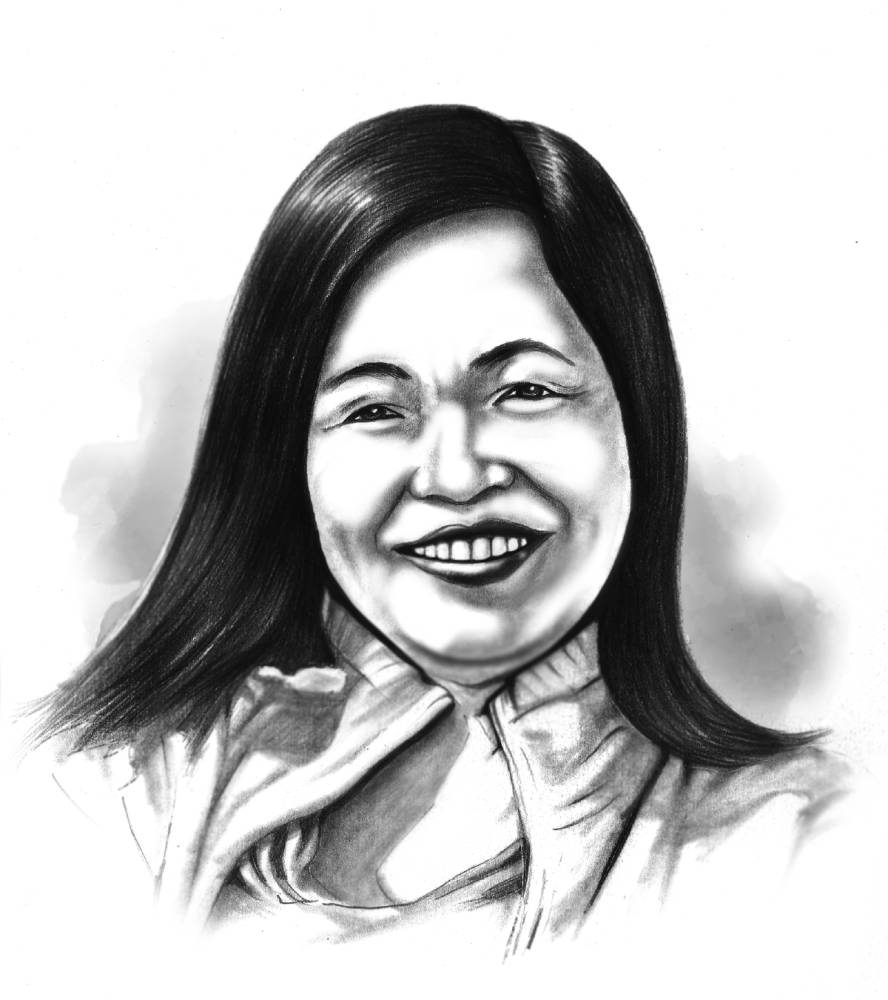
(Bernie Cahiles-Magkilat is the Business Editor of Manila Bulletin.)

Related Tags

BERNIE CAHILES MAGKILAT EDITORS DESK
ADVERTISEMENT
.most-popular .layout-ratio{ padding-bottom: 79.13%; } @media (min-width: 768px) and (max-width: 1024px) { .widget-title { font-size: 15px !important; } }

{{ articles_filter_1561_widget.title }}

.most-popular .layout-ratio{ padding-bottom: 79.13%; } @media (min-width: 768px) and (max-width: 1024px) { .widget-title { font-size: 15px !important; } }

{{ articles_filter_1562_widget.title }}

.most-popular .layout-ratio{ padding-bottom: 79.13%; } @media (min-width: 768px) and (max-width: 1024px) { .widget-title { font-size: 15px !important; } }

{{ articles_filter_1563_widget.title }}

{{ articles_filter_1564_widget.title }}

.mb-article-details { position: relative; } .mb-article-details .article-body-preview, .mb-article-details .article-body-summary{ font-size: 17px; line-height: 30px; font-family: "Libre Caslon Text", serif; color: #000; } .mb-article-details .article-body-preview iframe , .mb-article-details .article-body-summary iframe{ width: 100%; margin: auto; } .read-more-background { background: linear-gradient(180deg, color(display-p3 1.000 1.000 1.000 / 0) 13.75%, color(display-p3 1.000 1.000 1.000 / 0.8) 30.79%, color(display-p3 1.000 1.000 1.000) 72.5%); position: absolute; height: 200px; width: 100%; bottom: 0; display: flex; justify-content: center; align-items: center; padding: 0; } .read-more-background a{ color: #000; } .read-more-btn { padding: 17px 45px; font-family: Inter; font-weight: 700; font-size: 18px; line-height: 16px; text-align: center; vertical-align: middle; border: 1px solid black; background-color: white; } .hidden { display: none; }
function initializeAllSwipers() { // Get all hidden inputs with cms_article_id document.querySelectorAll('[id^="cms_article_id_"]').forEach(function (input) { const cmsArticleId = input.value; const articleSelector = '#article-' + cmsArticleId + ' .body_images'; const swiperElement = document.querySelector(articleSelector); if (swiperElement && !swiperElement.classList.contains('swiper-initialized')) { new Swiper(articleSelector, { loop: true, pagination: false, navigation: { nextEl: '#article-' + cmsArticleId + ' .swiper-button-next', prevEl: '#article-' + cmsArticleId + ' .swiper-button-prev', }, }); } }); } setTimeout(initializeAllSwipers, 3000); const intersectionObserver = new IntersectionObserver( (entries) => { entries.forEach((entry) => { if (entry.isIntersecting) { const newUrl = entry.target.getAttribute("data-url"); if (newUrl) { history.pushState(null, null, newUrl); let article = entry.target; // Extract metadata const author = article.querySelector('.author-section').textContent.replace('By', '').trim(); const section = article.querySelector('.section-info ').textContent.replace(' ', ' '); const title = article.querySelector('.article-title h1').textContent; // Parse URL for Chartbeat path format const parsedUrl = new URL(newUrl, window.location.origin); const cleanUrl = parsedUrl.host + parsedUrl.pathname; // Update Chartbeat configuration if (typeof window._sf_async_config !== 'undefined') { window._sf_async_config.path = cleanUrl; window._sf_async_config.sections = section; window._sf_async_config.authors = author; } // Track virtual page view with Chartbeat if (typeof pSUPERFLY !== 'undefined' && typeof pSUPERFLY.virtualPage === 'function') { try { pSUPERFLY.virtualPage({ path: cleanUrl, title: title, sections: section, authors: author }); } catch (error) { console.error('ping error', error); } } // Optional: Update document title if (title && title !== document.title) { document.title = title; } } } }); }, { threshold: 0.1 } ); function showArticleBody(button) { const article = button.closest("article"); const summary = article.querySelector(".article-body-summary"); const body = article.querySelector(".article-body-preview"); const readMoreSection = article.querySelector(".read-more-background"); // Hide summary and read-more section summary.style.display = "none"; readMoreSection.style.display = "none"; // Show the full article body body.classList.remove("hidden"); } document.addEventListener("DOMContentLoaded", () => { let loadCount = 0; // Track how many times articles are loaded const offset = [1, 2, 3, 4, 5, 6, 7, 8, 9, 10]; // Offset values const currentUrl = window.location.pathname.substring(1); let isLoading = false; // Prevent multiple calls if (!currentUrl) { console.log("Current URL is invalid."); return; } const sentinel = document.getElementById("load-more-sentinel"); if (!sentinel) { console.log("Sentinel element not found."); return; } function isSentinelVisible() { const rect = sentinel.getBoundingClientRect(); return ( rect.top < window.innerHeight && rect.bottom >= 0 ); } function onScroll() { if (isLoading) return; if (isSentinelVisible()) { if (loadCount >= offset.length) { console.log("Maximum load attempts reached."); window.removeEventListener("scroll", onScroll); return; } isLoading = true; const currentOffset = offset[loadCount]; window.loadMoreItems().then(() => { let article = document.querySelector('#widget_1690 > div:nth-last-of-type(2) article'); intersectionObserver.observe(article) loadCount++; }).catch(error => { console.error("Error loading more items:", error); }).finally(() => { isLoading = false; }); } } window.addEventListener("scroll", onScroll); });

Sign up by email to receive news.