

ADVERTISEMENT

Mickey Mouse enters public domain

What does this mean for Disney's iconic symbol?

Published Jan 4, 2024 08:24 am

At A Glance

  • All of the great Disney works took works that were in the public domain and<br>remixed them. — Lawrence Lessig
PSDMIMO_EC003-1.webp
FREE FOR ALL Mickey Mouse’s earliest rendition, as seen in the Steamboat Willie and Plane Crazy shorts, is now free for public use

Mickey Mouse has long been known as the face of Disney but after nearly a century, that could change. 


When the year started, the earliest rendition of the iconic character, as seen in Walt Disney’s animated works Steamboat Willie and Plane Crazy, entered the public domain. Under US law, a copyright can be held for up to 95 years. Since Mickey’s earliest public release came out in 1928, any exclusive rights Disney once held over the character have now expired. Anyone can now legally use or reference Mickey as they please… Sort of. 


Only the versions of Mickey we see in those two shorts are in the public domain. Any of his later versions, like him wearing the wizard hat from Fantasia, are still under Disney’s hold. Since Mickey is also registered as a Disney trademark, selling “official” merch and trying to pass off your work as a Disney original is also prohibited. Things are made clearer through the company’s official statement, “We will, of course, continue to protect our rights in the more modern versions of Mickey Mouse and other works that remain subject to copyright, and we will work to safeguard against consumer confusion caused by unauthorized uses of Mickey and our other iconic characters.”
2.jpg
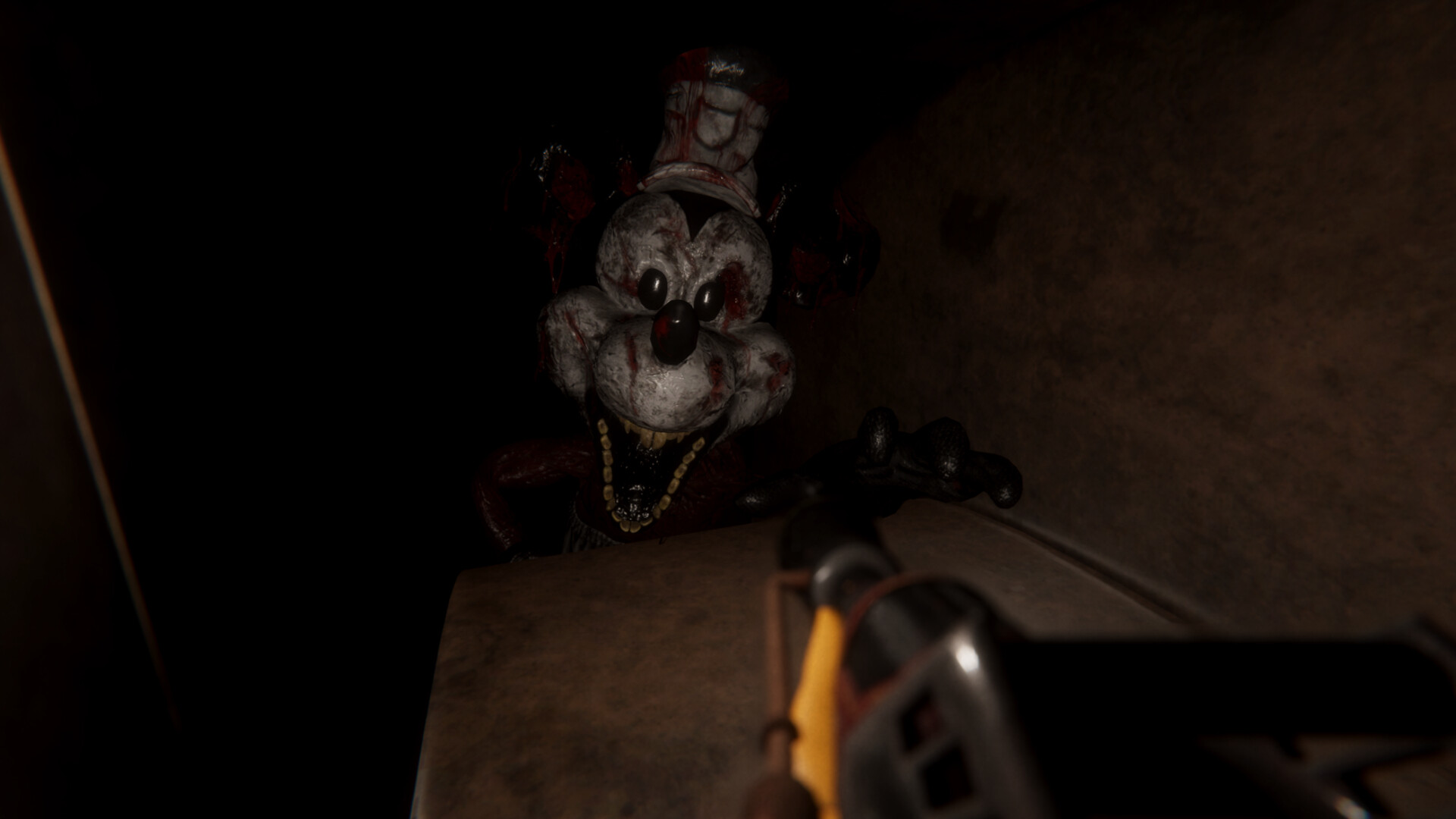
HORRIFIC NEW STORIES Infestation: Origins has players trying to treat infestations caused by twisted versions of classic characters and urban legends

In the few days that Mickey entered the public domain, many have gotten to work on using the titular character for their works. On X, formerly Twitter, several creatives have taken it as a fun project to churn out fanart and ideas for how to use the mouse. Some, including director Steven LaMorte, saw this as open season for trying to use Mickey in the most provocative sense. He revealed plans for using the character in an upcoming horror film, a feat he had previously done using Winnie the Pooh after the loveable bear entered the public domain in 2022. In a similar vein, a horror co-op video game entitled Infestation: Origins is also in the works, featuring a grotesque version of the beloved mouse as the game’s main antagonist. 

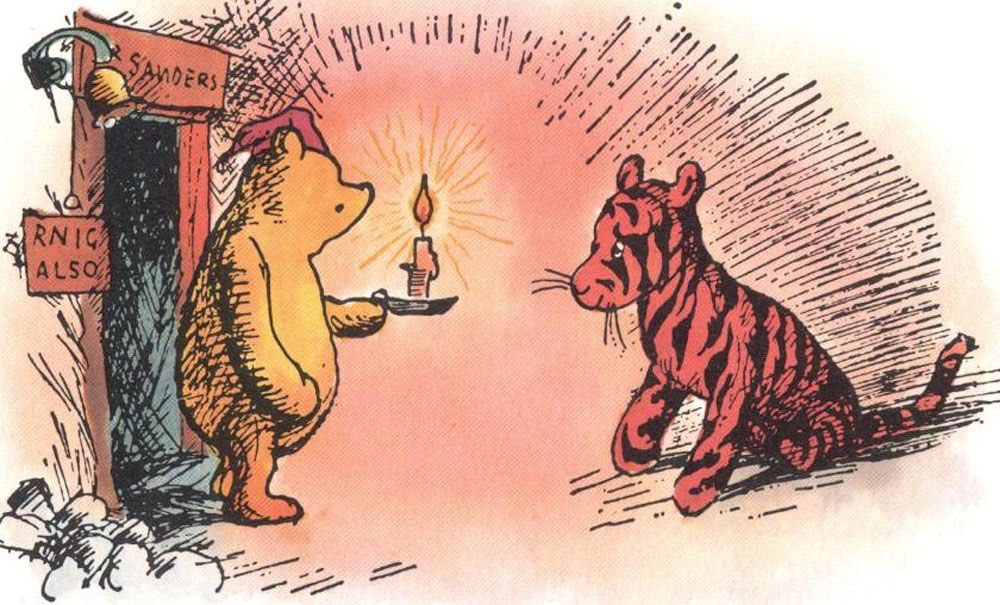
Mickey isn’t the only one entering the public domain this year. Joining him, fittingly, is the earliest rendition of Minnie Mouse. Tigger, Winnie the Pooh’s hyperactive bouncy friend, joins them as well now that AA Milne’s The House at Pooh Corner falls under the public domain. Peter Pan, while included in the list, faces a unique exception. In the UK, Peter Pan’s copyright cannot expire as its author, J. M. Barrie, gifted all the rights to the Great Ormond Street Hospital, a children’s hospital in London. Outside the UK, however, people may use the characters of Peter Pan in any way they wish. 
3.jpg
WELCOME TIGGER Joining Winnie the Pooh in the public domain is Tigger from AA Milne’s The House at Pooh Corner

In the coming years, we’ll be faced with even more exciting characters entering the public domain. Pretty soon, Mickey Mouse will be joined by the likes of Popeye the Sailor Man (2025), his pet dog Pluto (2026), and his beloved colleague Donald Duck (2030). After the 2030s they’ll be joined by the likes of DC’s Batman, Superman, and Wonder Woman plus Disney’s rivals, Bugs Bunny and Daffy Duck. As all these exciting characters slowly fall back into the hands of the public, it will truly serve as a wonderful time to witness just how far we can take these stories just as Walt Disney used to do for all the classic fairy tales that fell under the public domain during his time. 

Related Tags

Disney Manila Bulletin Lifestyle Poch Eulalia Mickey Mouse
ADVERTISEMENT
.most-popular .layout-ratio{ padding-bottom: 79.13%; } @media (min-width: 768px) and (max-width: 1024px) { .widget-title { font-size: 15px !important; } }

{{ articles_filter_1561_widget.title }}

.most-popular .layout-ratio{ padding-bottom: 79.13%; } @media (min-width: 768px) and (max-width: 1024px) { .widget-title { font-size: 15px !important; } }

{{ articles_filter_1562_widget.title }}

.most-popular .layout-ratio{ padding-bottom: 79.13%; } @media (min-width: 768px) and (max-width: 1024px) { .widget-title { font-size: 15px !important; } }

{{ articles_filter_1563_widget.title }}

{{ articles_filter_1564_widget.title }}

.mb-article-details { position: relative; } .mb-article-details .article-body-preview, .mb-article-details .article-body-summary{ font-size: 17px; line-height: 30px; font-family: "Libre Caslon Text", serif; color: #000; } .mb-article-details .article-body-preview iframe , .mb-article-details .article-body-summary iframe{ width: 100%; margin: auto; } .read-more-background { background: linear-gradient(180deg, color(display-p3 1.000 1.000 1.000 / 0) 13.75%, color(display-p3 1.000 1.000 1.000 / 0.8) 30.79%, color(display-p3 1.000 1.000 1.000) 72.5%); position: absolute; height: 200px; width: 100%; bottom: 0; display: flex; justify-content: center; align-items: center; padding: 0; } .read-more-background a{ color: #000; } .read-more-btn { padding: 17px 45px; font-family: Inter; font-weight: 700; font-size: 18px; line-height: 16px; text-align: center; vertical-align: middle; border: 1px solid black; background-color: white; } .hidden { display: none; }
function initializeAllSwipers() { // Get all hidden inputs with cms_article_id document.querySelectorAll('[id^="cms_article_id_"]').forEach(function (input) { const cmsArticleId = input.value; const articleSelector = '#article-' + cmsArticleId + ' .body_images'; const swiperElement = document.querySelector(articleSelector); if (swiperElement && !swiperElement.classList.contains('swiper-initialized')) { new Swiper(articleSelector, { loop: true, pagination: false, navigation: { nextEl: '#article-' + cmsArticleId + ' .swiper-button-next', prevEl: '#article-' + cmsArticleId + ' .swiper-button-prev', }, }); } }); } setTimeout(initializeAllSwipers, 3000); const intersectionObserver = new IntersectionObserver( (entries) => { entries.forEach((entry) => { if (entry.isIntersecting) { const newUrl = entry.target.getAttribute("data-url"); if (newUrl) { history.pushState(null, null, newUrl); let article = entry.target; // Extract metadata const author = article.querySelector('.author-section').textContent.replace('By', '').trim(); const section = article.querySelector('.section-info ').textContent.replace(' ', ' '); const title = article.querySelector('.article-title h1').textContent; // Parse URL for Chartbeat path format const parsedUrl = new URL(newUrl, window.location.origin); const cleanUrl = parsedUrl.host + parsedUrl.pathname; // Update Chartbeat configuration if (typeof window._sf_async_config !== 'undefined') { window._sf_async_config.path = cleanUrl; window._sf_async_config.sections = section; window._sf_async_config.authors = author; } // Track virtual page view with Chartbeat if (typeof pSUPERFLY !== 'undefined' && typeof pSUPERFLY.virtualPage === 'function') { try { pSUPERFLY.virtualPage({ path: cleanUrl, title: title, sections: section, authors: author }); } catch (error) { console.error('ping error', error); } } // Optional: Update document title if (title && title !== document.title) { document.title = title; } } } }); }, { threshold: 0.1 } ); function showArticleBody(button) { const article = button.closest("article"); const summary = article.querySelector(".article-body-summary"); const body = article.querySelector(".article-body-preview"); const readMoreSection = article.querySelector(".read-more-background"); // Hide summary and read-more section summary.style.display = "none"; readMoreSection.style.display = "none"; // Show the full article body body.classList.remove("hidden"); } document.addEventListener("DOMContentLoaded", () => { let loadCount = 0; // Track how many times articles are loaded const offset = [1, 2, 3, 4, 5, 6, 7, 8, 9, 10]; // Offset values const currentUrl = window.location.pathname.substring(1); let isLoading = false; // Prevent multiple calls if (!currentUrl) { console.log("Current URL is invalid."); return; } const sentinel = document.getElementById("load-more-sentinel"); if (!sentinel) { console.log("Sentinel element not found."); return; } function isSentinelVisible() { const rect = sentinel.getBoundingClientRect(); return ( rect.top < window.innerHeight && rect.bottom >= 0 ); } function onScroll() { if (isLoading) return; if (isSentinelVisible()) { if (loadCount >= offset.length) { console.log("Maximum load attempts reached."); window.removeEventListener("scroll", onScroll); return; } isLoading = true; const currentOffset = offset[loadCount]; window.loadMoreItems().then(() => { let article = document.querySelector('#widget_1690 > div:nth-last-of-type(2) article'); intersectionObserver.observe(article) loadCount++; }).catch(error => { console.error("Error loading more items:", error); }).finally(() => { isLoading = false; }); } } window.addEventListener("scroll", onScroll); });

Sign up by email to receive news.