

ADVERTISEMENT

The healing wonders of zeolite

Nature's detoxifier

Published Jan 31, 2024 03:52 am

in the quest for wellness and vitality, detoxification has become a term synonymous with health regeneration. As we collectively embrace a more health-conscious approach to living, it is paramount that we understand the role natural remedies play in this paradigm. One such remedy, which may sound esoteric to the uninitiated, is zeolite, a natural mineral with astounding detoxifying properties.
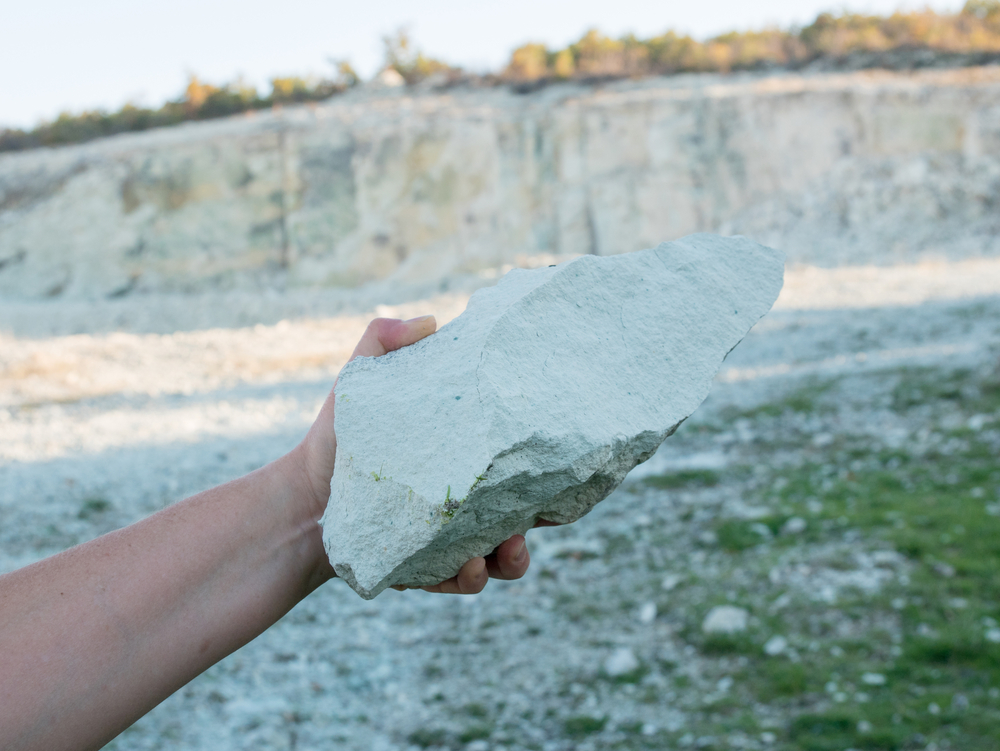
shutterstock_739361290.jpg
Zeolite is starting to find a newfound popularity as markets start to lean toward traditional and natural remedies

Zeolite, a microporous, aluminosilicate mineral, is formed from volcanic ash and ocean salt that solidify over thousands of years. This remarkable compound has been used for centuries for its ability to absorb, hold, release, and exchange different chemicals, nutrients, toxins, and ions according to need. Its unique crystalline lattice structure makes it a highly effective detox agent.

How does zeolite work? Its mechanism is anchored on a simple, yet efficient, property—cation-exchange. The structure of natural zeolites contains negatively charged cages that attract and irreversibly bind positively charged particles, like heavy metals and various toxins, effectively removing them from the body. The selectivity of zeolites is determined by their pore size and the characteristics of the cations they contain.

In the Philippine context, where we are exposed to myriad environmental pollutants, toxins from food and water, and stresses of urban living, zeolite could be a vital addition to our detoxification regimen. Numerous studies suggest that clinoptilolite, a specific type of zeolite, can aid in removing heavy metals, such as lead, mercury, and cadmium from the body. While our bodies have natural detoxification systems, such as the liver and kidneys, certain conditions overwhelm these systems, hence the need for additional support.

The medical benefits of zeolite extend to its promising potential in battling oxidative stress, which plays a significant role in the pathophysiology of numerous diseases, including diabetes, heart disease, and cancer. Zeolite’s antioxidant properties can help neutralize free radicals, thereby mitigating oxidative damage, an underrated aspect of our pervasive battle against chronic diseases.

Is zeolite safe? The short answer is, when sourced and used appropriately, yes. Natural zeolites used in medical applications undergo rigorous cleaning and micronization processes, ensuring that they are safe for human consumption. It is crucial, however, to consult with a healthcare professional before starting any form of supplementation, particularly given the variations in purity and composition of zeolite products in the market.

Locally, the rise in interest toward traditional and natural remedies signals an environment ripe for the integration of zeolite in our daily health maintenance routines. It is a testament to our society’s return to the rediscovery of indigenous knowledge and practices, albeit supported by contemporary scientific validation.

In conclusion, while the promise of zeolite is solid and its benefits vast, it is imperative to approach its use judiciously. Balance and moderation remain the tenets of a sound health philosophy, and any detoxification efforts should be part of a comprehensive lifestyle approach. As we navigate our collective wellness journey, let us remember that respect for our body’s complexity and its innate healing wisdom should guide our choices toward the path of optimal health.


Related Tags

zeolite Health and Wellbeing
ADVERTISEMENT
.most-popular .layout-ratio{ padding-bottom: 79.13%; } @media (min-width: 768px) and (max-width: 1024px) { .widget-title { font-size: 15px !important; } }

{{ articles_filter_1561_widget.title }}

.most-popular .layout-ratio{ padding-bottom: 79.13%; } @media (min-width: 768px) and (max-width: 1024px) { .widget-title { font-size: 15px !important; } }

{{ articles_filter_1562_widget.title }}

.most-popular .layout-ratio{ padding-bottom: 79.13%; } @media (min-width: 768px) and (max-width: 1024px) { .widget-title { font-size: 15px !important; } }

{{ articles_filter_1563_widget.title }}

{{ articles_filter_1564_widget.title }}

.mb-article-details { position: relative; } .mb-article-details .article-body-preview, .mb-article-details .article-body-summary{ font-size: 17px; line-height: 30px; font-family: "Libre Caslon Text", serif; color: #000; } .mb-article-details .article-body-preview iframe , .mb-article-details .article-body-summary iframe{ width: 100%; margin: auto; } .read-more-background { background: linear-gradient(180deg, color(display-p3 1.000 1.000 1.000 / 0) 13.75%, color(display-p3 1.000 1.000 1.000 / 0.8) 30.79%, color(display-p3 1.000 1.000 1.000) 72.5%); position: absolute; height: 200px; width: 100%; bottom: 0; display: flex; justify-content: center; align-items: center; padding: 0; } .read-more-background a{ color: #000; } .read-more-btn { padding: 17px 45px; font-family: Inter; font-weight: 700; font-size: 18px; line-height: 16px; text-align: center; vertical-align: middle; border: 1px solid black; background-color: white; } .hidden { display: none; }
function initializeAllSwipers() { // Get all hidden inputs with cms_article_id document.querySelectorAll('[id^="cms_article_id_"]').forEach(function (input) { const cmsArticleId = input.value; const articleSelector = '#article-' + cmsArticleId + ' .body_images'; const swiperElement = document.querySelector(articleSelector); if (swiperElement && !swiperElement.classList.contains('swiper-initialized')) { new Swiper(articleSelector, { loop: true, pagination: false, navigation: { nextEl: '#article-' + cmsArticleId + ' .swiper-button-next', prevEl: '#article-' + cmsArticleId + ' .swiper-button-prev', }, }); } }); } setTimeout(initializeAllSwipers, 3000); const intersectionObserver = new IntersectionObserver( (entries) => { entries.forEach((entry) => { if (entry.isIntersecting) { const newUrl = entry.target.getAttribute("data-url"); if (newUrl) { history.pushState(null, null, newUrl); let article = entry.target; // Extract metadata const author = article.querySelector('.author-section').textContent.replace('By', '').trim(); const section = article.querySelector('.section-info ').textContent.replace(' ', ' '); const title = article.querySelector('.article-title h1').textContent; // Parse URL for Chartbeat path format const parsedUrl = new URL(newUrl, window.location.origin); const cleanUrl = parsedUrl.host + parsedUrl.pathname; // Update Chartbeat configuration if (typeof window._sf_async_config !== 'undefined') { window._sf_async_config.path = cleanUrl; window._sf_async_config.sections = section; window._sf_async_config.authors = author; } // Track virtual page view with Chartbeat if (typeof pSUPERFLY !== 'undefined' && typeof pSUPERFLY.virtualPage === 'function') { try { pSUPERFLY.virtualPage({ path: cleanUrl, title: title, sections: section, authors: author }); } catch (error) { console.error('ping error', error); } } // Optional: Update document title if (title && title !== document.title) { document.title = title; } } } }); }, { threshold: 0.1 } ); function showArticleBody(button) { const article = button.closest("article"); const summary = article.querySelector(".article-body-summary"); const body = article.querySelector(".article-body-preview"); const readMoreSection = article.querySelector(".read-more-background"); // Hide summary and read-more section summary.style.display = "none"; readMoreSection.style.display = "none"; // Show the full article body body.classList.remove("hidden"); } document.addEventListener("DOMContentLoaded", () => { let loadCount = 0; // Track how many times articles are loaded const offset = [1, 2, 3, 4, 5, 6, 7, 8, 9, 10]; // Offset values const currentUrl = window.location.pathname.substring(1); let isLoading = false; // Prevent multiple calls if (!currentUrl) { console.log("Current URL is invalid."); return; } const sentinel = document.getElementById("load-more-sentinel"); if (!sentinel) { console.log("Sentinel element not found."); return; } function isSentinelVisible() { const rect = sentinel.getBoundingClientRect(); return ( rect.top < window.innerHeight && rect.bottom >= 0 ); } function onScroll() { if (isLoading) return; if (isSentinelVisible()) { if (loadCount >= offset.length) { console.log("Maximum load attempts reached."); window.removeEventListener("scroll", onScroll); return; } isLoading = true; const currentOffset = offset[loadCount]; window.loadMoreItems().then(() => { let article = document.querySelector('#widget_1690 > div:nth-last-of-type(2) article'); intersectionObserver.observe(article) loadCount++; }).catch(error => { console.error("Error loading more items:", error); }).finally(() => { isLoading = false; }); } } window.addEventListener("scroll", onScroll); });

Sign up by email to receive news.