

ADVERTISEMENT

Growing threat to aquatic health: DOST cites microplastics' harmful impact on PH's milkfish

Published Jan 29, 2024 12:19 pm

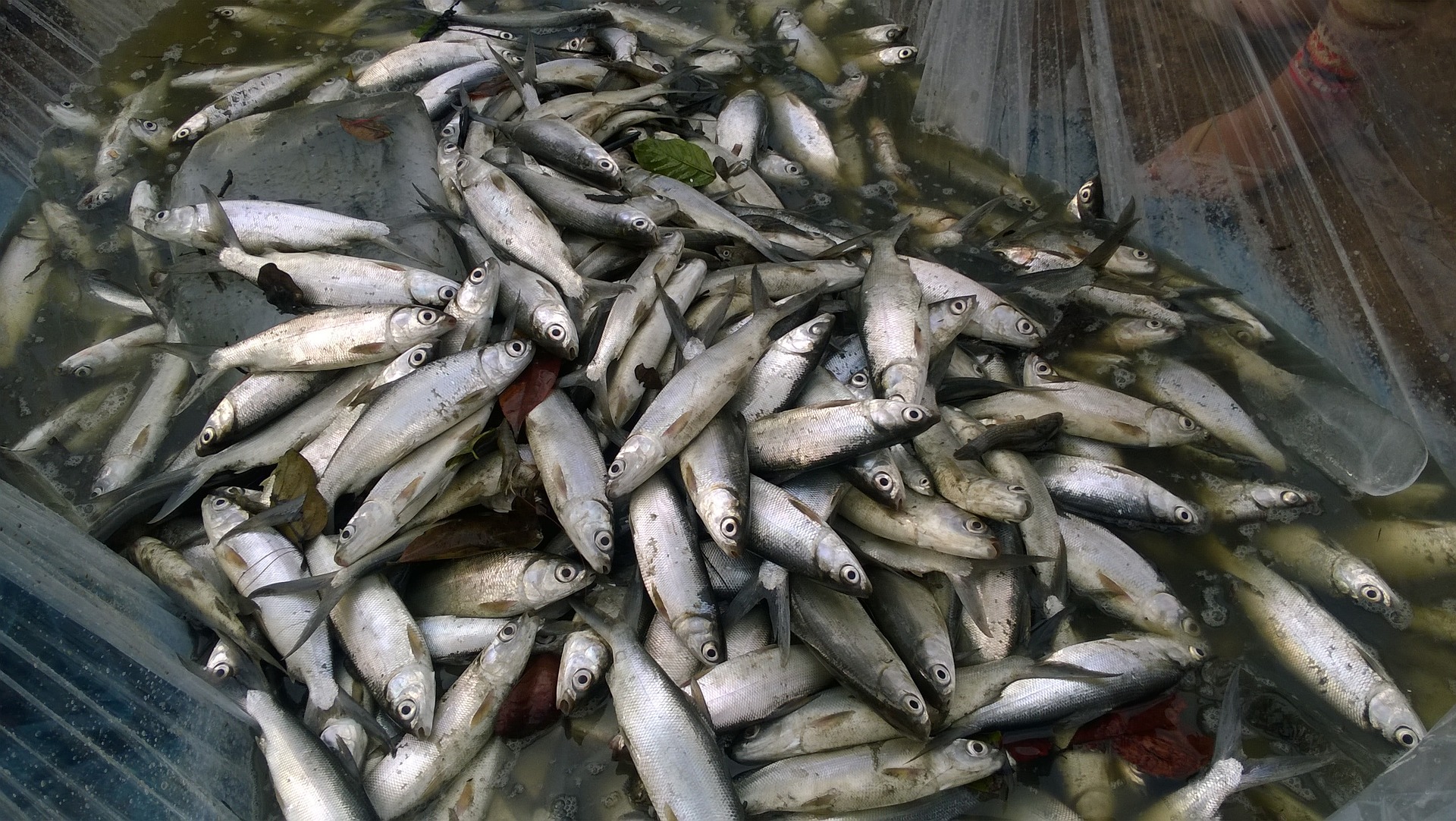
The alarming danger of microplastics has garnered global attention, raising widespread concerns about its potential impact on the Philippines' national fish, the milkfish or "bangus."
3 (1).jpg
(Aybanreyes / Pixabay)

Microplastics are tiny plastic particles measuring less than five millimeters and have infiltrated various ecosystems, including oceans and rivers.

These microchemicals originate from different sources, such as plastic waste, synthetic fibers, and microbeads in personal care products.

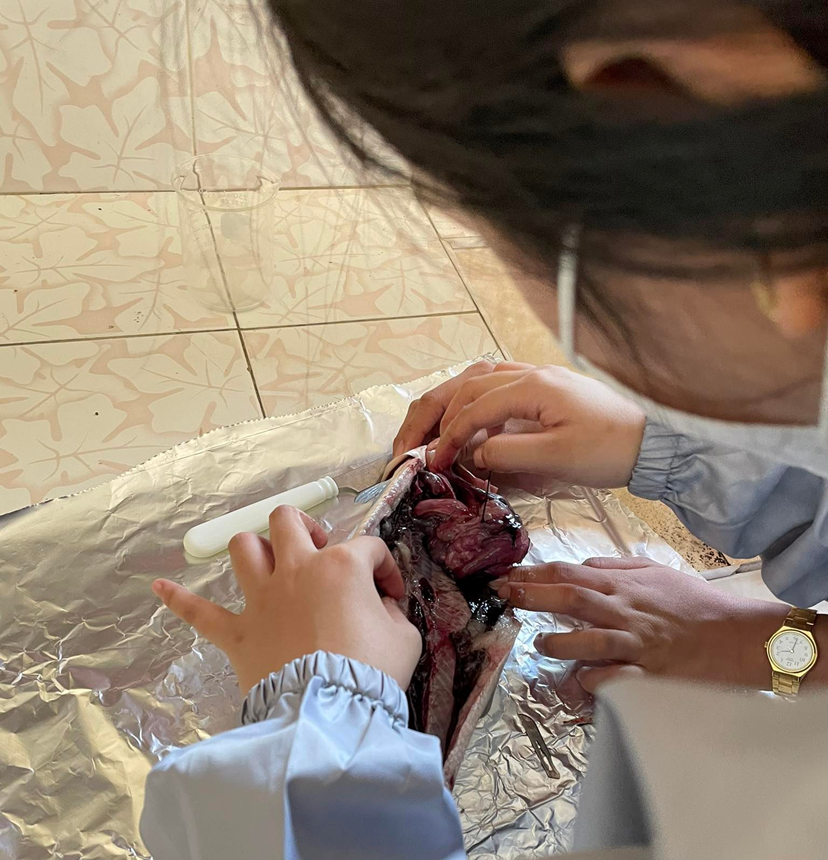
To address this alarming concern, the Department of Science and Technology-National Research Council of the Philippines (DOST-NRCP) conducted a study released on Jan. 28.
Milkfish DOST.png
Photo from DOST-NRCP

Spearheaded by Dr. Rey Y. Capangpangan, the research is one of the department's ongoing projects under the Saganang Pagkain para sa Lahat (SAPAT) program of the National Basic Research Agenda (NIBRA).

During the study, researchers discovered concentrations of microplastics in milkfish samples. According to them, this finding suggests the widespread presence of plastic pollution in the aquatic environment.

"Out of the 383 extracted particles from 30 'Bangus' individuals from sampling sites in a selected site in Mindanao, 235 were confirmed to have microplastics," the research read.

Marybeth Hope Banda, a research team member, explained that while microplastics themselves may not be inherently toxic, their "chemical nature" still allows them to attract and accumulate other toxic substances on their surfaces.

She then explained that these tiny plastic particles can be ingested by marine organisms, including fish, and can accumulate in their digestive system, whereas this can potentially harm the fish and "pose a risk" to human health if the contaminated fish are consumed.

Meanwhile, earlier studies have observed that microplastics found in fish can lead to structural damage in the intestine, liver, gills, and brain, affecting metabolic balance, behavior, and fertility.

These microplastics can also make the fish feel full, which may reduce their appetite and affect their ability to consume enough nutrients for normal growth.

However, researchers added that the extent of these negative effects is determined by the size and amount of particles and the duration and frequency of exposure.

"Dietary exposure to microplastics cannot be estimated because particle toxicity data of microplastics are not yet available, an estimation of the potential risks of microplastic particles in food is not yet possible," the study added.

The toxicity depends on the amount consumed, although some particles are small enough to penetrate human tissue.

Moreover, the research noted that the scope of this impact on milkfish and its implications for human consumption was "yet to be determined."

Microplastic pollution mitigation

Furthermore, Capangpangan emphasized that the people of the Philippines, residing in an archipelagic nation and heavily dependent on its fresh and marine water resources, are at risk of consuming aquatic organisms contaminated with microplastics.

"With this data, we can start to see the extent of microplastic pollution and start its mitigation," she said.

Capangpangan then emphasized that simply counting microplastics is "not enough" to address this issue.

She then suggested that establishing a consistent protocol for the toxicity threshold level is crucial in determining their impact on human health.

Reduce plastic pollution

For this reason, she has called other researchers in the same field to work together and create a standardized protocol for determining the effect of ingested microplastics on humans.

In addition, Capangpangan noted that it is essential to take action to reduce plastic pollution at its source.

These include reducing single-use plastics, promoting recycling and proper waste management practices, and supporting initiatives to clean oceans and rivers.

Related Tags

microplastics bangus department of science and technology - national research council of the philippines (DOST-NRCP)
ADVERTISEMENT
.most-popular .layout-ratio{ padding-bottom: 79.13%; } @media (min-width: 768px) and (max-width: 1024px) { .widget-title { font-size: 15px !important; } }

{{ articles_filter_1561_widget.title }}

.most-popular .layout-ratio{ padding-bottom: 79.13%; } @media (min-width: 768px) and (max-width: 1024px) { .widget-title { font-size: 15px !important; } }

{{ articles_filter_1562_widget.title }}

.most-popular .layout-ratio{ padding-bottom: 79.13%; } @media (min-width: 768px) and (max-width: 1024px) { .widget-title { font-size: 15px !important; } }

{{ articles_filter_1563_widget.title }}

{{ articles_filter_1564_widget.title }}

.mb-article-details { position: relative; } .mb-article-details .article-body-preview, .mb-article-details .article-body-summary{ font-size: 17px; line-height: 30px; font-family: "Libre Caslon Text", serif; color: #000; } .mb-article-details .article-body-preview iframe , .mb-article-details .article-body-summary iframe{ width: 100%; margin: auto; } .read-more-background { background: linear-gradient(180deg, color(display-p3 1.000 1.000 1.000 / 0) 13.75%, color(display-p3 1.000 1.000 1.000 / 0.8) 30.79%, color(display-p3 1.000 1.000 1.000) 72.5%); position: absolute; height: 200px; width: 100%; bottom: 0; display: flex; justify-content: center; align-items: center; padding: 0; } .read-more-background a{ color: #000; } .read-more-btn { padding: 17px 45px; font-family: Inter; font-weight: 700; font-size: 18px; line-height: 16px; text-align: center; vertical-align: middle; border: 1px solid black; background-color: white; } .hidden { display: none; }
function initializeAllSwipers() { // Get all hidden inputs with cms_article_id document.querySelectorAll('[id^="cms_article_id_"]').forEach(function (input) { const cmsArticleId = input.value; const articleSelector = '#article-' + cmsArticleId + ' .body_images'; const swiperElement = document.querySelector(articleSelector); if (swiperElement && !swiperElement.classList.contains('swiper-initialized')) { new Swiper(articleSelector, { loop: true, pagination: false, navigation: { nextEl: '#article-' + cmsArticleId + ' .swiper-button-next', prevEl: '#article-' + cmsArticleId + ' .swiper-button-prev', }, }); } }); } setTimeout(initializeAllSwipers, 3000); const intersectionObserver = new IntersectionObserver( (entries) => { entries.forEach((entry) => { if (entry.isIntersecting) { const newUrl = entry.target.getAttribute("data-url"); if (newUrl) { history.pushState(null, null, newUrl); let article = entry.target; // Extract metadata const author = article.querySelector('.author-section').textContent.replace('By', '').trim(); const section = article.querySelector('.section-info ').textContent.replace(' ', ' '); const title = article.querySelector('.article-title h1').textContent; // Parse URL for Chartbeat path format const parsedUrl = new URL(newUrl, window.location.origin); const cleanUrl = parsedUrl.host + parsedUrl.pathname; // Update Chartbeat configuration if (typeof window._sf_async_config !== 'undefined') { window._sf_async_config.path = cleanUrl; window._sf_async_config.sections = section; window._sf_async_config.authors = author; } // Track virtual page view with Chartbeat if (typeof pSUPERFLY !== 'undefined' && typeof pSUPERFLY.virtualPage === 'function') { try { pSUPERFLY.virtualPage({ path: cleanUrl, title: title, sections: section, authors: author }); } catch (error) { console.error('ping error', error); } } // Optional: Update document title if (title && title !== document.title) { document.title = title; } } } }); }, { threshold: 0.1 } ); function showArticleBody(button) { const article = button.closest("article"); const summary = article.querySelector(".article-body-summary"); const body = article.querySelector(".article-body-preview"); const readMoreSection = article.querySelector(".read-more-background"); // Hide summary and read-more section summary.style.display = "none"; readMoreSection.style.display = "none"; // Show the full article body body.classList.remove("hidden"); } document.addEventListener("DOMContentLoaded", () => { let loadCount = 0; // Track how many times articles are loaded const offset = [1, 2, 3, 4, 5, 6, 7, 8, 9, 10]; // Offset values const currentUrl = window.location.pathname.substring(1); let isLoading = false; // Prevent multiple calls if (!currentUrl) { console.log("Current URL is invalid."); return; } const sentinel = document.getElementById("load-more-sentinel"); if (!sentinel) { console.log("Sentinel element not found."); return; } function isSentinelVisible() { const rect = sentinel.getBoundingClientRect(); return ( rect.top < window.innerHeight && rect.bottom >= 0 ); } function onScroll() { if (isLoading) return; if (isSentinelVisible()) { if (loadCount >= offset.length) { console.log("Maximum load attempts reached."); window.removeEventListener("scroll", onScroll); return; } isLoading = true; const currentOffset = offset[loadCount]; window.loadMoreItems().then(() => { let article = document.querySelector('#widget_1690 > div:nth-last-of-type(2) article'); intersectionObserver.observe(article) loadCount++; }).catch(error => { console.error("Error loading more items:", error); }).finally(() => { isLoading = false; }); } } window.addEventListener("scroll", onScroll); });

Sign up by email to receive news.