






 Philippines
National
Researchers develop early detection resistance against pests, diseases in coffee
Philippines
National
Researchers develop early detection resistance against pests, diseases in coffee
Researchers develop early detection resistance against pests, diseases in coffee


The research funded by the Department of Science and Technology – Philippine Council for Agriculture, Aquatic and Natural Resources Research and Development (DOST-PCAARRD) has developed a technology to identify local coffee varieties that are resistant to two major insect pests and diseases.
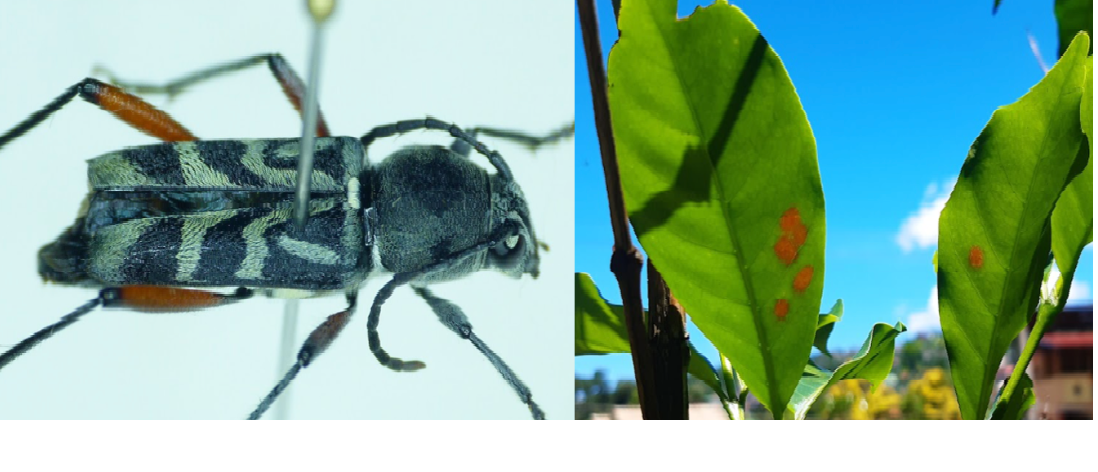
DOST-PCAARRD explained in a statement on Jan. 26 that the two-year project, led by Dr. Ernelea P. Cao of the University of the Philippines Diliman (UPD), developed two unique detection systems using Loop-mediated Isothermal Amplification (LAMP) technology, which can quickly and accurately determine whether a coffee variety is susceptible or resistant to Coffee White Stem Borer (CWSB) and Coffee Leaf Rust.
“Through LAMP-based assays, segments of the DNA associated with CWSB and CLR resistance taken from leaf samples are amplified, leading to the detection of resistance or susceptibility to the said insect pest and disease,” it said.
These breakthroughs can help growers screen coffee plants that can withstand CWSB and CLR infections, which can also aid in rehabilitating devastated coffee farms.
It also underscored that along with the Department of Agriculture-Bureau of Plant Industry (DA-BPI), DOST-PCAARRD is collaborating to create quarantine protocols aimed at preventing the transmission of pests in the coffee industry.
These protocols are highly essential as they plan to explore further validation of the protocols for developing detection kits.
The two detection systems developed by Cao's team were among the DOST- PCAARRD-funded technologies showcased at the 19th National Biotechnology Week Exhibit held in Cebu City.
The project team also collaborated with the Cavite State University (CavSU) to validate the detection systems through CavSU's coffee gene bank and other facilities.