ADVERTISEMENT

Access of the poor to higher education

Published Jan 26, 2024 04:32 pm

PAGBABAGO

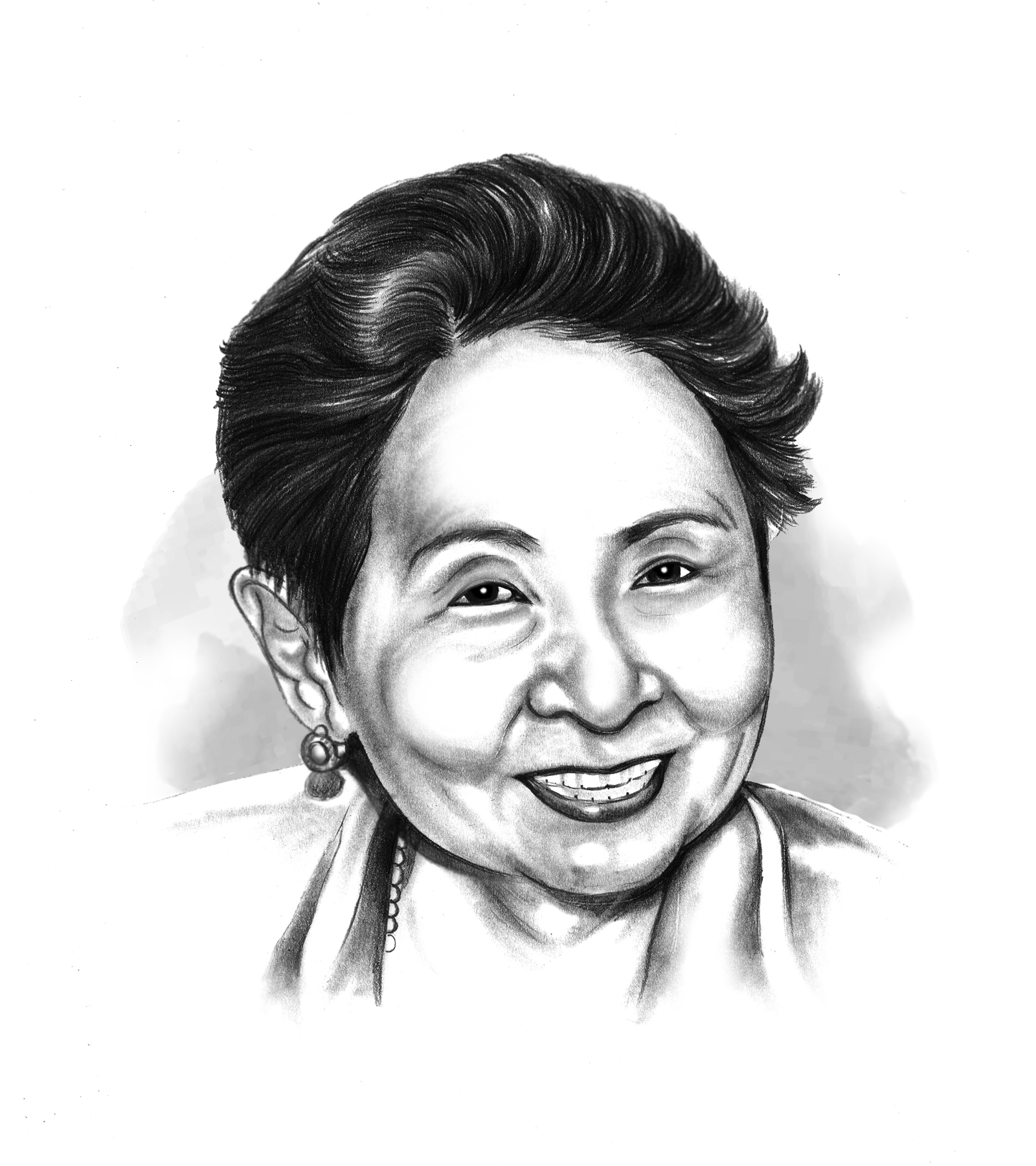
rosario braid final.jpg

While the 1987 Charter mandates the delivery of basic rights such as education, health, and justice, access to tertiary education of the poorest of the poor in the country has shrunk over the recent years.


The report of the Second Congressional Commission on Education (EDCOM II), “Miseducation: The Failed System of Philippine Education” which was submitted to both chambers of Congress detailed its recommendations on how we can improve our education system. Its observations focused on the “inequitable distribution and utilization” of resources which had resulted in “unequal access to higher education.”


These resources are the tertiary education subsidies (TES) under Republic Act No. 10931 or the Universal Access to Quality Tertiary Education Act, which were intended to widen access to free higher education by Filipino students in tertiary-level education, including those pursuing undergraduate college degrees. TES, according to the law, is supposed to cover the tuition and other school fees of students who are academically capable but financially disadvantaged. The subsidies would also cover expenses on books, school supplies, and other needs to complete their degree programs.


Unfortunately, the number of TES grantees under the extreme poverty sector continued to decline during the recent years. Too, their proportion within the total distribution had also decreased.


In 2018, 204,234 students in this category received the TES grant. This represented 74.24 of the total. However, there was a “sharp decline” to 69,887 or 30.74 percent by 2022. The data came from the 2023 report of the Unified Financial Assistance System for Tertiary Education.


However, the number of students from private higher education institutions in municipalities and cities which do not have state and local universities and colleges (SUC/LUCs or those placed with no SUC/LUC or PNSL) doubled during the same period. This difference was noteworthy, as most of the students in this category may not be impoverished. EDCOM noted that the increase both in number and proportion suggests that the TES are no longer targeted toward those who need it most. The commission therefore suggested a “reevaluation” of the definition of PNSL so that it would meet the objectives of the law.


I have not read the entire report. It is 398 pages. I merely focused on one area of concern which is the utilization of the TES or tertiary education subsidies and how this has contributed to unequal access to higher education especially among the poorest of the poor.


There are other critical factors that would affect inclusivity and inequality in higher education. A number of studies that have tried to address these concerns in the ASEAN region and elsewhere could provide further insights on achieving an inclusive and equitable educational system, among them factors such as ethnic and race, gender, disability, and sexual orientation.


An examination of a country’s success in implementing legislative provisions towards attaining equity and inclusivity is a good start in developing a framework for educational reforms. There are other concerns like the internationalization of education in our globalized world. Even before EDCOM II completes its intended task new challenges and opportunities shall have appeared on the scene.


When we were drafting the 1987 Constitution, I suggested including a provision on a framework in dealing with new information technology. But the response was that we are not yet there.


Two years later, the internet arrived with a bang. The only way we can approach our task at reform is to develop more flexible, adaptable, resilient minds, and humility.


At one time we were proud of ourselves; we were then hosts to trainees in the field of agriculture and languages. Once upon a time we were envied for being a highly literate country. But that did not last. Our performance in several global competitions had been dismal. We are now eating humble pie. But I am hopeful that we will eventually get there. ([email protected])

Related Tags

pagbabago Dr. Florangel Rosario Braid
ADVERTISEMENT
.most-popular .layout-ratio{ padding-bottom: 79.13%; } @media (min-width: 768px) and (max-width: 1024px) { .widget-title { font-size: 15px !important; } }

{{ articles_filter_1561_widget.title }}

.most-popular .layout-ratio{ padding-bottom: 79.13%; } @media (min-width: 768px) and (max-width: 1024px) { .widget-title { font-size: 15px !important; } }

{{ articles_filter_1562_widget.title }}

.most-popular .layout-ratio{ padding-bottom: 79.13%; } @media (min-width: 768px) and (max-width: 1024px) { .widget-title { font-size: 15px !important; } }

{{ articles_filter_1563_widget.title }}

{{ articles_filter_1564_widget.title }}

.mb-article-details { position: relative; } .mb-article-details .article-body-preview, .mb-article-details .article-body-summary{ font-size: 17px; line-height: 30px; font-family: "Libre Caslon Text", serif; color: #000; } .mb-article-details .article-body-preview iframe , .mb-article-details .article-body-summary iframe{ width: 100%; margin: auto; } .read-more-background { background: linear-gradient(180deg, color(display-p3 1.000 1.000 1.000 / 0) 13.75%, color(display-p3 1.000 1.000 1.000 / 0.8) 30.79%, color(display-p3 1.000 1.000 1.000) 72.5%); position: absolute; height: 200px; width: 100%; bottom: 0; display: flex; justify-content: center; align-items: center; padding: 0; } .read-more-background a{ color: #000; } .read-more-btn { padding: 17px 45px; font-family: Inter; font-weight: 700; font-size: 18px; line-height: 16px; text-align: center; vertical-align: middle; border: 1px solid black; background-color: white; } .hidden { display: none; }
function initializeAllSwipers() { // Get all hidden inputs with cms_article_id document.querySelectorAll('[id^="cms_article_id_"]').forEach(function (input) { const cmsArticleId = input.value; const articleSelector = '#article-' + cmsArticleId + ' .body_images'; const swiperElement = document.querySelector(articleSelector); if (swiperElement && !swiperElement.classList.contains('swiper-initialized')) { new Swiper(articleSelector, { loop: true, pagination: false, navigation: { nextEl: '#article-' + cmsArticleId + ' .swiper-button-next', prevEl: '#article-' + cmsArticleId + ' .swiper-button-prev', }, }); } }); } setTimeout(initializeAllSwipers, 3000); const intersectionObserver = new IntersectionObserver( (entries) => { entries.forEach((entry) => { if (entry.isIntersecting) { const newUrl = entry.target.getAttribute("data-url"); if (newUrl) { history.pushState(null, null, newUrl); let article = entry.target; // Extract metadata const author = article.querySelector('.author-section').textContent.replace('By', '').trim(); const section = article.querySelector('.section-info ').textContent.replace(' ', ' '); const title = article.querySelector('.article-title h1').textContent; // Parse URL for Chartbeat path format const parsedUrl = new URL(newUrl, window.location.origin); const cleanUrl = parsedUrl.host + parsedUrl.pathname; // Update Chartbeat configuration if (typeof window._sf_async_config !== 'undefined') { window._sf_async_config.path = cleanUrl; window._sf_async_config.sections = section; window._sf_async_config.authors = author; } // Track virtual page view with Chartbeat if (typeof pSUPERFLY !== 'undefined' && typeof pSUPERFLY.virtualPage === 'function') { try { pSUPERFLY.virtualPage({ path: cleanUrl, title: title, sections: section, authors: author }); } catch (error) { console.error('ping error', error); } } // Optional: Update document title if (title && title !== document.title) { document.title = title; } } } }); }, { threshold: 0.1 } ); function showArticleBody(button) { const article = button.closest("article"); const summary = article.querySelector(".article-body-summary"); const body = article.querySelector(".article-body-preview"); const readMoreSection = article.querySelector(".read-more-background"); // Hide summary and read-more section summary.style.display = "none"; readMoreSection.style.display = "none"; // Show the full article body body.classList.remove("hidden"); } document.addEventListener("DOMContentLoaded", () => { let loadCount = 0; // Track how many times articles are loaded const offset = [1, 2, 3, 4, 5, 6, 7, 8, 9, 10]; // Offset values const currentUrl = window.location.pathname.substring(1); let isLoading = false; // Prevent multiple calls if (!currentUrl) { console.log("Current URL is invalid."); return; } const sentinel = document.getElementById("load-more-sentinel"); if (!sentinel) { console.log("Sentinel element not found."); return; } function isSentinelVisible() { const rect = sentinel.getBoundingClientRect(); return ( rect.top < window.innerHeight && rect.bottom >= 0 ); } function onScroll() { if (isLoading) return; if (isSentinelVisible()) { if (loadCount >= offset.length) { console.log("Maximum load attempts reached."); window.removeEventListener("scroll", onScroll); return; } isLoading = true; const currentOffset = offset[loadCount]; window.loadMoreItems().then(() => { let article = document.querySelector('#widget_1690 > div:nth-last-of-type(2) article'); intersectionObserver.observe(article) loadCount++; }).catch(error => { console.error("Error loading more items:", error); }).finally(() => { isLoading = false; }); } } window.addEventListener("scroll", onScroll); });

Sign up by email to receive news.