







Phivolcs records more quakes at Bulusan Volcano


The Philippine Institute of Volcanology and Seismology (Phivolcs) observed an increase in seismic activity at Bulusan Volcano early Tuesday morning, Jan. 23.
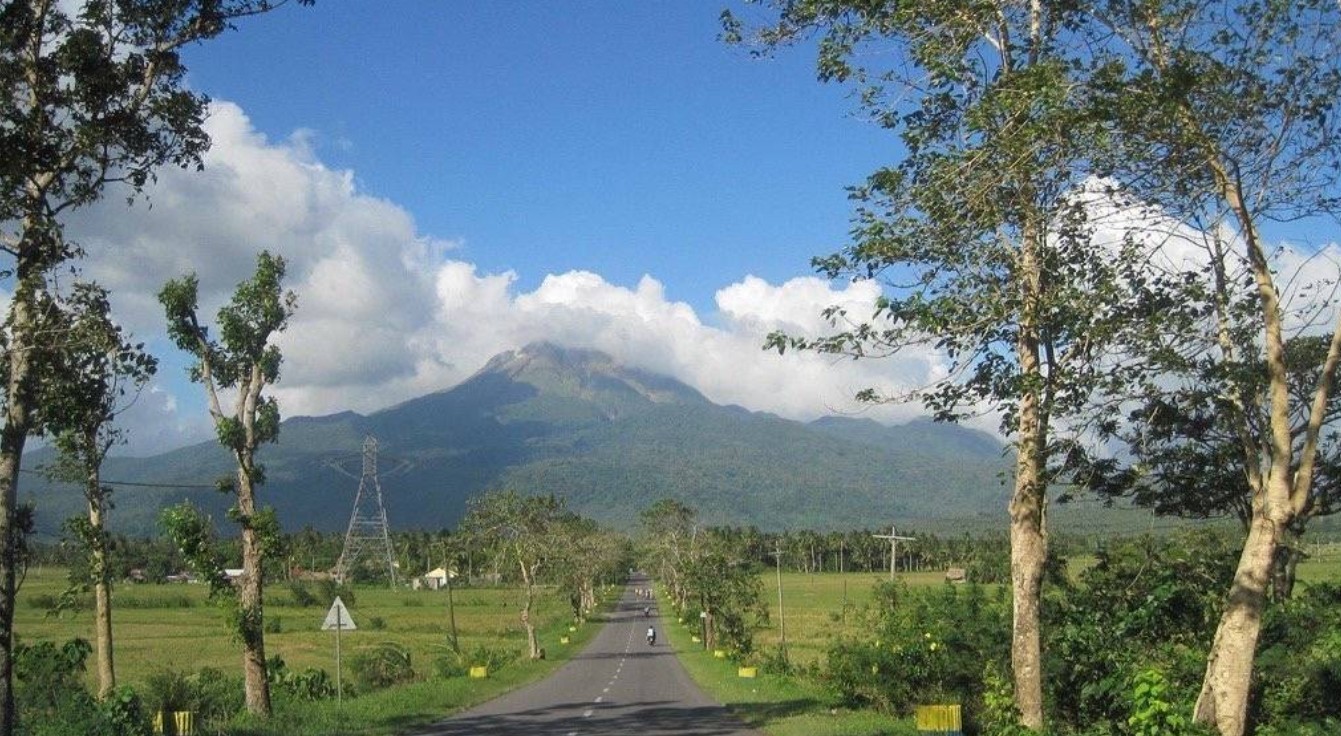
The Bulusan Volcano Network detected 91 volcano-tectonic earthquakes at 1:38 a.m., which were linked to rock fracturing events at a depth of two to four kilometers "beneath the southwestern flanks," Phivolcs said.
Meanwhile, it noted that the degassing activity was "very weak" from the summit crater and active vents, while the sulfur dioxide (SO2) emission was recorded at 202 tons per day since Jan. 18.
Phivolcs explained that the increased seismicity and pressurization of the volcano edifice may be signs of hydrothermal processes occurring beneath the volcano, which could result in steam-driven eruptions “at any of the summit vents.”
The public is reminded that Bulusan volcano is still under Alert Level 1, which means it is still at "low-level unrest with increased chances of steam-driven or phreatic eruptions."
Phivolcs warned the local government units and the public to refrain entering into the four-kilometer radius Permanent Danger Zone and the two-kilometer Extended Danger Zone (EDZ).
In addition, residents living within valleys and along river or stream channels were advised to be wary of sediment-laden stream flows and lahars in times of heavy and prolonged rainfall when phreatic eruption occurs.