






 Philippines
Metro Manila
QC gov't simplifies procedure for idle land tax exemption application
Philippines
Metro Manila
QC gov't simplifies procedure for idle land tax exemption application
QC gov't simplifies procedure for idle land tax exemption application


In line with Quezon City Mayor Joy Belmonte's advocacy to achieve food security, the city government has implemented a simplified procedure for the tax exemption of idle land being utilized for urban farming.
Belmonte approved City Ordinance SP-2972 S-2020 in 2020 that gives tax payment exemption to landowners who allotted their idle lands in the city for urban agriculture use ( including gardening and composting) for a minimum of three years.
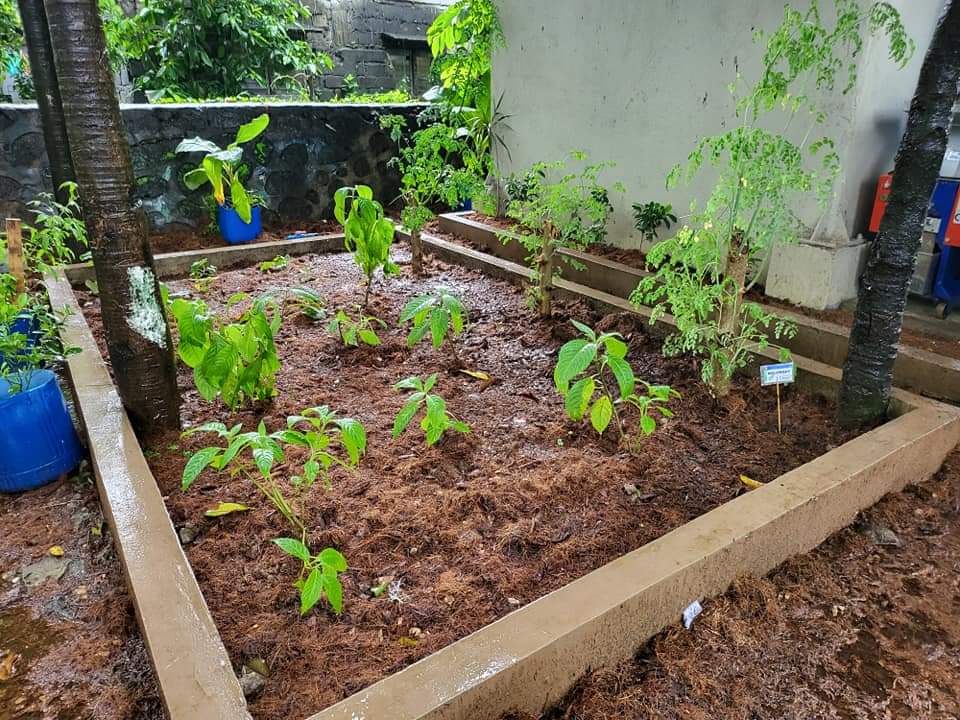
The city government said that in the simplified process, landowners interested in applying for idle land tax exemption must submit an application letter, a duly accomplished application for waiver of idle land tax for food security, the latest photos of their property, and at least one copy of their latest real property tax (RPT) official receipt/ tax bill; tax declaration; or land title to the QC Food Security Task Force (FSTF) email address ([email protected].).
The FSTF will assess the application form and supporting documents, and an inspector will validate the application by visiting the idle land.
The applicant will be issued an Urban Agriculture Activity Certification (UAAC) signed by the city mayor, indicating that the landowner has already initiated urban agriculture activities on the land. This certification will then be forwarded to the City Assessor's Office (CAO) for Idle Land Tax delisting.
For other details regarding the application, interested land owners may check the link https://quezoncity.gov.ph/wp-content/uploads/2024/01/Guidelines-for-Idle-Land-Tax-for-Food-Security_2024.pdf.
“In order to strengthen our advocacy of achieving food security, landowners with idle lands that will be converted to urban farms need only to submit a one-time application to the city government. This is a win-win solution for both the landowners and the city,” Belmonte said.
“We highly encourage landowners of idle lands to make use of their land for urban agriculture, which can help the city achieve its food security goals, especially now that we simplified our process,” QC-FSTF Co-Chairperson Emmanuel Hugh Velasco said.
The urban farming program was launched in 2010 to utilize idle lands in the city, promote the advocacy on food security, and provide livelihood to city residents.
The city government said there are 1,026 urban farms established in the city as of December 2023, which are being managed by 25,650 urban farmers.
The produce from their lands can be used for personal or public consumption, the local government said.