







PUV modernization program a 'resounding success', says Guadiz


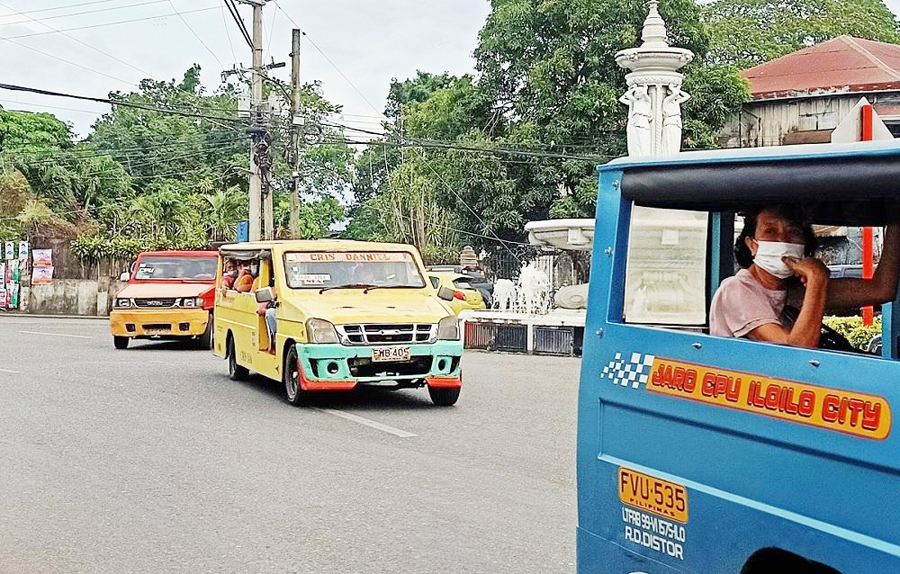
Despite fierce criticism from several transportation stakeholders, the Public Utility Vehicle Modernization Program (PUVMP) was touted as a "resounding success" by the Land Transportation Franchising and Regulatory Board (LTFRB).
LTFRB Chairman Teofilo Guadiz III made the assessment in a press briefing on Friday, Jan. 19, where he emphasized that a total of 76.6 percent of all Public Utility Jeepneys (PUJs) and Utility Vehicle (UV) Express operating in fixed routes nationwide, or around 145,721 units, have consolidated to become part of a corporation or cooperative under the modernization program.
"It is a resounding success for us dahil ang target rate lang namin ay 70 percent (because our target rate is only 70 percent). Marami po ang sumanib sa programa, marami po ang naniwala sa programa (Many have joined the program, many believed in the program)," he said.
Guadiz likewise eased public fears that there would be a transport crisis by January 31 when the grace period for unconsolidated PUVs to operate officially ends.
Transport group Manibela had said it will hold a transport strike on Dec. 29 to 31 to paralyze the transport system and express their dissent on the government's modernization program, which has been dubbed as "anti-poor" by the critics. Those who defy the program are claiming that many drivers and operators will not be able to buy the modern jeepneys which amount to millions per unit.
"In Metro Manila, ang rate ng consolidation is 97 percent. Ibig sabihin marami sa rutang bumabaybay ngayon ay mayroon pong tatakbo ng February 1 (In Metron Manila, the consolidation rate is at 97 percent. that means many routes will have operational units on February 1)," the LTFRB chief said.
Guadiz said he also coordinated with different law enforcement agencies such as the Land Transportation Office (LTO), Metropolitan Manila Development Authority (MMDA), and Philippine National Police (PNP) "to maintain peace and order during the transition period from January 31 up to February.
"We want to make sure that no violent incident will occur on our roads," he noted.
According to Guadiz, there are around 1,000 routes nationwide that did not consolidate as part of the modernization program.
In Metro Manila alone, the LTFRB said that there are around 300 unconsolidated routes but majority of these are considered as short distance routes or duplicate routes which may be serviced by longer routes that have consolidated.
"Yung listahan ng unconsolidated routes is around 300 pero na-map out namin ang ruta na walang nagconsolidate (The list of unconsolidated routes is around 300 but we mapped out these routes that have no conslidated PUVs) and most of these are short distance routes. Ganoon ka fragmented ang public transport system (That's how fragmented the public transport system is)," said LTFRB National Capital Region (NCR) Director Zona Russet Tamayo.
"'Yung short distance routes na walang nagconsolidate, mayroong longer distance routes na maaaring sumalo sa kanila. Mayroon din kalapit na ruta ito na pwedeng option ng ating pasahero (The short distance routes that have no consolidated PUVs, there are longer distance routes that can service them. There are also nearby routes that can be used as other options by our passengers)," she added.
Coop heads back LTFRB
In the same public briefing, representatives of various transport cooperatives who already consolidated expressed support for the PUV modernization program.
Edmundo Cadavona, chairman of Pandacan Transport Service Multi-Purpose Cooperative traversing the Pandacan route in Manila, said his more than 120 employees including drivers have fixed salaries now as well as overtime pay; social benefits like Social Security System (SSS), Philhealth, and Pag-Ibig; and 13th month pay and bonus during Christmas season, which he deems better than the boundary system in the previous cooperative he handled.
Ferdinand Lupangosy, chairman of 997 Sandigan Transport Service Cooperative, and Ramil Padrigo, chairman of CURODA Transport Service Cooperative, highlighted the dispatching system being observed by the cooperative that they handle which ensures that the jeepneys are running from end-to-end points to avoid trip cutting.
Different from the traditional practice where jeepneys wait for long period of time to fill the seats, the jeepneys under the dispatching system only have to wait for a fixed time (three to five minutes) before they are directed to run by a dispatcher. The jeepneys shall reach its end point before going back to the original route.
"Sa pagsunod po namin sa modernization, ang aming pong mga dispatching systems ay maayos at nakakapagbigay po kami ng serbisyo sa kapwa pasahero nang hindi nag-aagawan sa ruta (By adhering to the modernization program, our dispatching systems are organized and we are not scrambling for passengers)," said Lupangosy, who handles 35 modern units that are used by 65 drivers, 65 conductors, and 16 allied workers.
"Dapat po suportahan natin ang modernization dahil napakalaking pagbabago po. Matutulungan ang bawat Pilipinong drayber at tataas ang antas ng pampublikong pantransportasyon para sa mga mananakay (We need to support the modernization program because of the big change it brings. It will help each Filipino driver and elevate the lvel of public transportation for the passengers)," Padrigo noted.
For Taguig Transport Service Cooperative Chairman Freddie Hernandez, the biggest takeaway he has in the modernization program is the way it helps ease pollution.
"Ang pinakaimportanteng isinaalang-alang namin dahil 'yung ating mga sasakyan ay environment-friendly po, 'yun pong kalikasan (The most important consideration is the nature because our vehicles are environment-friendly)," he said.
Lastly, Juan Transport Cooperative chairman Misael Melinas said he decided to adopt the modernization program because he could not bear to see his fellow drivers lose their jobs.
"Niyakap po namin ang programa dahil ayaw po namin na may maiwan sa amin. Karamihan po sa mga members namin matatandang drivers na. Minabuti naming yakapin ang programa para nang sa gayon, lahat po kami sama-sama hanggang umunlad ang bawat isa sa amin (We embraced the program because we don't want someone to get left behind. Majority of our members are elderly drivers. We decided to accept the program because in that way, we will be working together until all of us achieve success)," said Melinas, who manages 10 modern jeepneys plying the route Lagro, Novaliches.