

ADVERTISEMENT

Honda unveils future EVs, called 0 Series

Designing EVs from the ground up

Published Jan 19, 2024 02:59 am

Honda hopes to create a new generation of electric vehicles and previewed what they may look like at the recent Consumer Electronics Show (CES) in Las Vegas, Nevada, USA. The vehicles, called “0 (zero) series” represent a rethink of how sustainable vehicles are made by going back to the starting point: 0 (zero). Zero also represents Honda’s goal of building vehicles with “zero environmental impact” throughout its life cycle, and “zero traffic collision fatalities” involving Honda vehicles. These vehicles are hoped to be introduced to buyers by the year 2026.

EVs from the ground up
011924Honda0Series4.jpg
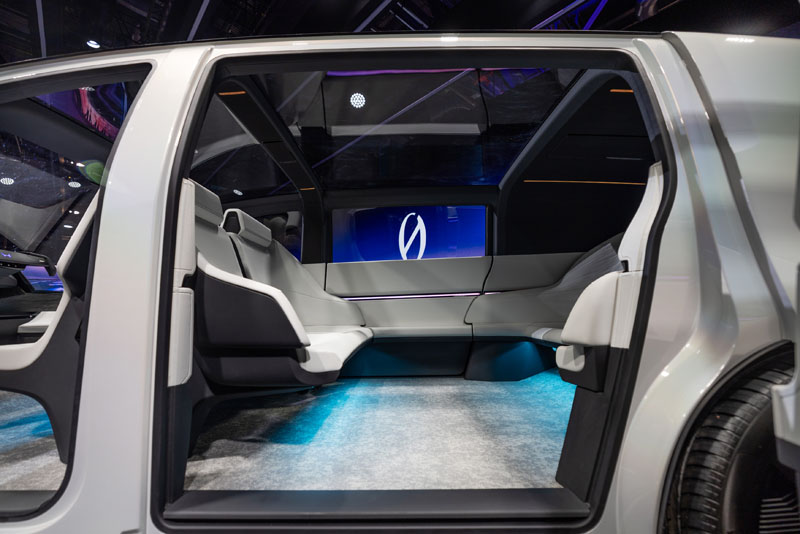
Interior of the Honda 0 Series Space-Hub

The vehicles were designed with the philosophy of “Thin, Light, and Wise.” Thin is met by using a dedicated EV platform to create a low floor height. Light is met by ensuring the vehicle retains its sporty driving characteristics despite using heavy electric-derived performance, hence being ‘light to drive’. Wise is achieved by using Honda original software that enhance driver safety, improve battery efficiency, and make the car more enjoyable for its occupants through connected technologies.

Honda has created two vehicles that epitomize these ideals: the 0 Series Saloon concept and the 0 Series Space-Hub.

Saloon
011924Honda0Series1.jpg
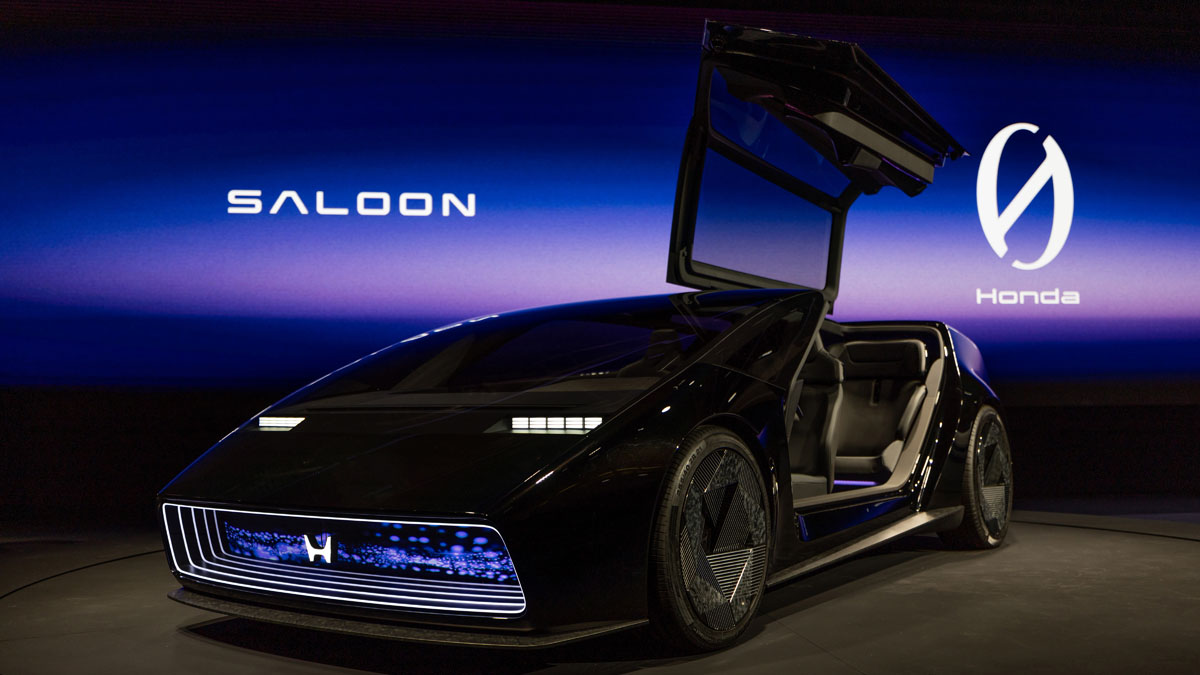
The Honda 0 Series Saloon

The Saloon embodies the “Thin, Light, and Wise” approach. It has a low height and sporty styling that sets its apart from other EVs. Still, it boasts of better than expected interior space. Moreover, the instrument panel features a human-machine interface (HMI) that enables simple and intuitive operations, realizing a sophisticated and seamless user interface (UI). With an exhilarating visibility and intuitive UI, the Saloon strives to provide a fun driving experience that resonates with the driver’s sensibility. 

With the adoption of steer-by-wire and the further advancement of the motion management system, including posture control, that Honda has amassed through the development of original robotics technologies, the Saloon aims to realize control at the will of the driver in a variety of driving situations. Furthermore, including the use of sustainable materials for the interior and exterior, the Saloon is being developed as a unique model that resonates with users and the natural environment.

Space-Hub
011924Honda0Series2.jpg
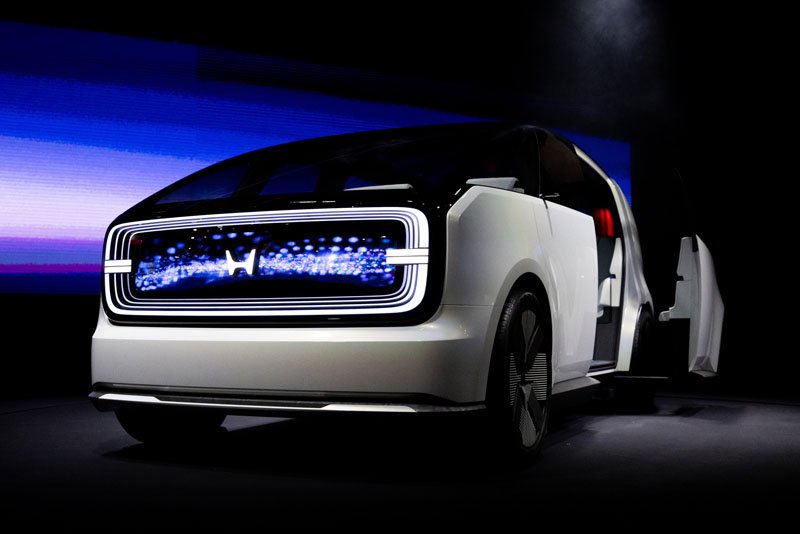
The Honda 0 Series Space-Hub

The second concept under the 0 Series is the Space-Hub. This vehicle was developed under the theme of “augmenting people’s daily lives.” Realizing a spacious cabin and excellent visibility based on the “Thin, Light, and Wise” development approach, the Space-Hub offers a flexible space that immediately accommodates what the users want to do, and becomes a hub that connects people to people and people to society, generating mutual resonance with each other.
011924Honda0Series3.jpg
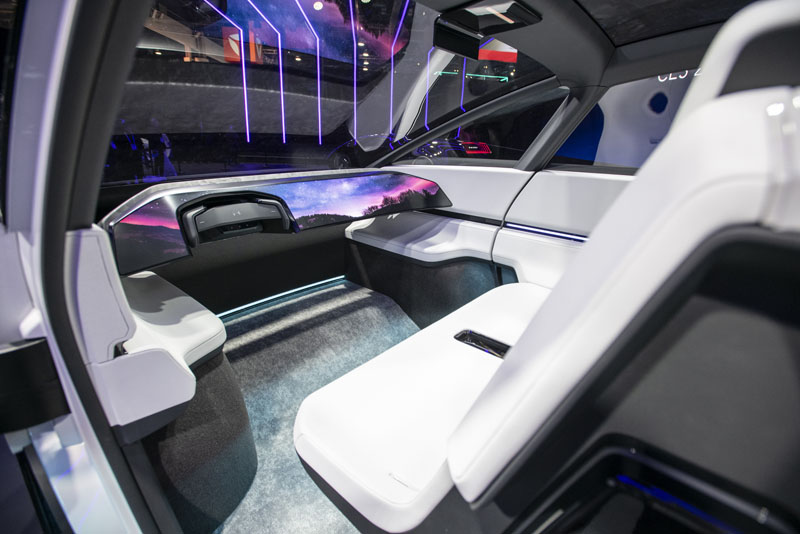
Driver's seat of the Honda 0 Series Space-Hub

With the utilization of AI and big data, the vehicle will learn the user’s preferences such as music, as well as a driver’s behaviors and tendencies while driving, and will make various suggestions. Moreover, the vehicle will provide information about the surrounding areas and route guidance for the “last mile” to the final destination that users have to travel on their own after getting off the vehicle.

With Honda’s original electrification and dynamics technologies, the Honda 0 Series models will offer the joy of driving for a new era, an uplifting feeling that comes from a sporty drive and sense of oneness the driver feels, both mentally and physically, with the vehicle.

Related Tags

Honda
ADVERTISEMENT
.most-popular .layout-ratio{ padding-bottom: 79.13%; } @media (min-width: 768px) and (max-width: 1024px) { .widget-title { font-size: 15px !important; } }

{{ articles_filter_1561_widget.title }}

.most-popular .layout-ratio{ padding-bottom: 79.13%; } @media (min-width: 768px) and (max-width: 1024px) { .widget-title { font-size: 15px !important; } }

{{ articles_filter_1562_widget.title }}

.most-popular .layout-ratio{ padding-bottom: 79.13%; } @media (min-width: 768px) and (max-width: 1024px) { .widget-title { font-size: 15px !important; } }

{{ articles_filter_1563_widget.title }}

{{ articles_filter_1564_widget.title }}

.mb-article-details { position: relative; } .mb-article-details .article-body-preview, .mb-article-details .article-body-summary{ font-size: 17px; line-height: 30px; font-family: "Libre Caslon Text", serif; color: #000; } .mb-article-details .article-body-preview iframe , .mb-article-details .article-body-summary iframe{ width: 100%; margin: auto; } .read-more-background { background: linear-gradient(180deg, color(display-p3 1.000 1.000 1.000 / 0) 13.75%, color(display-p3 1.000 1.000 1.000 / 0.8) 30.79%, color(display-p3 1.000 1.000 1.000) 72.5%); position: absolute; height: 200px; width: 100%; bottom: 0; display: flex; justify-content: center; align-items: center; padding: 0; } .read-more-background a{ color: #000; } .read-more-btn { padding: 17px 45px; font-family: Inter; font-weight: 700; font-size: 18px; line-height: 16px; text-align: center; vertical-align: middle; border: 1px solid black; background-color: white; } .hidden { display: none; }
function initializeAllSwipers() { // Get all hidden inputs with cms_article_id document.querySelectorAll('[id^="cms_article_id_"]').forEach(function (input) { const cmsArticleId = input.value; const articleSelector = '#article-' + cmsArticleId + ' .body_images'; const swiperElement = document.querySelector(articleSelector); if (swiperElement && !swiperElement.classList.contains('swiper-initialized')) { new Swiper(articleSelector, { loop: true, pagination: false, navigation: { nextEl: '#article-' + cmsArticleId + ' .swiper-button-next', prevEl: '#article-' + cmsArticleId + ' .swiper-button-prev', }, }); } }); } setTimeout(initializeAllSwipers, 3000); const intersectionObserver = new IntersectionObserver( (entries) => { entries.forEach((entry) => { if (entry.isIntersecting) { const newUrl = entry.target.getAttribute("data-url"); if (newUrl) { history.pushState(null, null, newUrl); let article = entry.target; // Extract metadata const author = article.querySelector('.author-section').textContent.replace('By', '').trim(); const section = article.querySelector('.section-info ').textContent.replace(' ', ' '); const title = article.querySelector('.article-title h1').textContent; // Parse URL for Chartbeat path format const parsedUrl = new URL(newUrl, window.location.origin); const cleanUrl = parsedUrl.host + parsedUrl.pathname; // Update Chartbeat configuration if (typeof window._sf_async_config !== 'undefined') { window._sf_async_config.path = cleanUrl; window._sf_async_config.sections = section; window._sf_async_config.authors = author; } // Track virtual page view with Chartbeat if (typeof pSUPERFLY !== 'undefined' && typeof pSUPERFLY.virtualPage === 'function') { try { pSUPERFLY.virtualPage({ path: cleanUrl, title: title, sections: section, authors: author }); } catch (error) { console.error('ping error', error); } } // Optional: Update document title if (title && title !== document.title) { document.title = title; } } } }); }, { threshold: 0.1 } ); function showArticleBody(button) { const article = button.closest("article"); const summary = article.querySelector(".article-body-summary"); const body = article.querySelector(".article-body-preview"); const readMoreSection = article.querySelector(".read-more-background"); // Hide summary and read-more section summary.style.display = "none"; readMoreSection.style.display = "none"; // Show the full article body body.classList.remove("hidden"); } document.addEventListener("DOMContentLoaded", () => { let loadCount = 0; // Track how many times articles are loaded const offset = [1, 2, 3, 4, 5, 6, 7, 8, 9, 10]; // Offset values const currentUrl = window.location.pathname.substring(1); let isLoading = false; // Prevent multiple calls if (!currentUrl) { console.log("Current URL is invalid."); return; } const sentinel = document.getElementById("load-more-sentinel"); if (!sentinel) { console.log("Sentinel element not found."); return; } function isSentinelVisible() { const rect = sentinel.getBoundingClientRect(); return ( rect.top < window.innerHeight && rect.bottom >= 0 ); } function onScroll() { if (isLoading) return; if (isSentinelVisible()) { if (loadCount >= offset.length) { console.log("Maximum load attempts reached."); window.removeEventListener("scroll", onScroll); return; } isLoading = true; const currentOffset = offset[loadCount]; window.loadMoreItems().then(() => { let article = document.querySelector('#widget_1690 > div:nth-last-of-type(2) article'); intersectionObserver.observe(article) loadCount++; }).catch(error => { console.error("Error loading more items:", error); }).finally(() => { isLoading = false; }); } } window.addEventListener("scroll", onScroll); });

Sign up by email to receive news.