







Driving around Vigan in a Dongfeng EV
The Dongfeng northern drive


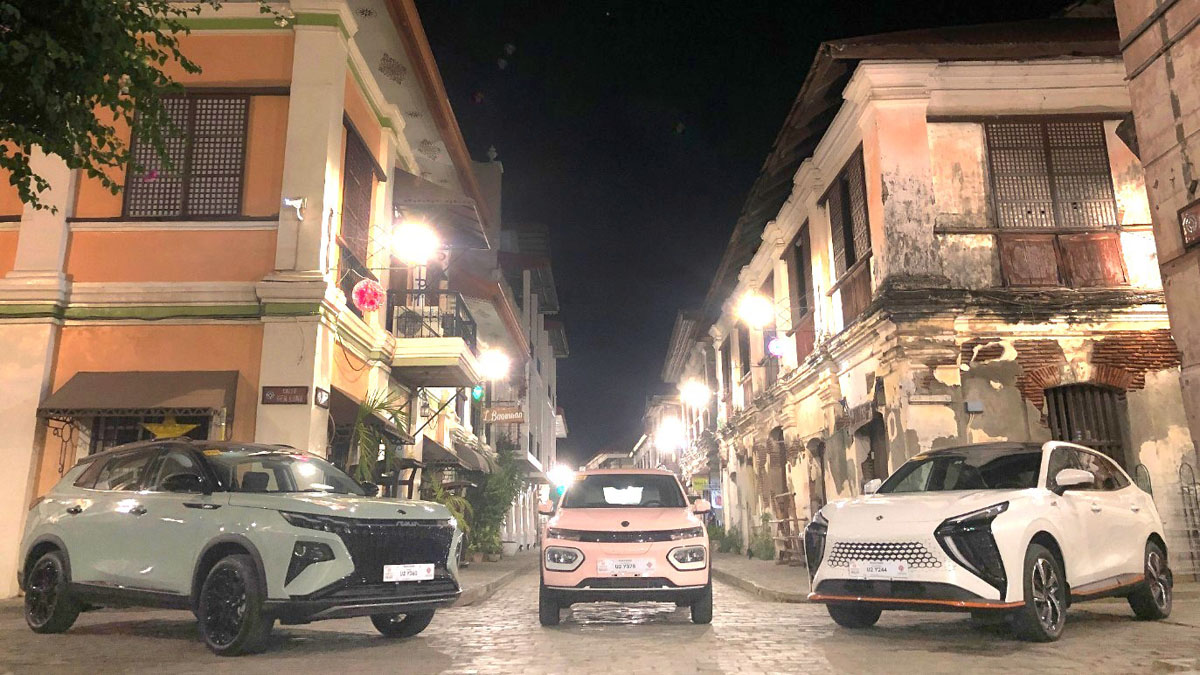
Just when we thought 2023 was closed for industry activities, we had one more trip, a quick jaunt to Ilocos Sur, with Legado Motors Inc. (LMI). They had just recently launched the Dongfeng brand of electric passenger vehicles. They currently carry the following models: the Dongfeng Nanobox EV hatchback, the Dongfeng Forthing Friday EV crossover SUV, and the Dongfeng Aeolus Huge Hybrid SUV.
Our friends from LMI were kind enough to drive us there overnight on a luxury bus, and when we arrived, their Dongfeng lineup would be waiting for us. The electric cars were also brought to Ilocos on a car carrier. This allowed them to remain fully-charged for our use. This would be a completely earth-friendly road trip around Ilocos Sur in electric vehicles and their lone hybrid.
Nanobox EV
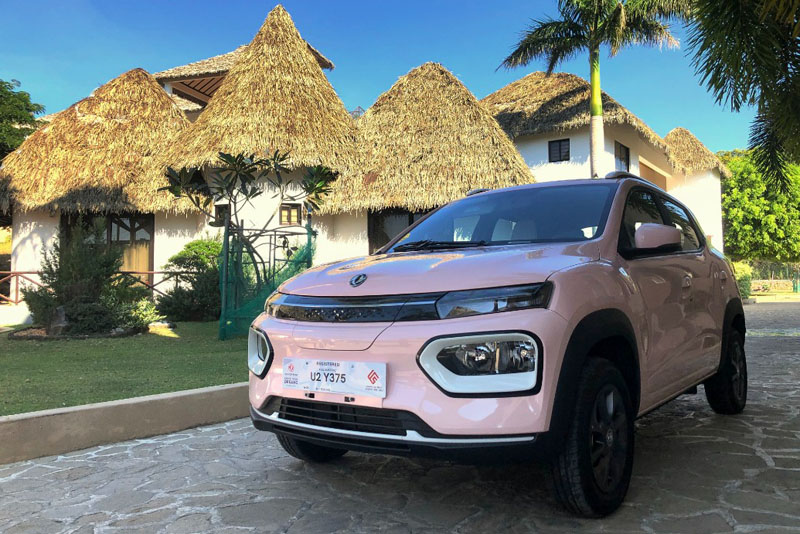
I chose to start with the Nanobox EV hatchback as this would probably be a vehicle first-time car and EV buyers would consider.
So what’s under the hood? Definitely not an engine. What it does have is a 44-hp electric motor which puts out 125-Nm of torque and drives the front wheels. This is powered by a 28.5kWh battery. The Nanobox has a top speed of 100 km/h and has a range of 351-kms, priced at P888,000. It comes in cute colors and the one I got to drive was pink. This tito in me doesn’t mind at all. This sole variant, rolls on 14-inch alloy wheels wrapped in 165/70’s.
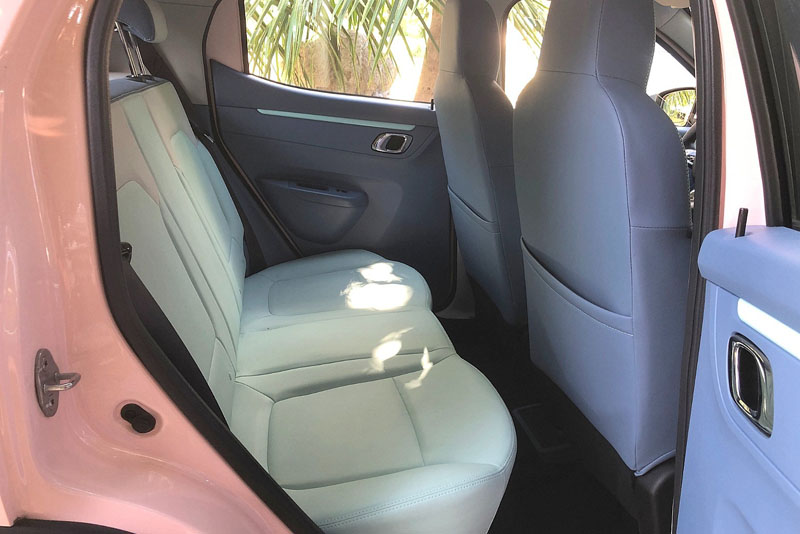
I loaded my luggage into the trunk and got into the driver’s seat. The interior is a mix of blue, green, and white hues. It’s a tad bright for my taste but you get used to it after a while as it’s meant to appeal to a younger market. The seats were comfy. In front of you is a seven-inch LCD digital instrument cluster, and next to that is the 100-inch touchscreen infotainment display.
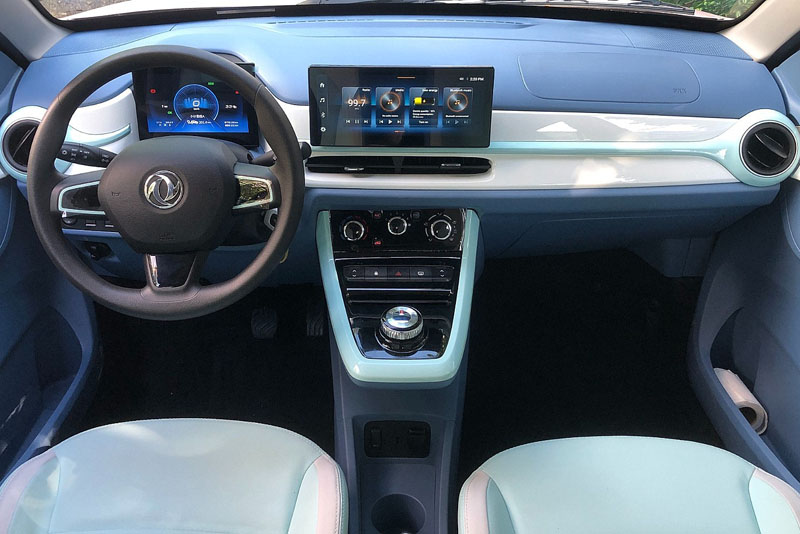
You’re probably used to a gearshift lever in most vehicles to shift to drive. The Nanobox has a rotary shift knob where you turn it from N (neutral) to D (drive) or R (reverse). This EV doesn’t have park as it doesn't have a gearbox. It also has a proper hand brake which I prefer. It didn't take long for me to get my bearings. I put the car in Eco mode to make sure the car was as frugal with the power delivery as possible. With a 351-km range and not much traffic, I was sure most of the battery power would be consumed on the go.
Safari-friendly
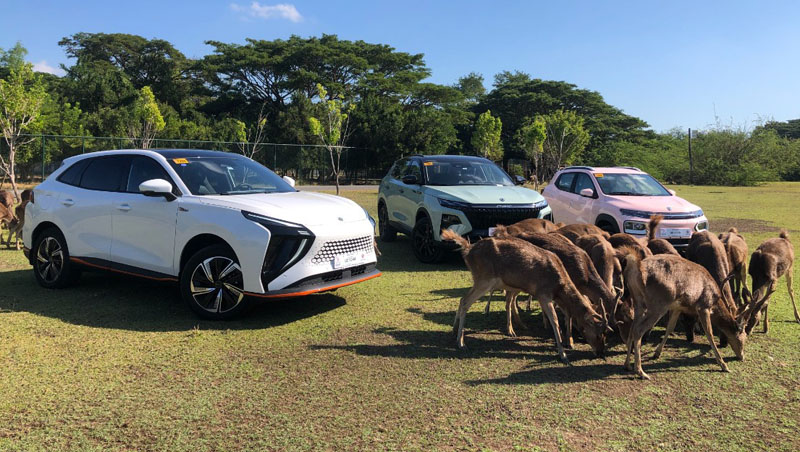
Our first destination was the Safari Hotel and Villas, a quick 10-minute drive. This was a sanctuary for vacation goers and wild animals, some of which roam freely that guests can get close to. The EVs are zero-emission so they posed no hazard to the environment and the wildlife which roamed the facility. It was not even 10 a.m. yet and the sun was out in full force, heating up Ilocos. The air conditioning of the Nanobox took care of keeping us cool.
We went to lunch at Pinakbet Farm, Caoayan, Ilocos Sur, featuring vegetables in the Ilocano dishes grown on the property. After lunch, we went on to Vigan Safari Gallery which was back at the expansive property of the Safari Hotel, and this put the cute Nanobox to the test.
Up to the challenge
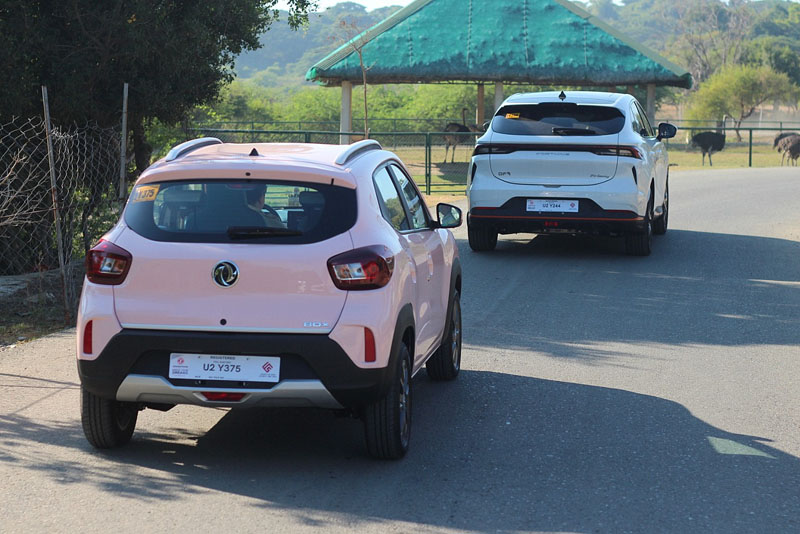
It took on rough dirt roads and some uphill portions that even gas powered cars of the same size would struggle to climb. One of the main advantages of an EV is that all its torque is delivered from a dead stop to full speed, and it really is just a matter of accelerator control to stop the wheels from slipping and maintaining traction. It got even hotter after lunch and the small car’s air conditioning continued to win the battle against the heat outside, with little effect on battery consumption.
Our second day offered a chance to stretch the legs of our EVs. We headed to Banaoang Bridge, about a 15-minute drive away. Here, we got to experience higher speeds and also experienced how regenerative braking is beneficial.
Regenerative braking recovers some energy from braking and (to a lesser extent) coasting. Knowing when to lift off the accelerator helps extend your state of charge, and can top up your charge in small percentage increments. In a way, it recharges the car as you’re driving, helping extend the range even more.
A sustainable road trip
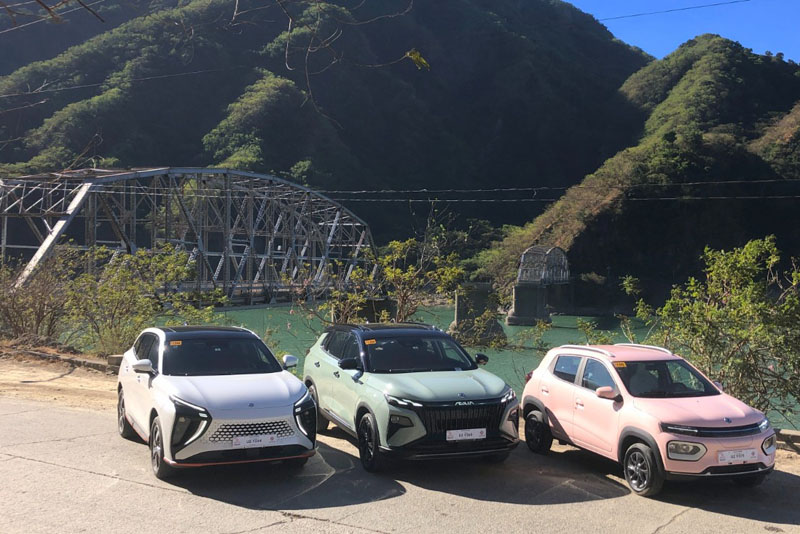
The Nanobox was a lot fun to drive, feeling very different from Internal Combustion Engine (ICE) hatchbacks. It has immediately available torque for a fun, spirited drive on some long stretches with over taking made so much easier with the power available on tap.
Going on a roadtrip in an EV does need a certain amount of planning to be able to get the same amount of enjoyment and distance on the road as you would in an ICE-powered vehicle. You’d need to know where the EV charging stations are and whether they’re AC or the fast DC chargers. While there are already charging stations in some provinces outside of Manila, more infrastructure needs to be set up to be able to serve the inevitable growing adoption of EVs.
Nonetheless, this trip was all about being eco-friendly and sustainable. It shows that mobility need not be harmful to the environment. Vigan is steeped in history being one of the few places where you can still ride a horse drawn carriage. Dongfeng brought the future of mobility here and doesn’t look out of place either.