

ADVERTISEMENT

Are you ready to be an award-winning short film director?

Your handy guide to creating a short film

Published Jan 18, 2024 11:47 am

At A Glance

  • That's the beauty of short films; their strength lies in delivering a message creatively and simply. — Sanam Saeed

If there’s anything the recent Metro Manila Film Festival showed us, Filipinos now have a yearning for quality cinema. Gone are the days of endless sequels and rehashed films made by the same set of celebrities. Thanks to the advancement of technology, the means for creating films are now readily available to anyone willing to do so. Here are a few handy tips on how to create your short film and have a chance to be an award-winning short film director.

1.jpg

Start with the story.

It all begins with an idea. What’s beautiful about a short film is your story doesn’t have to be too complex. You’re not writing the next Godfather movie! Often, the best short films are simple and relatable. Try and draw inspiration from personal experiences that you feel are worth sharing with others. Focus on the message or the emotions you want people to take from your work. Once you have your idea, take your time in writing the script. Remember, this is supposed to be fun! For the bare necessities, all you need is a set of compelling characters, an obstacle they must overcome, and resolution toward the ending. 
2.jpg

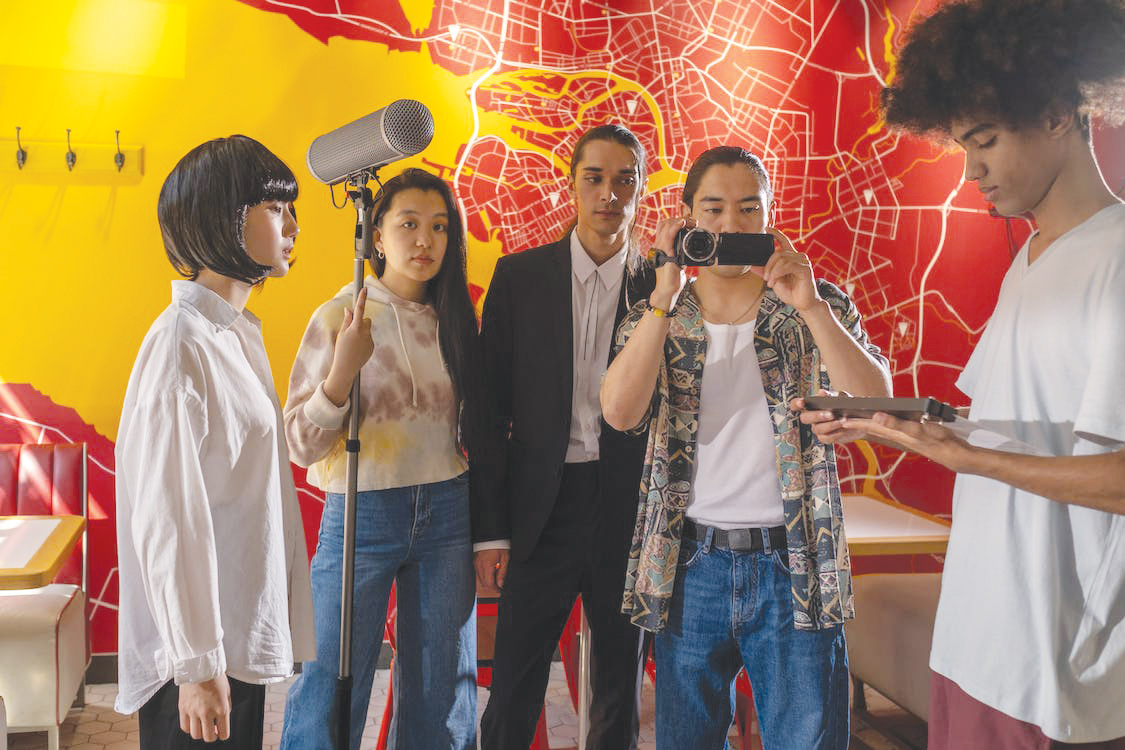
Assembling your team.

While going at it solo is possible, going at it with a team will make things easier. Shop your script around and try to get constructive criticism from others. It never hurts to listen to what others feel about your work. Consider also the key elements of bringing it to life… Namely, the direction, the music and sound design, and finally, the acting. You don’t need a Hollywood production team to pull this off, just like-minded folks who find your ideas intriguing, who are keen on bringing your ideas to life.

3.jpg

Planning the production.

Before you get started with your team, make sure you’ve laid everything out. List down all locations, secure any permits needed, and check that everyone’s schedules are synced. Take note of any equipment that you think you’ll need like cameras, microphones, lighting, etc. It’s crucial to ensure the whole team is on the same page to avoid problems during and after filming.   

4.jpg

Attention to detail goes a long way.

Once shooting begins, remember that the little details go a long way. Frame your shots in unusual ways by placing the camera at certain angles. Don’t be afraid to experiment. Take as many shots as you need to ensure you have enough backup footage for editing. Multiple angles of the same scene can help add some variety to the final cut. Take note of natural lighting, as this will make or break your shot. No one likes watching something they can barely see. More important, have fun! Don’t be afraid to let others on the team pitch ideas or have actors try a different approach to their characters. You’d be surprised to find just how much of iconic moments in cinema were either improvised or thought of on the spot by someone in the crew.

5.jpg

Work that post-production magic.

Once you have all the necessary shots, it’s time to hit the editing crunch! This is often the hardest part, as it requires looking back through everything you worked on and piecing it all together. Sometimes there will be scenes that just don’t feel right, don’t be afraid to cut up parts or go back for reshoots if needed. If you’re not sure about your editing skills, there’s a plethora of online tutorials readily available for reference. Just remember the final product will always be worth it!
6.jpg
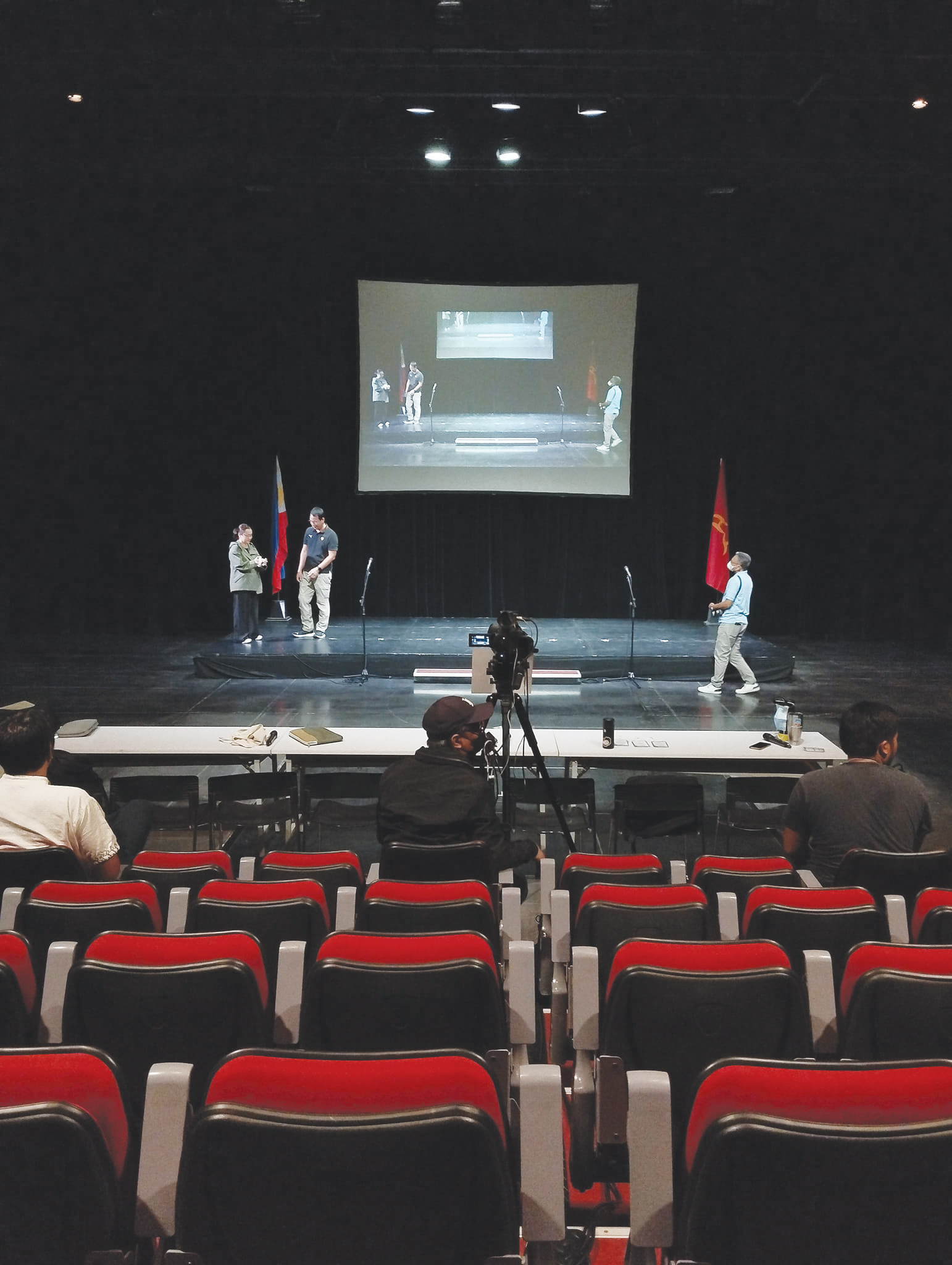
Photo Cinemalaya | Facebook

Getting your work out there.

In the age of social media, sharing one’s work has never been easier. All it takes is a simple upload online and it’s done! Have your friends share it around or just trust the process and let the algorithm take over. Or, for those willing to go the extra mile, send it in as a submission for a film festival!

Just recently, the Cultural Center of the Philippines has opened up screens for submissions for Cinemalaya’s short films category. Interested participants may submit a maximum of three entries but only one entry per proponent may be considered as a finalist. Submissions can be sent online or to the CCP’s Film, Broadcast, and New Media Division office. Full mechanics can also be found on the CCP and Cinemalaya websites. 

Related Tags

Manila Bulletin Lifestyle Poch Eulalia Cinemalaya Independent Film Festival 2021
ADVERTISEMENT
.most-popular .layout-ratio{ padding-bottom: 79.13%; } @media (min-width: 768px) and (max-width: 1024px) { .widget-title { font-size: 15px !important; } }

{{ articles_filter_1561_widget.title }}

.most-popular .layout-ratio{ padding-bottom: 79.13%; } @media (min-width: 768px) and (max-width: 1024px) { .widget-title { font-size: 15px !important; } }

{{ articles_filter_1562_widget.title }}

.most-popular .layout-ratio{ padding-bottom: 79.13%; } @media (min-width: 768px) and (max-width: 1024px) { .widget-title { font-size: 15px !important; } }

{{ articles_filter_1563_widget.title }}

{{ articles_filter_1564_widget.title }}

.mb-article-details { position: relative; } .mb-article-details .article-body-preview, .mb-article-details .article-body-summary{ font-size: 17px; line-height: 30px; font-family: "Libre Caslon Text", serif; color: #000; } .mb-article-details .article-body-preview iframe , .mb-article-details .article-body-summary iframe{ width: 100%; margin: auto; } .read-more-background { background: linear-gradient(180deg, color(display-p3 1.000 1.000 1.000 / 0) 13.75%, color(display-p3 1.000 1.000 1.000 / 0.8) 30.79%, color(display-p3 1.000 1.000 1.000) 72.5%); position: absolute; height: 200px; width: 100%; bottom: 0; display: flex; justify-content: center; align-items: center; padding: 0; } .read-more-background a{ color: #000; } .read-more-btn { padding: 17px 45px; font-family: Inter; font-weight: 700; font-size: 18px; line-height: 16px; text-align: center; vertical-align: middle; border: 1px solid black; background-color: white; } .hidden { display: none; }
function initializeAllSwipers() { // Get all hidden inputs with cms_article_id document.querySelectorAll('[id^="cms_article_id_"]').forEach(function (input) { const cmsArticleId = input.value; const articleSelector = '#article-' + cmsArticleId + ' .body_images'; const swiperElement = document.querySelector(articleSelector); if (swiperElement && !swiperElement.classList.contains('swiper-initialized')) { new Swiper(articleSelector, { loop: true, pagination: false, navigation: { nextEl: '#article-' + cmsArticleId + ' .swiper-button-next', prevEl: '#article-' + cmsArticleId + ' .swiper-button-prev', }, }); } }); } setTimeout(initializeAllSwipers, 3000); const intersectionObserver = new IntersectionObserver( (entries) => { entries.forEach((entry) => { if (entry.isIntersecting) { const newUrl = entry.target.getAttribute("data-url"); if (newUrl) { history.pushState(null, null, newUrl); let article = entry.target; // Extract metadata const author = article.querySelector('.author-section').textContent.replace('By', '').trim(); const section = article.querySelector('.section-info ').textContent.replace(' ', ' '); const title = article.querySelector('.article-title h1').textContent; // Parse URL for Chartbeat path format const parsedUrl = new URL(newUrl, window.location.origin); const cleanUrl = parsedUrl.host + parsedUrl.pathname; // Update Chartbeat configuration if (typeof window._sf_async_config !== 'undefined') { window._sf_async_config.path = cleanUrl; window._sf_async_config.sections = section; window._sf_async_config.authors = author; } // Track virtual page view with Chartbeat if (typeof pSUPERFLY !== 'undefined' && typeof pSUPERFLY.virtualPage === 'function') { try { pSUPERFLY.virtualPage({ path: cleanUrl, title: title, sections: section, authors: author }); } catch (error) { console.error('ping error', error); } } // Optional: Update document title if (title && title !== document.title) { document.title = title; } } } }); }, { threshold: 0.1 } ); function showArticleBody(button) { const article = button.closest("article"); const summary = article.querySelector(".article-body-summary"); const body = article.querySelector(".article-body-preview"); const readMoreSection = article.querySelector(".read-more-background"); // Hide summary and read-more section summary.style.display = "none"; readMoreSection.style.display = "none"; // Show the full article body body.classList.remove("hidden"); } document.addEventListener("DOMContentLoaded", () => { let loadCount = 0; // Track how many times articles are loaded const offset = [1, 2, 3, 4, 5, 6, 7, 8, 9, 10]; // Offset values const currentUrl = window.location.pathname.substring(1); let isLoading = false; // Prevent multiple calls if (!currentUrl) { console.log("Current URL is invalid."); return; } const sentinel = document.getElementById("load-more-sentinel"); if (!sentinel) { console.log("Sentinel element not found."); return; } function isSentinelVisible() { const rect = sentinel.getBoundingClientRect(); return ( rect.top < window.innerHeight && rect.bottom >= 0 ); } function onScroll() { if (isLoading) return; if (isSentinelVisible()) { if (loadCount >= offset.length) { console.log("Maximum load attempts reached."); window.removeEventListener("scroll", onScroll); return; } isLoading = true; const currentOffset = offset[loadCount]; window.loadMoreItems().then(() => { let article = document.querySelector('#widget_1690 > div:nth-last-of-type(2) article'); intersectionObserver.observe(article) loadCount++; }).catch(error => { console.error("Error loading more items:", error); }).finally(() => { isLoading = false; }); } } window.addEventListener("scroll", onScroll); });

Sign up by email to receive news.