







EU worried Red Sea attacks could spark inflation


BRUSSELS, Belgium - European Union economy commissioner Paolo Gentiloni on Monday warned that violence in the Red Sea sparked by Huthi attacks on shipping could push up energy prices and inflation in the bloc.
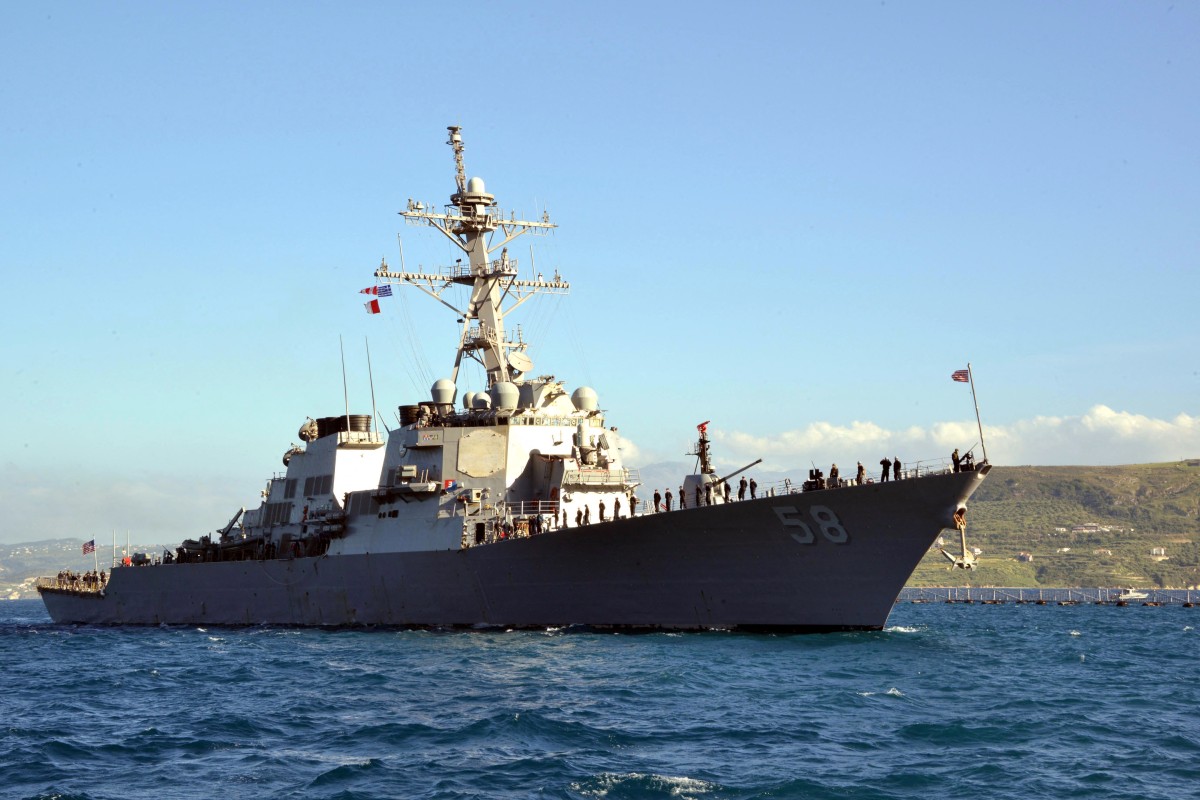
This US Navy handout photo taken on April 29, 2015 shows the USS Laboon (DDG-58) sailing into Souda Bay, Greece, during a scheduled port visit April 29. The US military said on January 14, 2024 that its forces shot down a cruise missile fired at an American destroyer warship from Huthi controlled areas of Yemen. "On January 14 at approximately 4:45 p.m. (Sanaa time) an anti-ship cruise missile was fired from Iranian-backed Huthi militant areas of Yemen toward USS Laboon (DDG 58), which was operating in the Southern Red Sea," the United States Central Command said in a statement. (Photo by Jeffrey RICHARDSON / US NAVY / AFP)
"We know that we're starting this year with subdued growth, some good news on the labour market, but increasing concerns on the downside risks caused by the geopolitical tensions," Gentiloni said at the start of a meeting of EU finance ministers.
Gentiloni said that "what is happening in the Red Sea... is not for the moment apparently creating consequences on energy prices and inflation".
"But we think that it should be monitored very closely because these consequences could materialise in the coming weeks," he said.
Tensions in the Red Sea have soared after the United States and Britain carried out strikes on Huthi rebels in Yemen over their attacks on international shipping.
The Iran-backed Huthis, who say they are acting in solidarity with Gaza, have carried out a growing number of missile and drone attacks on what they deem Israeli-linked shipping on the key Red Sea trade route.
Around 12 percent of global trade normally passes through it. But since mid-November the attacks have prompted many shipping firms to take the longer route around the tip of Africa, disrupting supply chains and putting upward pressure on inflation.