

ADVERTISEMENT

Makati solon trumpets PH construction of P800-M shelter port in Kalayaan Island Group

Published Jan 14, 2024 07:36 am

At A Glance

  • Makati City 2nd district Rep. Luis Campos Jr. says Philippines is fast-tracking to the tune of P800 million the construction of transportation facilities in the Kalayaan Island Group (KIG), amid China's unprecedented artificial island-building in the Spratly archipelago.
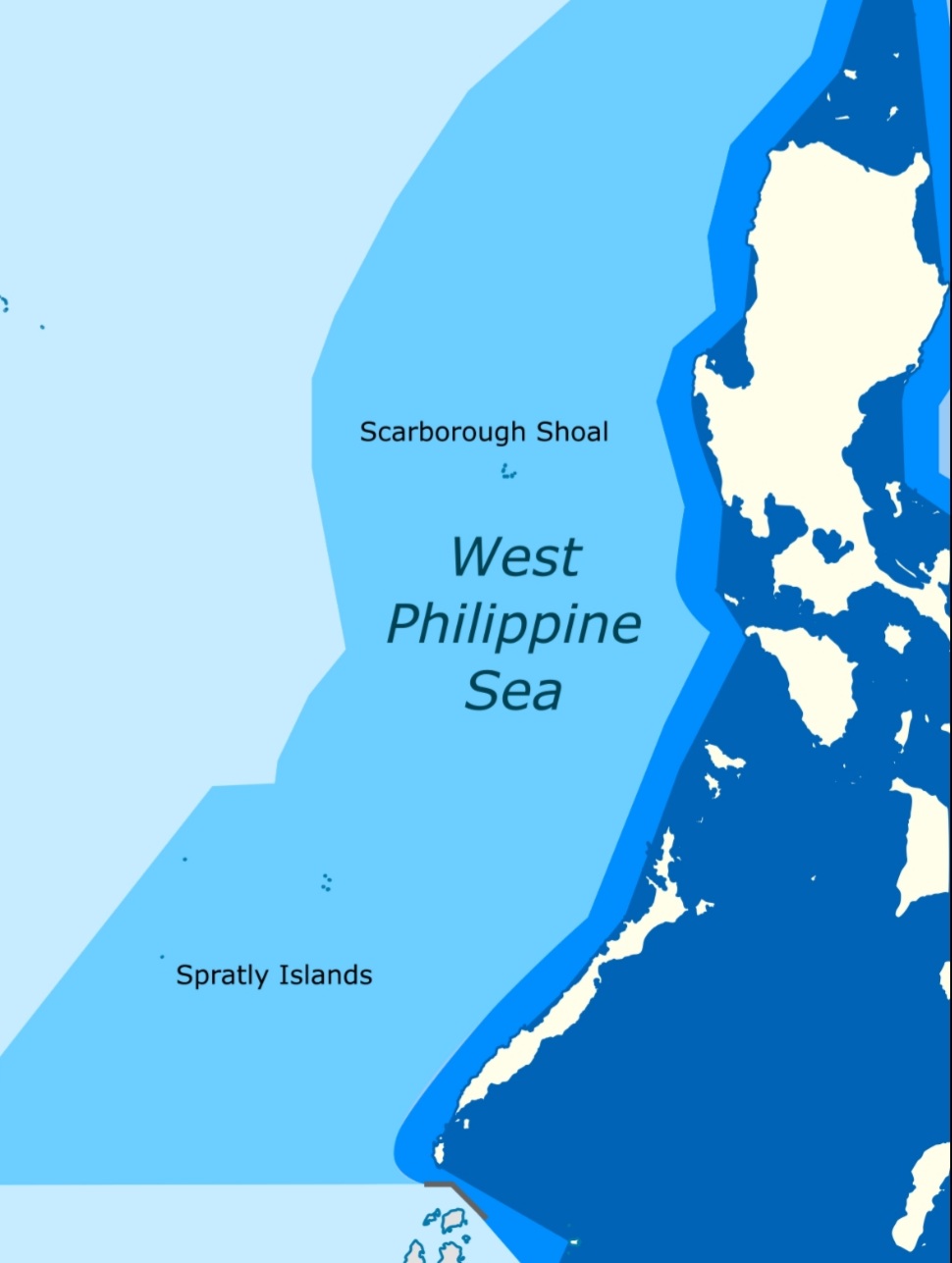
Screenshot_20230516-102759_Chrome.jpgWest Philippine Sea (Wikipedia)

Here's a "tit-for-tat" move by the country in the West Philippine Sea (WPS), according to Makati City 2nd district Rep. Luis Campos Jr.

The Philippines is fast-tracking to the tune of P800 million the construction of transportation facilities in the Kalayaan Island Group (KIG), amid China’s unprecedented artificial island-building in the Spratly archipelago, says Campos.

Campos said that under the 2024 General Appropriations Act (GAA), Congress has earmarked the amount for the Department of Transportation’s (DOTr) construction of a new shelter port on Lawak Island.

“The sum for the Lawak shelter port is itemized in the 2024 Maritime Transportation Infrastructure Program,” Campos, a vice chairman of the House Committee on Appropriations, said in a statement Sunday, Jan. 14.

A shelter port is a facility where boats, including those for fishing, can seek refuge via anchorages with access channels, breakwaters, and jetties, among other structures.

Lawak is the second-largest landmass in the Philippine-administered KIG, which is located at the northeastern section of the Spratlys.

“The P800 million for the Lawak shelter port is on top of, and separate from, the P1.5 billion for the expansion of the airport on Pag-asa Island,” Campos said.

“The shelter port and the airport expansion projects give substance to House Speaker Martin Romualdez’s pledge to develop the [KIG] in a bid to encourage civilian settlements there,” noted the veteran solon.

With a land area of 7.93 hectares, Lawak is located 157 kilometers east of Pag-asa, which has a land area of 37.2 hectares.

In addition to Pag-asa and Lawak, the Kalayaan Island Group includes the islands of Likas, Parola, Kota, Patag and Panata, and the Balagtas Reef, Ayungin Shoal and Rizal Shoal.

The Municipality of Kalayaan was created over the Kalayaan Island Group under the Province of Palawan by virtue of Presidential Decree (PD) No. 1596 issued by President Ferdinand Marcos Sr. on June 11, 1978.

A sixth-class municipality, Kalayaan is the least populated town in the Philippines, with only 193 residents who all live on Pag-asa, according to the 2020 census. The Kalayaan municipal government is based in Pag-asa.

Related Tags

Kalayaan Island Group luis campos jr. Spratlys West Philippine Sea
ADVERTISEMENT
.most-popular .layout-ratio{ padding-bottom: 79.13%; } @media (min-width: 768px) and (max-width: 1024px) { .widget-title { font-size: 15px !important; } }

{{ articles_filter_1561_widget.title }}

.most-popular .layout-ratio{ padding-bottom: 79.13%; } @media (min-width: 768px) and (max-width: 1024px) { .widget-title { font-size: 15px !important; } }

{{ articles_filter_1562_widget.title }}

.most-popular .layout-ratio{ padding-bottom: 79.13%; } @media (min-width: 768px) and (max-width: 1024px) { .widget-title { font-size: 15px !important; } }

{{ articles_filter_1563_widget.title }}

{{ articles_filter_1564_widget.title }}

.mb-article-details { position: relative; } .mb-article-details .article-body-preview, .mb-article-details .article-body-summary{ font-size: 17px; line-height: 30px; font-family: "Libre Caslon Text", serif; color: #000; } .mb-article-details .article-body-preview iframe , .mb-article-details .article-body-summary iframe{ width: 100%; margin: auto; } .read-more-background { background: linear-gradient(180deg, color(display-p3 1.000 1.000 1.000 / 0) 13.75%, color(display-p3 1.000 1.000 1.000 / 0.8) 30.79%, color(display-p3 1.000 1.000 1.000) 72.5%); position: absolute; height: 200px; width: 100%; bottom: 0; display: flex; justify-content: center; align-items: center; padding: 0; } .read-more-background a{ color: #000; } .read-more-btn { padding: 17px 45px; font-family: Inter; font-weight: 700; font-size: 18px; line-height: 16px; text-align: center; vertical-align: middle; border: 1px solid black; background-color: white; } .hidden { display: none; }
function initializeAllSwipers() { // Get all hidden inputs with cms_article_id document.querySelectorAll('[id^="cms_article_id_"]').forEach(function (input) { const cmsArticleId = input.value; const articleSelector = '#article-' + cmsArticleId + ' .body_images'; const swiperElement = document.querySelector(articleSelector); if (swiperElement && !swiperElement.classList.contains('swiper-initialized')) { new Swiper(articleSelector, { loop: true, pagination: false, navigation: { nextEl: '#article-' + cmsArticleId + ' .swiper-button-next', prevEl: '#article-' + cmsArticleId + ' .swiper-button-prev', }, }); } }); } setTimeout(initializeAllSwipers, 3000); const intersectionObserver = new IntersectionObserver( (entries) => { entries.forEach((entry) => { if (entry.isIntersecting) { const newUrl = entry.target.getAttribute("data-url"); if (newUrl) { history.pushState(null, null, newUrl); let article = entry.target; // Extract metadata const author = article.querySelector('.author-section').textContent.replace('By', '').trim(); const section = article.querySelector('.section-info ').textContent.replace(' ', ' '); const title = article.querySelector('.article-title h1').textContent; // Parse URL for Chartbeat path format const parsedUrl = new URL(newUrl, window.location.origin); const cleanUrl = parsedUrl.host + parsedUrl.pathname; // Update Chartbeat configuration if (typeof window._sf_async_config !== 'undefined') { window._sf_async_config.path = cleanUrl; window._sf_async_config.sections = section; window._sf_async_config.authors = author; } // Track virtual page view with Chartbeat if (typeof pSUPERFLY !== 'undefined' && typeof pSUPERFLY.virtualPage === 'function') { try { pSUPERFLY.virtualPage({ path: cleanUrl, title: title, sections: section, authors: author }); } catch (error) { console.error('ping error', error); } } // Optional: Update document title if (title && title !== document.title) { document.title = title; } } } }); }, { threshold: 0.1 } ); function showArticleBody(button) { const article = button.closest("article"); const summary = article.querySelector(".article-body-summary"); const body = article.querySelector(".article-body-preview"); const readMoreSection = article.querySelector(".read-more-background"); // Hide summary and read-more section summary.style.display = "none"; readMoreSection.style.display = "none"; // Show the full article body body.classList.remove("hidden"); } document.addEventListener("DOMContentLoaded", () => { let loadCount = 0; // Track how many times articles are loaded const offset = [1, 2, 3, 4, 5, 6, 7, 8, 9, 10]; // Offset values const currentUrl = window.location.pathname.substring(1); let isLoading = false; // Prevent multiple calls if (!currentUrl) { console.log("Current URL is invalid."); return; } const sentinel = document.getElementById("load-more-sentinel"); if (!sentinel) { console.log("Sentinel element not found."); return; } function isSentinelVisible() { const rect = sentinel.getBoundingClientRect(); return ( rect.top < window.innerHeight && rect.bottom >= 0 ); } function onScroll() { if (isLoading) return; if (isSentinelVisible()) { if (loadCount >= offset.length) { console.log("Maximum load attempts reached."); window.removeEventListener("scroll", onScroll); return; } isLoading = true; const currentOffset = offset[loadCount]; window.loadMoreItems().then(() => { let article = document.querySelector('#widget_1690 > div:nth-last-of-type(2) article'); intersectionObserver.observe(article) loadCount++; }).catch(error => { console.error("Error loading more items:", error); }).finally(() => { isLoading = false; }); } } window.addEventListener("scroll", onScroll); });

Sign up by email to receive news.