






 Philippines
National
Cua tells LGUs: Upgrade strategic disaster preparedness master plans
Philippines
National
Cua tells LGUs: Upgrade strategic disaster preparedness master plans
Cua tells LGUs: Upgrade strategic disaster preparedness master plans
By Chito Chavez


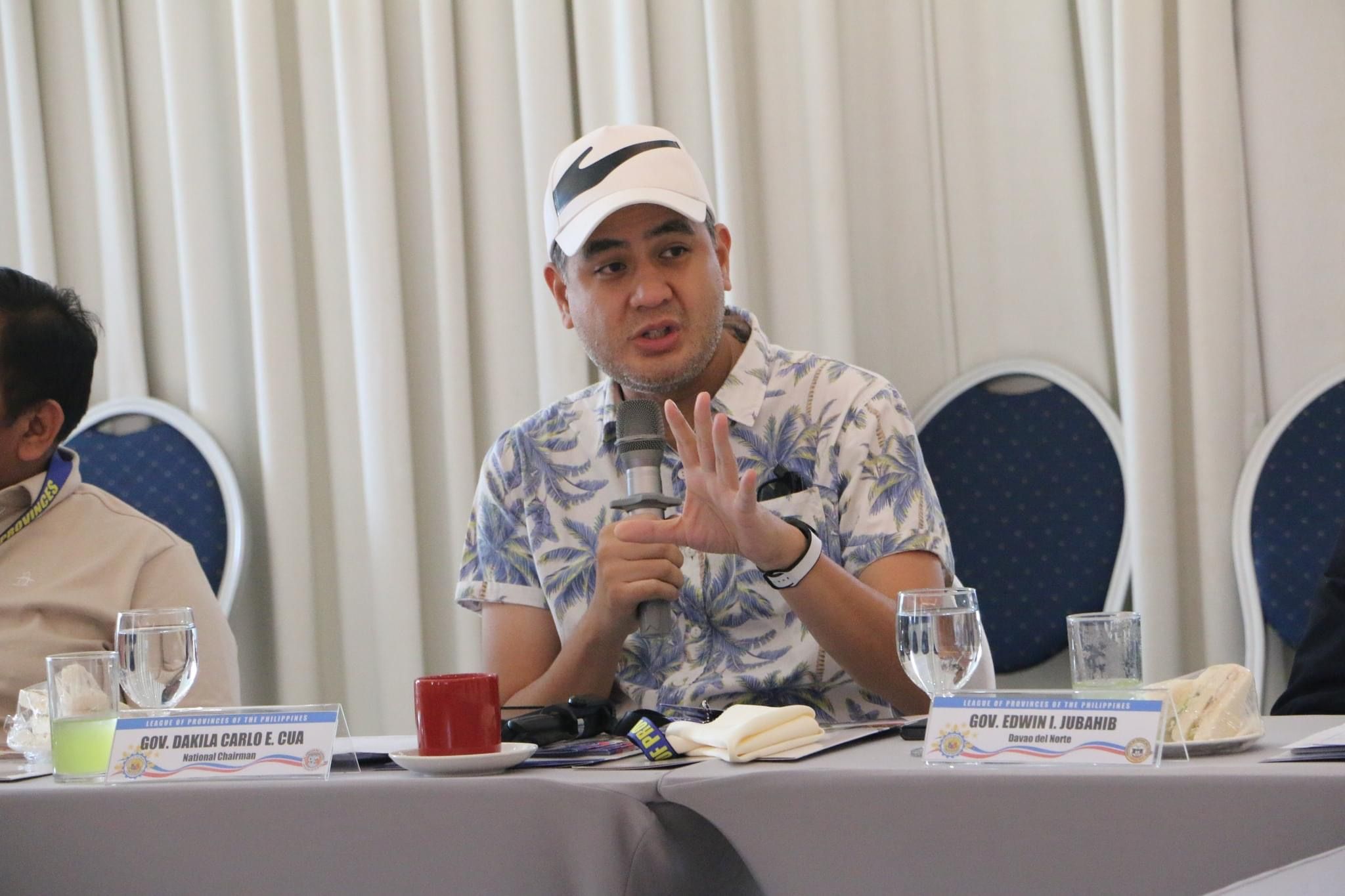
Union of Local Authorities of the Philippines (ULAP) president Dakila “Dax’’ Cua called on the local government units (LGUs) nationwide to reinforce and develop further their respective disaster preparedness measures and establish dedicated evacuation centers in strategic locations.
The statement was issued in the aftermath of the devastating impact of the “Habagat’’ enhanced Typhoon Carina, which brought relentless rain and severe flooding in Metro Manila and nearby provinces.
As an advocate for enhanced local governance, Cua reminded the LGUs of their critical role in safeguarding their constituents especially during man-made or natural calamities and disasters.
“With the increasing frequency and severity of natural disasters as we have recently experienced in Typhoon Carina, our commitment to community safety and resilience is more crucial than ever. It is imperative that every LGU implement comprehensive disaster preparedness plans to ensure the well-being of our citizens,” Cua said.
Cua also encouraged LGUs to conduct comprehensive disaster risk assessments to identify local vulnerabilities and develop tailored disaster preparedness plans.
“These plans should include adaptation, mitigation, and preventive measures, emergency response protocols, and strategies for post-disaster recovery,’’ he added.
Cua also highlighted the need not only for continuous training and capacity-building programs for local officials, emergency responders, and community members, but also equipping these local responders with the requisite logistics and technologies to effectively respond to calamities and disasters.
“We also cannot stress enough the importance of public awareness campaigns, educational programs, and community drills. These measures can significantly enhance local readiness and ensure that our residents are well-informed and prepared,” Cua asserted.
The ULAP chief also called for the wholesale fortification of critical infrastructure, including the upgrading of roads, bridges, and public facilities, to ensure these withstand natural calamities and remain resilient.
Cua pointed out the urgent need for dedicated evacuation centers in every LGU, a policy that ULAP has actively championed through legislative advocacy in both houses of Congress and the pursuit of an Executive Order from the President.
“Designated, well-equipped evacuation centers are crucial for providing safe havens during emergencies. These centers must be strategically located, accessible, and capable of accommodating large numbers of evacuees,” Cua noted.
“Evacuation centers should be situated in safe zones, away from flood-prone and high-risk areas, to ensure the safety of evacuees. They must be equipped with essential amenities such as clean water, sanitation facilities, food supplies, medical care, and sleeping arrangements,’’ he emphasized.
Cua asserted that accessibility is paramount to ensure that the evacuation centers are easily reachable by all residents, including those with disabilities and special needs, adding that their design and construction should adhere to sustainable and resilient building standards for long-term functionality.
His calls to action underscores ULAP’s enduring commitment to fostering collaboration between the national and local authorities.
As a member of the National Disaster Risk Reduction and Management Council (NDRRMC) and its Technical Working Groups (TWGs), the ULAP strives to enhance governance and ensure responsive, reliable disaster management services at the local level.
“Let us act decisively: every LGU must prioritize the creation of well-equipped evacuation centers and comprehensive disaster preparedness plans. It is our collective responsibility to safeguard our communities and ensure that we are ready to face any challenge that comes our way,” Cua continued.