






 Entertainment
Movies and TV
Poirot to the canals? - A review of 'A Haunting in Venice'
Entertainment
Movies and TV
Poirot to the canals? - A review of 'A Haunting in Venice'
Poirot to the canals? - A review of 'A Haunting in Venice'


At A Glance
- The formula of the Christie mysteries remains intact: a slew of suspects, a multiplicity of motives and deep secrets, and our genius detective having to do all the unraveling and taking us on this vicarious ride.
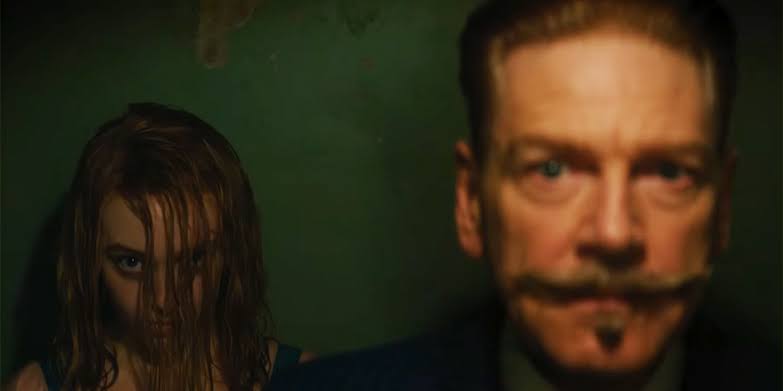
By all accounts, it would seem there’s enough of a global audience for Kenneth Branagh’s take on Agatha Christie’s Hercule Poirot, as this is his third installment of the film franchise that began with Murder on the Orient Express, followed by the lackluster Death On the Nile. While those were trendy books detailing the exploits of our favorite Belgian detective, his flair for deduction, and his infamous mustache, it must be admitted that this third adventure is based on a novel, Hallowe’en Party, that isn’t as well-known.
This works in the favor of the filmmakers and the screenplay writer, Michael Green. They introduce horror and supernatural elements to the franchise to change things up. They move the story from the English countryside of the 1969 source material to the more picturesque and colorfully sinister post-war Venice, and they have fun introducing diversity and inclusivity into the casting - Hello, Michelle Yeoh and Tina Fey. Do you think it all works, though? That would be the billion-dollar question for A Haunting in Venice, which opens in cinemas this Sept. 13.
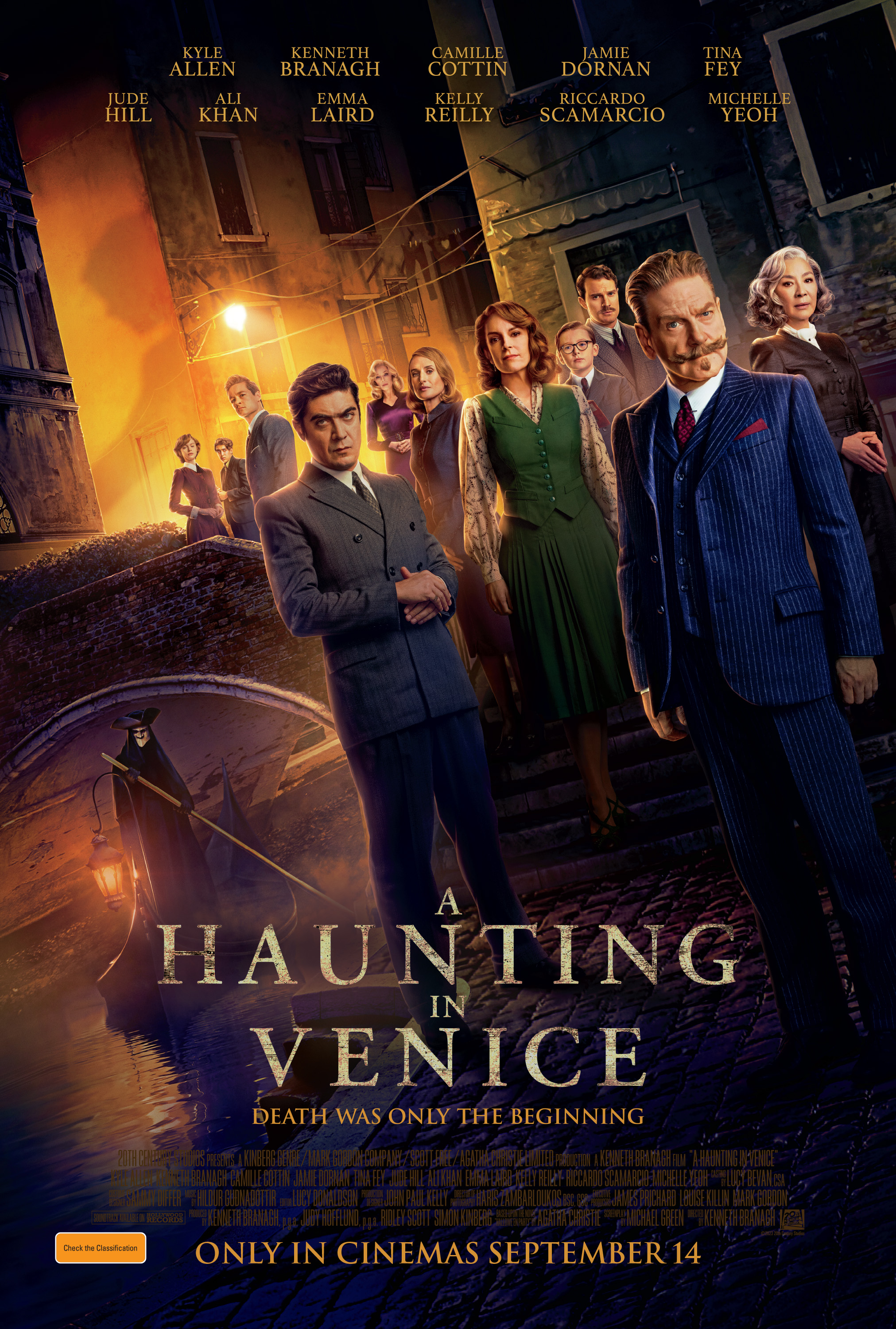
The Poirot we meet in this film is supposed to have retired in Venice, and only the appeal of an old friend has him leaving his routine. The pretext is to investigate the seance conducted by a ‘gifted’ woman who, while at a party, claims to have witnessed a murder but had failed to point out the guilty party - and is subsequently murdered herself.
So, as it turns out, Poirot is brought in to unravel two mysteries - who is behind this woman's death, and secondly, what was the murder she had witnessed that has her being dealt with so many years after the fact.
The formula of the Christie mysteries remains intact: a slew of suspects, a multiplicity of motives and deep secrets, and our genius detective having to do all the unraveling and taking us on this vicarious ride.
When the Christie novel was published in 1969, scathing reviews came out, saying that late in her writing career, Christie was better off leaving us the memory of her earlier Poirot and Marple mysteries and her stage play, The Mousetrap. Christie passed away soon after, in 1976.
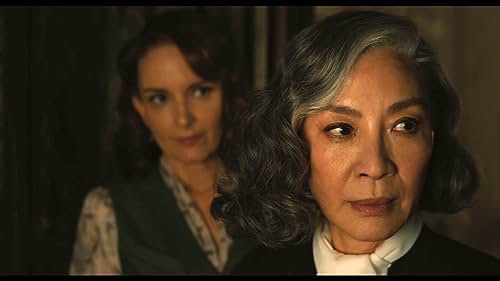
Now, I’ve not read the novel, but if you ask me based on this film adaptation, I’d say this mystery needed more than a mere relocation. All seems to fall too neatly in place when it’s time to make the Poirot ‘reveal.’ The characters don’t create enough of an impression, so we invest in them.
Maybe we like things to be spelled out at the end, but this one doesn’t give us a fair enough chance to figure it out along with Poirot. So I can’t appreciate how this franchise will continue after the D.O.A. of Nile and this tepid Haunting. But then again, Branagh seems to be living a charmed Hollywood life as Poirot.