






 Philippines
National
Education is great equalizer, path away from poverty — VP Duterte
Philippines
National
Education is great equalizer, path away from poverty — VP Duterte
Education is great equalizer, path away from poverty — VP Duterte
By Raymund Antonio and Raymund Antonio


Vice President and Education Secretary Sara Duterte underscored the importance of ensuring the youth stay in schools, describing education as a “great equalizer” and one that would provide a path from poverty.
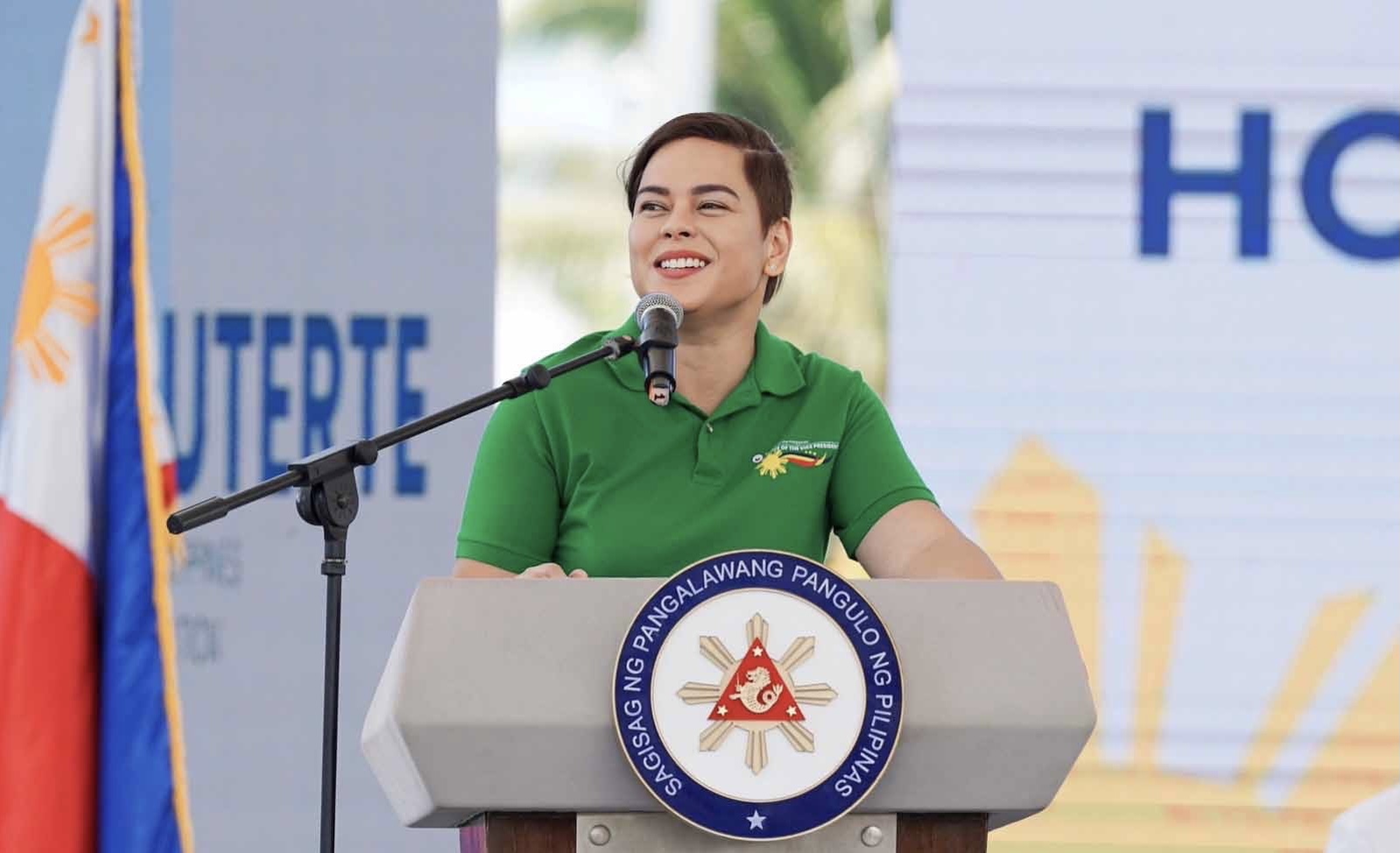 Vice President and Education Secretary Sara Duterte in Digos City to attend its 23rd founding anniversary celebration. (OVP photo)
In a speech during the 23rd founding anniversary of Digos City on Friday, Sept. 8, the official stressed that education remains at the core of ensuring that Digos City attains its economic aspirations.
“Education has always been regarded as the ultimate leveler, the great equalizer,” Duterte said.
“Filipinos from low-income families can escape the cycle of poverty and inequality through education,” she added.
For this to be possible, the Department of Education (DepEd), which she heads concurrently, recently launched the revised K–10 curriculum, or the MATATAG Curriculum.
The curriculum emphasizes reading, writing, and numeracy and reintroduces Good Manners and Right Conduct.
It also seeks to provide Filipino children and youth with “relevant education and employable skills,” the Vice President said.
“We must ensure that the future workforce of the Philippines will be able to compete and thrive in the 21st century,” she added.
The official also emphasized that weeding out insurgency, illegal drugs, and other criminalities would help Digos City fulfill its transformative goals.
Describing insurgency and drug addiction as elements that “threaten the lives and futures of young Filipinos,” Duterte urged the youth to use the history of their city as a weapon to pursue their aspirations for their city.
“The story of Digos is one of toil, dreams, and aspirations—a long narrative of progress powered by unwavering determination,” she furthered.
Meanwhile, the Vice President also expressed support for Digos City’s efforts to improve its economic dynamism and economic transformation.
Duterte recognized the city’s “exponential growth” from a barrio to becoming a municipality in 1949.
“The historical significance of Digos City is stitched into the fascinating history of Mindanao and the revolution of the Moro people against the Spaniards. One of these Moro leaders was Davao City hero Datu Bago,” she said.
“Not to be wiped out from your history are the Bagobo lumads who inhabited parts of Mt. Apo,” the official added.
Digos City was once part of the Sultanate of Sulu that fought Spanish colonizers.
It now serves as a “gateway” for people moving around the Davao Region and Soccsksargen areas.