







Proposed PH Islamic Burial Act hurdles House


At A Glance
- The proposed Philippine Islamic Burial Act--which spells out rules on the proper handling of cadavers of Filipino Muslims--has been unanimously approved on third and final reading by the House of Representatives.
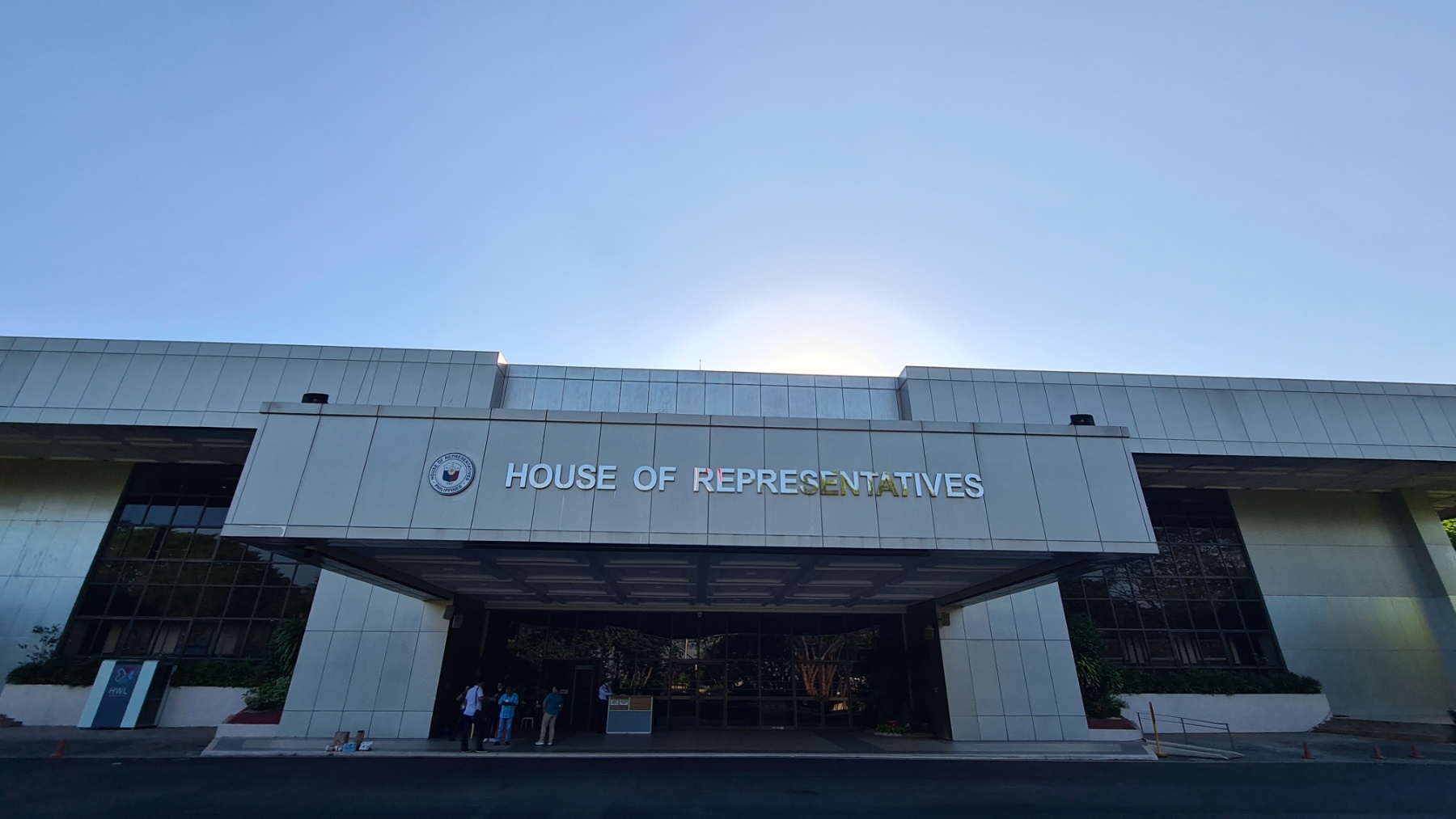 House of Representatives (Ellson Quismorio/ MANILA BULLETIN)
The proposed Philippine Islamic Burial Act--which spells out rules on the proper handling of cadavers of Filipino Muslims--has been unanimously approved on third and final reading by the House of Representatives.
The measure, embodied in HB No.8925, underscored that departed Muslims must be buried the next day after death, as per Islamic rites. It received 234 affirmative votes during plenary session Tuesday night, Sept. 5.
At least 10 Muslim congressmen authored the bill, which now awaits consolidation with the Senate version of the measure.
"This measure seeks to further validate the free exercise of religion enshrined under our Constitution by allowing our Muslim brothers and sisters to bury their dead in accordance with their faith's practice, and free from any prohibition and hindrance,"House Speaker Martin Romualdez said in a statement after the bill's final passage.
The measure provides that the government respects the right of Filipino Muslims to bury their dead in accordance with their religious customs and beliefs, particularly, burying their dead before the next call to prayer.
“For burial purposes, in accordance with Islamic rites, Muslim cadavers shall be released within 24 hours by the hospital, medical clinic, funeral parlor, morgue, custodial and prison facilities, or other similar facilities, persons who are in actual care, custody of the cadaver,” the bill read.
“Non-payment of hospital bills, medical expenses, professional fees, cost of wrapping and shipment, or any other charges shall in no case be made as a reason for the withholding of the release and shipment of the cadaver,” it stated.
The measure nevertheless allows the Muslim-Filipino family or the concerned party to “execute a promissory note for the unpaid obligation, or any other existing payment scheme acceptable to the other party".
The burial of Muslim cadavers shall be performed right away, “with or without a certificate of death," provided the death shall be reported by the person who performed the burial rites or by the next of kin of the deceased within 30 days after the date of burial to the local health officer.
The measure said that it's the health officer’s job to prepare the death certificate and certify the cause of death.
“In the absence of the authorized health officer or a duly authorized representative, the death shall be reported to the Office of the Mayor, who shall prepare the death certificate and certify the cause of death if there is no forensic interest in the remains,” the bill stated.
But should there be “forensic interest", or requests for autopsy, the “family of the deceased must first be informed prior to any examination that may be conducted by law enforcement authorities assigned in the case".
HB No.8925 also requires that the death certificate and the cause of death shall be forwarded to the local civil registrar for its registration within 30 days after the local health officer has duly prepared and certified the same.
“The cadaver shall be wrapped with white cloth and placed in an airtight cadaver bag or cadaver wooden box that is leak-proof and shall be zipped or closed with tapes or bandage strips,” it read.
Those who will be found to violate the bill - directly or indirectly - stand to suffer “imprisonment of not less than one (1) month, but not more than six (6) months, or a fine of not less than P50,000, but not more than P100,000, or both, at the discretion of the court".
This pertains to cases when persons or entities decide to “withhold Muslim cadavers in their possession due to non-payment of hospital bills, medical expenses, professional fees, funeral parlor fees, cost of wrapping and shipment or other similar charges or fees, and for other unjustifiable reasons".