

ADVERTISEMENT

vivo V29 5G set to revolutionize smartphone photography with Aura Light 2.0 technology

vivo Philippines teases the upcoming V29 5G, the highly anticipated successor to the V27 5G, featuring advanced Aura Light 2.0 for unmatched photo quality in any lighting condition

Published Sep 5, 2023 02:32 am

At A Glance

  • The Vivo V29 5G will feature the revolutionary Aura Light 2.0 technology, designed to elevate mobile photography to unprecedented levels by adjusting to varying environmental lighting conditions.
  • <br>The V29 5G serves as the highly-anticipated successor to the immensely popular V27 5G, promising an enhanced smartphone experience to Filipinos.
  • <br>One standout feature of the Aura Light 2.0 is its ability to adapt to a wide array of environments with different color temperatures, ensuring optimal lighting for photo capture whether you're in a nightclub, walking down neon-lit streets, or in a cozy bar.
  • <br>The Aura Light 2.0 comes with an increased diameter of 15.6 mm, providing three-dimensional, soft, and non-dazzling light similar to that of a professional studio, enhancing portrait photography especially in nighttime settings.
  • <br>Compared to its predecessor, the V29 5G offers a 36% boost in brightness, allowing for photos with striking clarity, greater focus, and increased intensity.

vivo, a leading global innovator in the smartphone industry, is set to dazzle the Philippines with an electrifying sneak peek into the future of mobile photography. 

Introducing the upcoming vivo V29 5G, the successor to the immensely popular V27 5G, promising Filipinos a smartphone experience like never before.
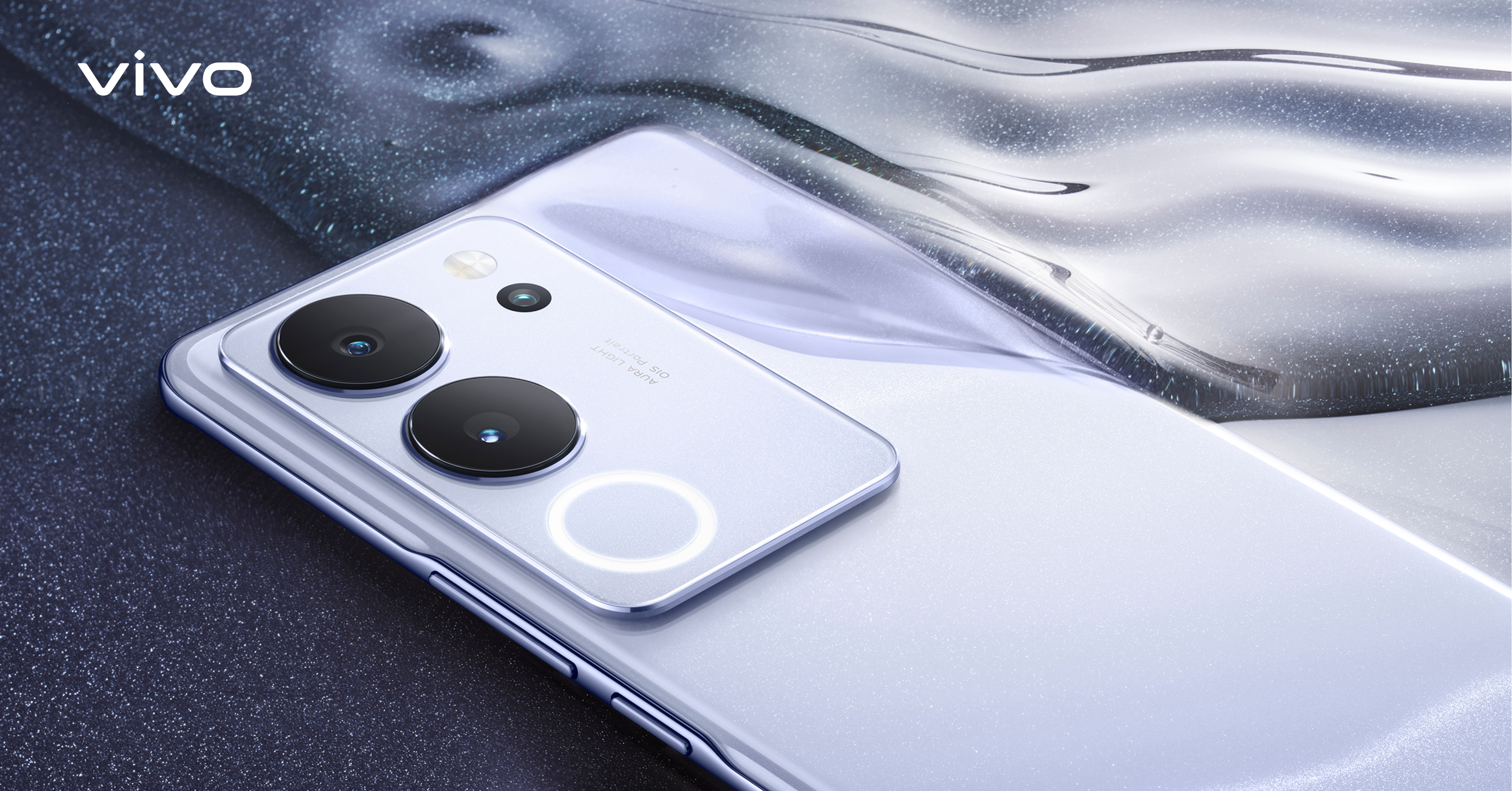
vivo V29 2.png


At the heart of this technological marvel is the revolutionary Aura Light 2.0, designed to elevate your photography game to unprecedented heights. 

"We have always understood the pivotal role that light plays in capturing the perfect shot, and the Aura Light 2.0 takes this to a whole new level," shared vivo Philippines.

One of the standout features of Aura Light 2.0 is its remarkable ability to adapt to a wide array of environments with varying color temperatures. 

Whether amidst the pulsating energy of a nightclub, strolling down neon-lit streets, or enjoying a cozy evening at a bar, the V29's Aura Light 2.0 effortlessly adjusts its color temperature to harmonize with the surroundings. It's like having your light designer ensuring your photos are always on point.

The increased diameter of 15.6 mm in Aura Light 2.0 is a game-changer, creating three-dimensional, soft, and non-dazzling light reminiscent of a professional studio. Nighttime portraits now exhibit more intricate details and vividness, while subjects' skin appears radiant and refined.

Moreover, with a remarkable 36% boost in brightness compared to its predecessor, the V29 empowers you to capture shots with striking clarity, infusing them with greater focus and intensity.

Get ready to embrace a new era in smartphone photography with the vivo V29 5G. It's not just a smartphone; it's your creative companion, light guru, and window to a world of captivating visuals.

Follow vivo Philippines'  FacebookInstagramYouTubeTwitter,  and  TikTok for more updates on the vivo V29 5G that will redefine your photography experience.

Watch out for the grand unveiling of the vivo V29 5G - where larger, brighter, and smarter Aura Light meets Filipino ingenuity.

ADVERTISEMENT
.most-popular .layout-ratio{ padding-bottom: 79.13%; } @media (min-width: 768px) and (max-width: 1024px) { .widget-title { font-size: 15px !important; } }

{{ articles_filter_1561_widget.title }}

.most-popular .layout-ratio{ padding-bottom: 79.13%; } @media (min-width: 768px) and (max-width: 1024px) { .widget-title { font-size: 15px !important; } }

{{ articles_filter_1562_widget.title }}

.most-popular .layout-ratio{ padding-bottom: 79.13%; } @media (min-width: 768px) and (max-width: 1024px) { .widget-title { font-size: 15px !important; } }

{{ articles_filter_1563_widget.title }}

{{ articles_filter_1564_widget.title }}

.mb-article-details { position: relative; } .mb-article-details .article-body-preview, .mb-article-details .article-body-summary{ font-size: 17px; line-height: 30px; font-family: "Libre Caslon Text", serif; color: #000; } .mb-article-details .article-body-preview iframe , .mb-article-details .article-body-summary iframe{ width: 100%; margin: auto; } .read-more-background { background: linear-gradient(180deg, color(display-p3 1.000 1.000 1.000 / 0) 13.75%, color(display-p3 1.000 1.000 1.000 / 0.8) 30.79%, color(display-p3 1.000 1.000 1.000) 72.5%); position: absolute; height: 200px; width: 100%; bottom: 0; display: flex; justify-content: center; align-items: center; padding: 0; } .read-more-background a{ color: #000; } .read-more-btn { padding: 17px 45px; font-family: Inter; font-weight: 700; font-size: 18px; line-height: 16px; text-align: center; vertical-align: middle; border: 1px solid black; background-color: white; } .hidden { display: none; }
function initializeAllSwipers() { // Get all hidden inputs with cms_article_id document.querySelectorAll('[id^="cms_article_id_"]').forEach(function (input) { const cmsArticleId = input.value; const articleSelector = '#article-' + cmsArticleId + ' .body_images'; const swiperElement = document.querySelector(articleSelector); if (swiperElement && !swiperElement.classList.contains('swiper-initialized')) { new Swiper(articleSelector, { loop: true, pagination: false, navigation: { nextEl: '#article-' + cmsArticleId + ' .swiper-button-next', prevEl: '#article-' + cmsArticleId + ' .swiper-button-prev', }, }); } }); } setTimeout(initializeAllSwipers, 3000); const intersectionObserver = new IntersectionObserver( (entries) => { entries.forEach((entry) => { if (entry.isIntersecting) { const newUrl = entry.target.getAttribute("data-url"); if (newUrl) { history.pushState(null, null, newUrl); let article = entry.target; // Extract metadata const author = article.querySelector('.author-section').textContent.replace('By', '').trim(); const section = article.querySelector('.section-info ').textContent.replace(' ', ' '); const title = article.querySelector('.article-title h1').textContent; // Parse URL for Chartbeat path format const parsedUrl = new URL(newUrl, window.location.origin); const cleanUrl = parsedUrl.host + parsedUrl.pathname; // Update Chartbeat configuration if (typeof window._sf_async_config !== 'undefined') { window._sf_async_config.path = cleanUrl; window._sf_async_config.sections = section; window._sf_async_config.authors = author; } // Track virtual page view with Chartbeat if (typeof pSUPERFLY !== 'undefined' && typeof pSUPERFLY.virtualPage === 'function') { try { pSUPERFLY.virtualPage({ path: cleanUrl, title: title, sections: section, authors: author }); } catch (error) { console.error('ping error', error); } } // Optional: Update document title if (title && title !== document.title) { document.title = title; } } } }); }, { threshold: 0.1 } ); function showArticleBody(button) { const article = button.closest("article"); const summary = article.querySelector(".article-body-summary"); const body = article.querySelector(".article-body-preview"); const readMoreSection = article.querySelector(".read-more-background"); // Hide summary and read-more section summary.style.display = "none"; readMoreSection.style.display = "none"; // Show the full article body body.classList.remove("hidden"); } document.addEventListener("DOMContentLoaded", () => { let loadCount = 0; // Track how many times articles are loaded const offset = [1, 2, 3, 4, 5, 6, 7, 8, 9, 10]; // Offset values const currentUrl = window.location.pathname.substring(1); let isLoading = false; // Prevent multiple calls if (!currentUrl) { console.log("Current URL is invalid."); return; } const sentinel = document.getElementById("load-more-sentinel"); if (!sentinel) { console.log("Sentinel element not found."); return; } function isSentinelVisible() { const rect = sentinel.getBoundingClientRect(); return ( rect.top < window.innerHeight && rect.bottom >= 0 ); } function onScroll() { if (isLoading) return; if (isSentinelVisible()) { if (loadCount >= offset.length) { console.log("Maximum load attempts reached."); window.removeEventListener("scroll", onScroll); return; } isLoading = true; const currentOffset = offset[loadCount]; window.loadMoreItems().then(() => { let article = document.querySelector('#widget_1690 > div:nth-last-of-type(2) article'); intersectionObserver.observe(article) loadCount++; }).catch(error => { console.error("Error loading more items:", error); }).finally(() => { isLoading = false; }); } } window.addEventListener("scroll", onScroll); });

Sign up by email to receive news.