







Pascual pitches role of PH in global supply chain


At A Glance
- "Part of the development strategy of the Philippines to enhance economic performance and global value-chain participation is to work with global partners and to increase international engagements to create a more conducive environment for investments. We are engaging with several partners at the multilateral, regional, and bilateral levels to pursue a framework that could mobilize sustainable investments to the Philippines," says Trade and Industry Secretary Alfredo E. Pascual. <br>
Trade and Industry Secretary Alfredo E. Pascual highlighted the various opportunities in the Philippines for the electric vehicles (EVs) manufacturing and the potential to contribute to the global transition to clean energy.
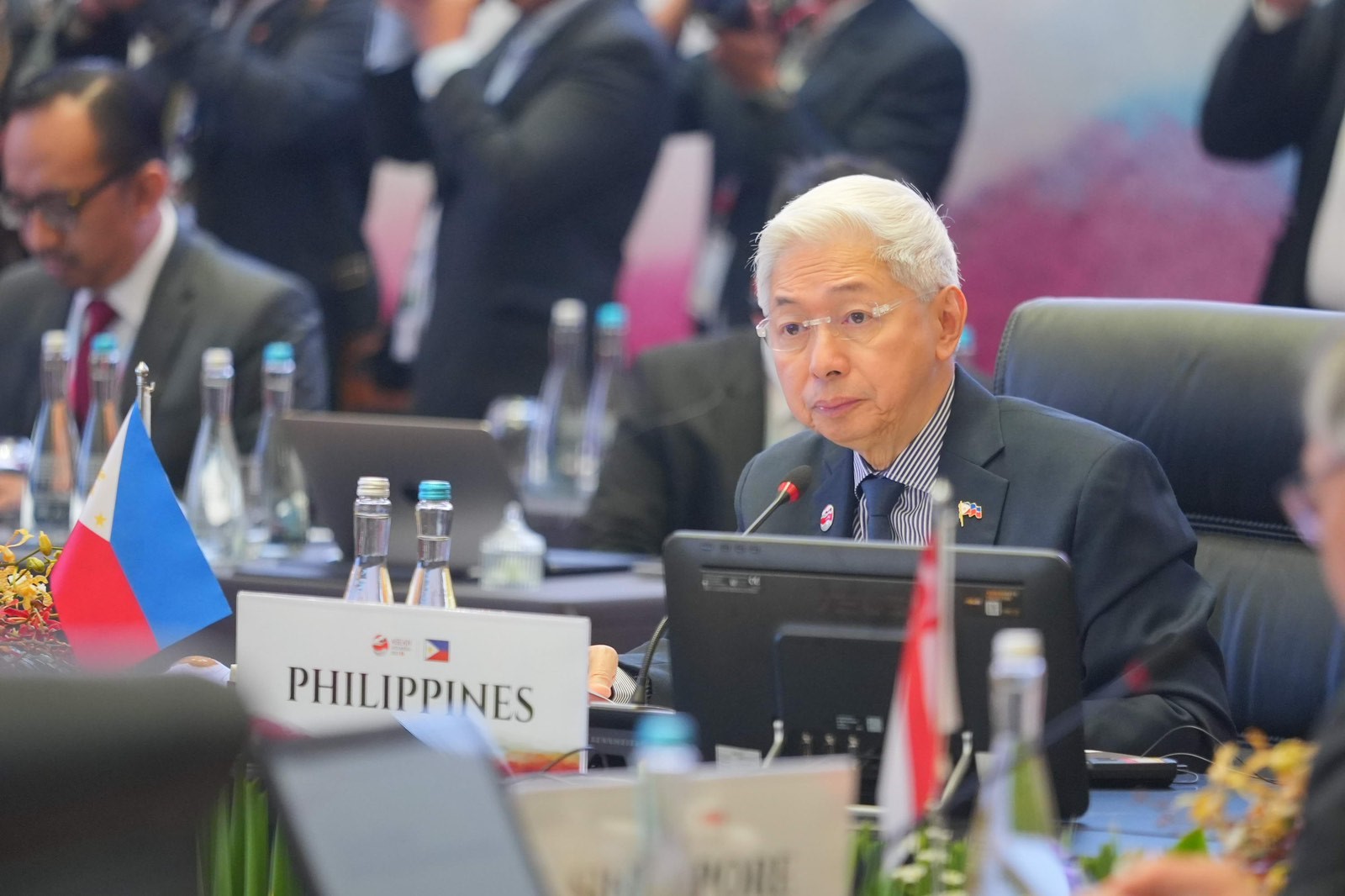
During the ASEAN Investment Forum Session 2 entitled “Global Supply Chain and Sustainable Investment” on Sept. 2 in Jakarta, Pascual emphasized the various opportunities of the Philippines to enhance its participation in supply chains of critical sectors and key goods.
“Part of the development strategy of the Philippines to enhance economic performance and global value-chain participation is to work with global partners and to increase international engagements to create a more conducive environment for investments. We are engaging with several partners at the multilateral, regional, and bilateral levels to pursue a framework that could mobilize sustainable investments to the Philippines,” Pascual said.
The DTI chief also added that the Philippines is taking a tailored approach to encourage more investments, particularly in the manufacturing of green metals and EVs as the country transitions to a greener economy. Further, Pascual cited the strength of intra-ASEAN trade, which can leverage the ASEAN’s large population as its core market.
The ASEAN Investment Forum was organized by the United Nations Economic and Social Commission for Asia and the Pacific (UNESCAP).
The 2nd session participated by Pascual discussed the trend of "deglobalization" and its impact on global trade, the need to diversify production locations, and find alternative materials to minimize disruptions in supply chains.
The DTI chief also encouraged the businesses present at the event to invest in the downstream processing of nickel, particularly for companies and major conglomerates in the nickel power business. Additionally, he highlighted the Philippines’ strength in the production of semiconductors and the highly-skilled Filipino workforce that can process raw ores into finished products.
Lastly, Pascual also emphasized, “part of our strategic approach is to leverage these resources and enable us to move to higher value activities by developing domestic mid to downstream processing of minerals, with high regard to sustainability. This strategically positions the country in the regional and global value chains of clean technologies and we will need reliable partners in investments to realize this.”
The ASEAN Investment Forum is part of the 43rd ASEAN Summit. It also hosted other sessions that centered around the sustainable development goals (SDGs) that affect strategies to attract foreign direct investments. It also tackled the importance of investments in electric vehicles, renewable energy, and health systems. Further, these sessions highlighted the role of achieving SDGs in fostering economic growth, recognizing that sustainable investments can enhance economic and social resilience to future shocks.