








The Philippine Institute of Volcanology and Seismology (Phivolcs) recorded a significant decrease in Sulfur Dioxide (SO2) flux in Taal Volcano on Saturday, Sept. 23.
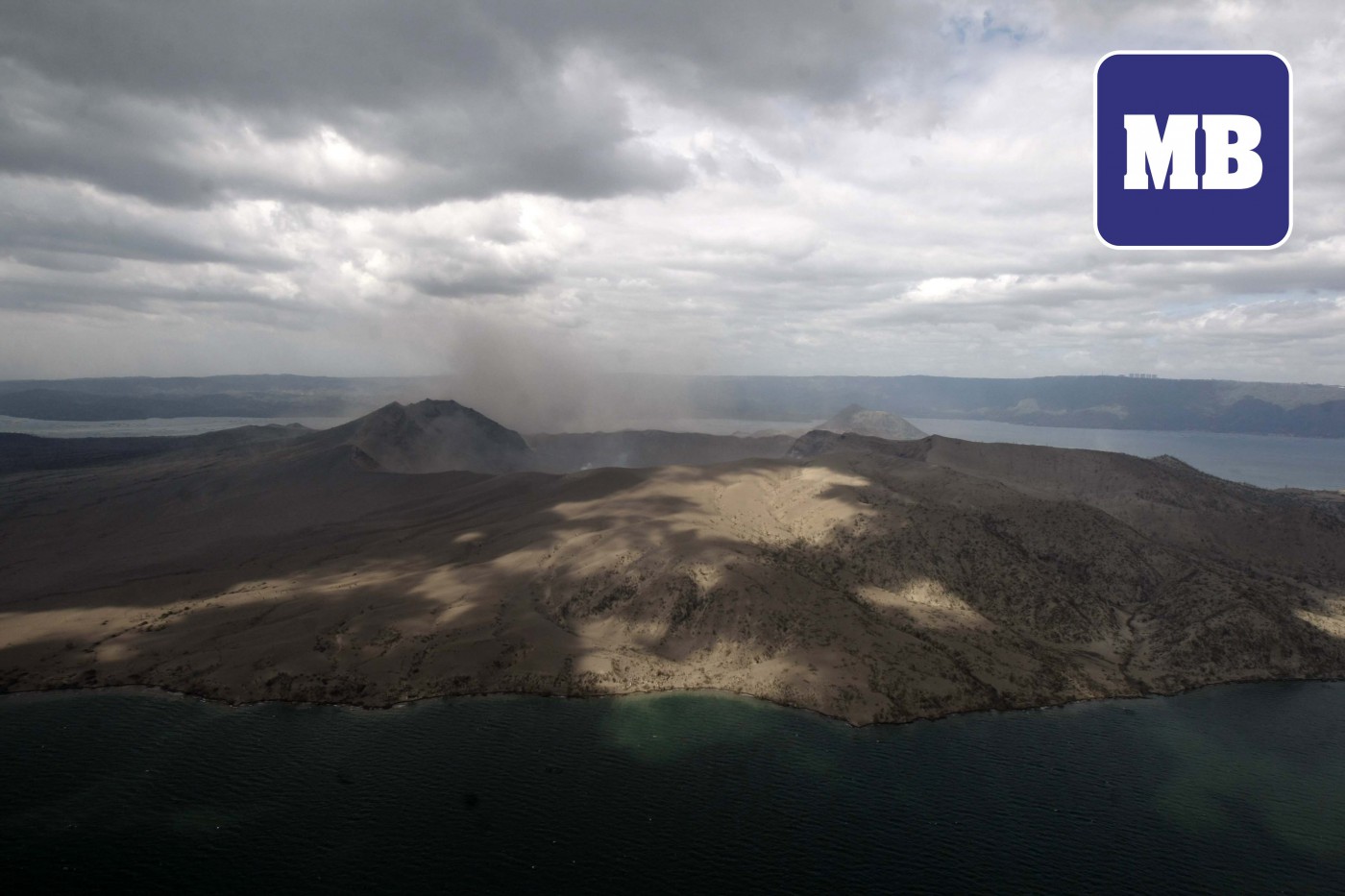
In its 24-hour observation, Phivolcs monitored 2730 tons of SO2 emission per day which is “significantly lower” than the 4569 tons of SO2 flux logged on Sept. 22.
Meanwhile, Phivolcs also observed an upwelling of hot volcanic fluids in the Main Crater Lake. Volcanic smog (vog) continued to persist.
Phivolcs also recorded steam plumes rising to an altitude of 1,800 meters (m) and observed voluminous emissions in the northeast direction from Taal.
Low-level unrest
Phivolcs said that Taal Volcano will remain on Alert Level 1 (low-level unrest).
Given this, Phivolcs said entry into Taal Volcano Island Permanent Danger Zone (PDZ), especially the Main Crater and Daang Kastila fissures, and occupancy and boating on Taal Lake still prohibited and it also disallowed pilots of any aircraft from flying closer to the volcano.
The prohibition is due to possible hazards that can occur, like steam-driven or phreatic or gas-driven explosions; volcanic earthquakes; minor ashfall; and lethal accumulations or expulsions of volcanic gas.
