






 Drive
There's always a harvest: Tech company aims to lessen the gap between farmers and buyers
Drive
There's always a harvest: Tech company aims to lessen the gap between farmers and buyers
There's always a harvest: Tech company aims to lessen the gap between farmers and buyers
Mayani intends to keep growing and to keep championing Filipino farmers.
By Yvette Tan


By YVETTE TAN
The fast pace at which technology develops means that many industries are keen on harnessing its potential. Agriculture is no different, as consolidators race to link farmers directly to consumers, bypassing the string of middlemen usually needed to get food from the field to the dinner table.
One such company is Mayani, which co-founder Josef Amara said, “is an agritech company which empowers smallholder farmers by giving them the necessary support needed mainly to get their produce to the tables of consumers.”
Mayani is a play on the words “may ani,” which means “there’s a harvest.”
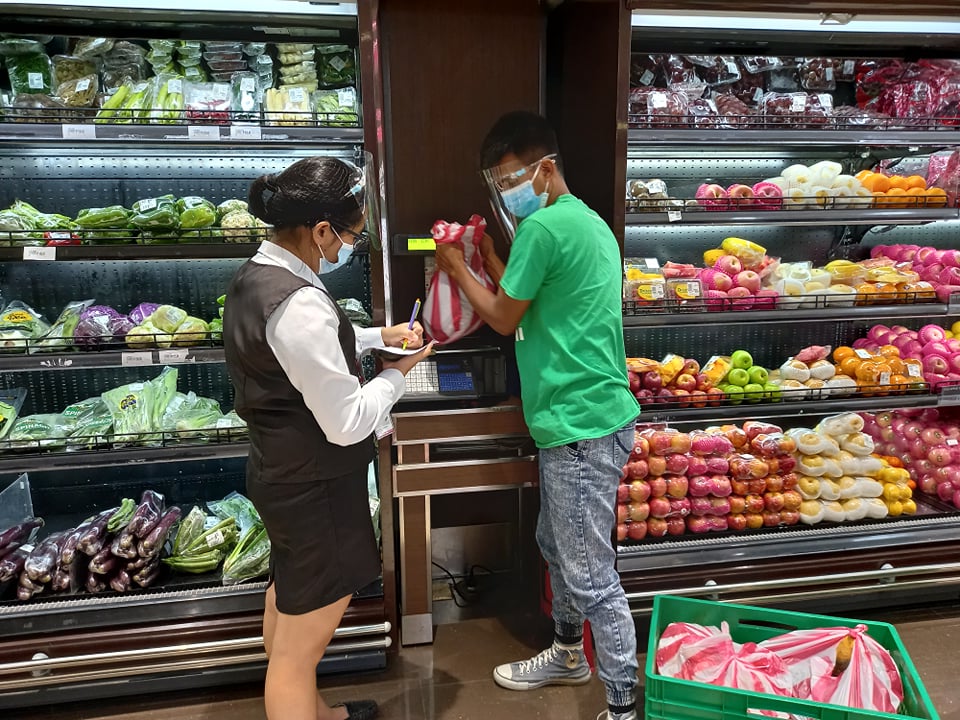
“...traditionally, there would be up to seven layers of middlemen before the farmer would be able to sell their crops, for them to even reach different cities all over the country,” Amara continued.
From a garage
The company began when the six co-founders heard about farmers dumping their excess tomatoes in the news. Under the guidance of Mayani’s Chief Farmer and co-founder Ochie San Juan, who has over 30 years of farming experience as former director and vice president of the Malaruhatan Family Farm Association, the team proceeded to fulfill their goal of shortening and providing transparency to the food system.
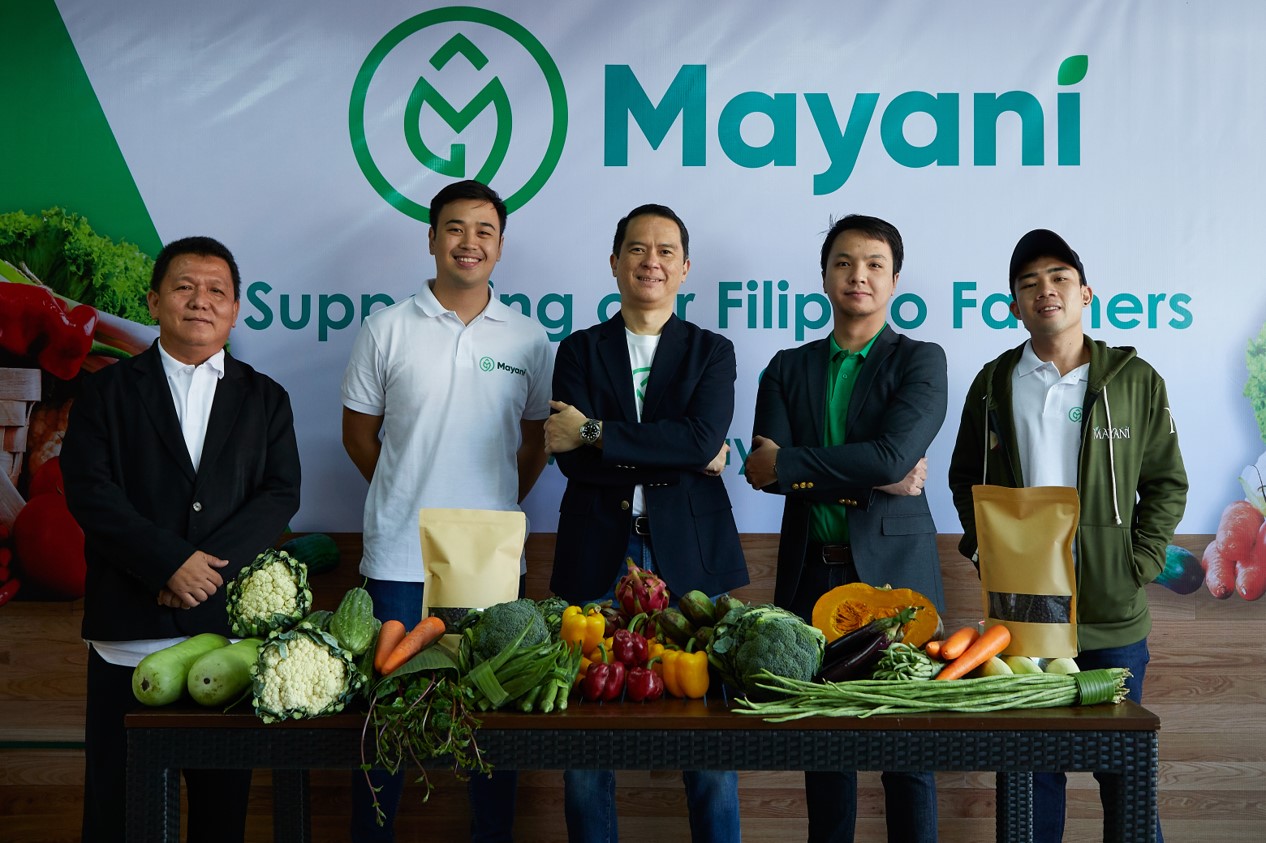
“It was literally me and four other co-founders at the garage. We started by creating a Viber group of titas and moms in …neighborhoods such as Valle Verde, Greenhills, etc. These are the people who are willing to pay the premium cost of having fruits and vegetables delivered to their doorstep,” Amara said. “We worked on weekends as we had day jobs.”
The first few farmers the company partnered with were from nearby areas such as Batangas, Cavite, Benguet, and Zambales, where they work with members of the Aeta tribe, all of whom grow a variety of produce, especially popular table vegetables like tomatoes, eggplants, lettuce, and the like. Sometimes Mayani would reach out to farm associations, but sometimes, farmers would find the company through Mayani’s online presence or through their local government units (LGUs), as well as the Department of Agriculture (DA) and the Department of Trade and Industry (DTI).
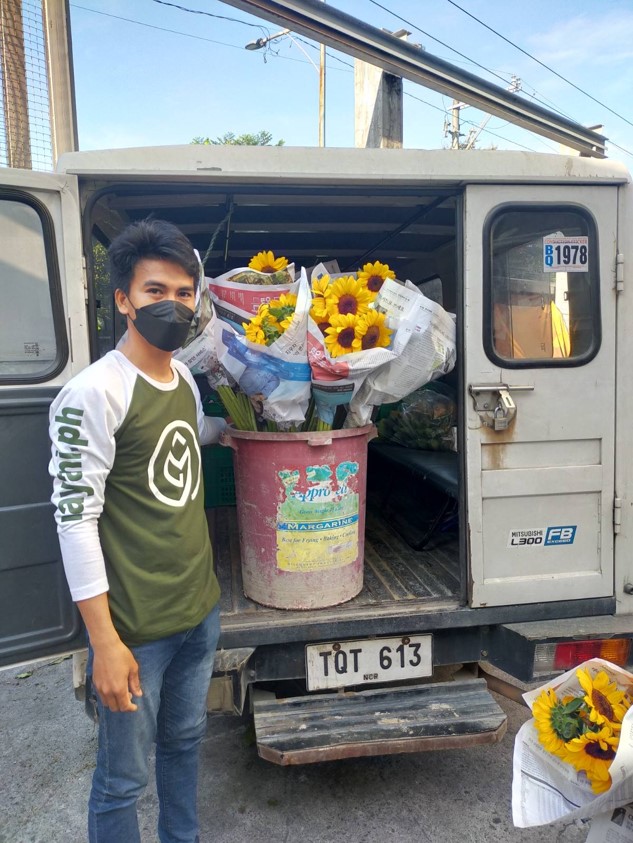
The company won a grant in 2019 that allowed them to expand, and unknowingly, ready them for the next year, when the whole world would grind to a halt because of Covid-19. “When the pandemic hit, we really grew from just doing weekend deliveries to three times a week... We’d get hundreds of orders per dispatch,” he said. “Fortunately… we got organizational support wherein we got the necessary passes and permits to operate during the pandemic. We were able to grow on a business aspect, the sales, because this is mainly the thing that the investors look at.”
A collaboration as partners
Customers, which now also include restaurants and groceries, can buy vegetables through Mayani’s website. The way the business works is this: “We purchase mostly all harvests from the farmer and just come up with programs and find demand for it,” Amara explained. The “farmgate” prices they buy the naturally grown produce at is arrived at by both the company and the farmers, so it’s fair to everyone. “... it takes a little bit of time but we engage with them, check out their farming process, number one, make sure they don’t use pesticides and dangerous chemicals.”
They also feed their partner farmers data that may help determine what types of crops to produce, and sometimes offer talks on basic financial literacy. “You want to make farming profitable again, but at the same time, you have to do your own part as a citizen.”
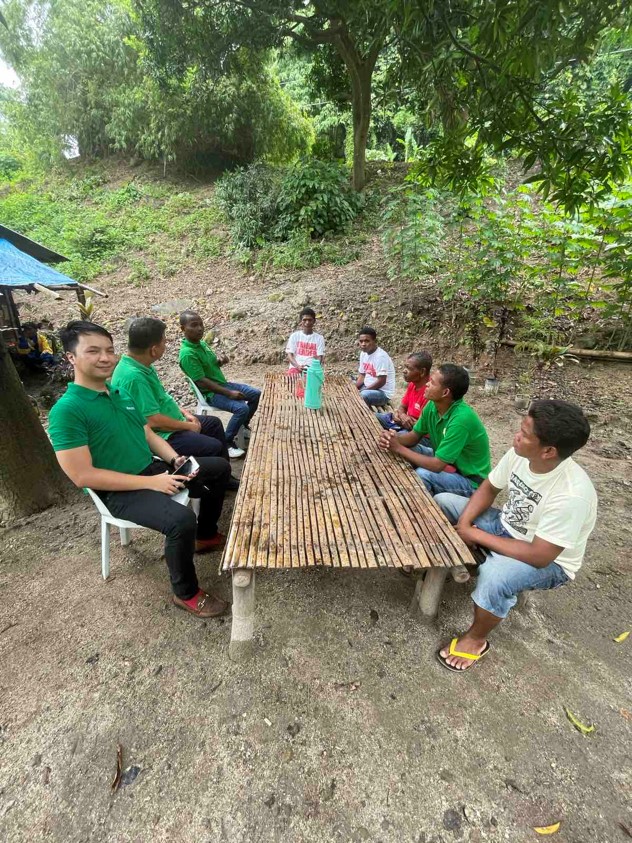
These engagements have produced impressive results. “We had 62% increase in terms of women livelihood in the agriculture sector with the farmer associations.”
Addressing underreported issues
Amara is in charge of marketing, and he uses his background in the music industry and in a digital marketing agency to keep Mayani top of mind by coming up with fun and informative campaigns and promos, often in response to a problem.
Two such challenges that turned into successful campaigns involve food waste and imperfect crops. Data shows that about 50% of harvested vegetables are wasted before they get to market, but Amara says Mayani has been able to reduce theirs to an average of 8-10%. They did this by sorting their vegetables according to grade, say, from premium quality, which sells at a high price, to lower tiers, which Amara has the most fun coming up with campaigns for. “We have one called Pakyawan Mondays [where] we sell the produce at farmgate price… but we… communicate to the customer that these are the harvests that are about five days from expiry, and so far it’s been okay. We have very loyal customers.”
His favorite campaign involved creating characters to encourage customers to buy imperfect crops, which are usually ignored even though they have the same amount of vitamins and nutrients as their better looking counterparts. “Fortunately, the consumer finds it appealing.”
The company also has a physical stall at the Ortigas Market along Emerald Avenue every Saturday from 5am to 2pm.
READ: A Saturday source for farm fresh products in Ortigas
“The store presence eventually leads them to the website,” Amara explained. “Once they go to our booth and they find out [our] story… it makes the customer go back home and enjoy what they bought and think of… the mission we’re trying to support. I definitely think the store presence helped our online presence.”
Continuous growth
Mayani now has 60 full-time employees, some part-time employees, and 130,000 partner farmers. “Now it’s definitely leaning towards becoming one of the higher revenue companies. We’ve even opened our doors to a fintech aspect,” Amara shared. “We want to take care of lending to farmers ourselves because we’d rather farmers lend from us with the help of a bank, sort of just aggregate the middleman… until now, they might borrow from unreliable people who just charge so much interest.”
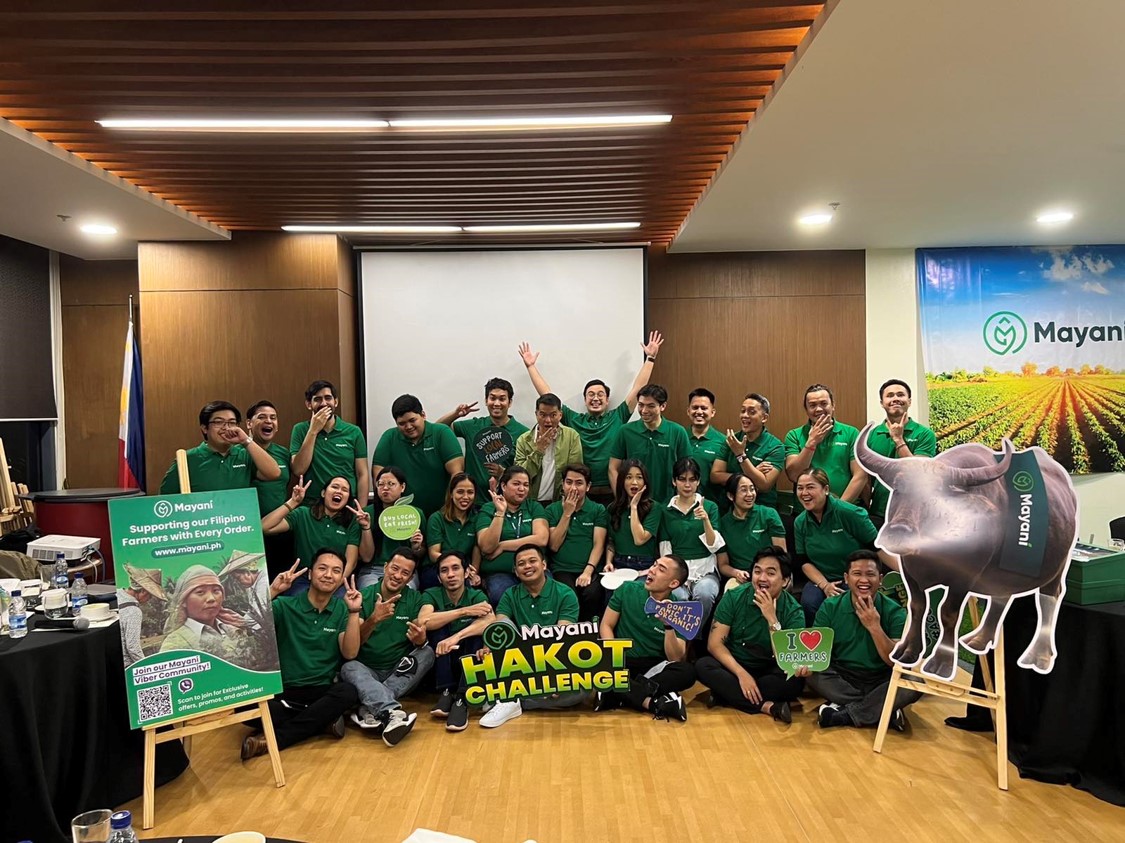
They are also involved in farm tourism. “...we also want to educate and make our market interested in farming, so we hold occasional field trips. The most recent one… a certain group reached out to us and Sir Ochie… brought them to Lian, Batangas where they spent the day just engaging, seeing the farm process…”
Mayani intends to keep growing and to keep championing Filipino farmers. Amare related, “In terms of country presence, we want to be of the likes of GCash… where every Filipino just uses that tech platform.”
Photos courtesy of Mayani