

ADVERTISEMENT

Five nutrition myths to stop believing

Can eating an egg a day really harm you?

Published Sep 18, 2023 12:27 pm

At A Glance

  • One egg yolk contains about 186 mg of cholesterol, that is about half of the daily requirement.

By Jasmine B. Suiza, RND

eggs.jpg

Now you see nutrition and health information from various sources, such as social media posts, online articles, lifestyle magazines, and even advice from influencers and celebrities. But how do you scrutinize what’s fact and what’s not?


Let’s shed some light on some of the most common nutrition and health myths that need to be debunked:


Eggs are bad for your health.
According to The American Heart Association, egg is an efficient source of nutrients like protein, vitamins, minerals, and fat. One egg yolk contains about 186 mg of cholesterol, that is about half of the daily requirement. But drop the doubt! For most people, eating at least one egg daily does not increase the risk for stroke, cardiovascular diseases, or heart attack. Instead of putting all the blame on eggs, remember that saturated fat from bacon, chicharon, butter, processed meats, and refined carbohydrates from donuts, fries, and cakes may also increase your cholesterol levels and risk of heart diseases.
time.jpg

Eating after 6 p.m. will make you fat.
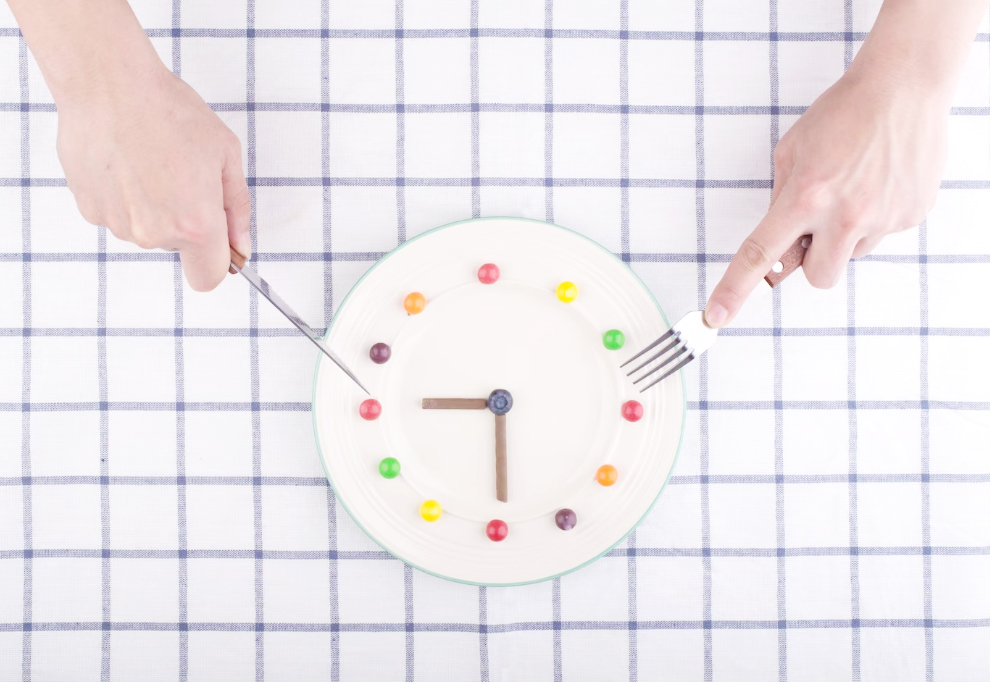
Have you heard of the “After-Six” diet? This myth states that eating after 6 p.m. will make you fat. Though recent data suggest that timing of meals may aid in weight loss, what and how much you eat (calorie intake) and how you burn the food you eat (physical activities or exercise) are still the major modifiable factors whether you lose, gain, or maintain your weight. Speaking of timing, eating too close to your sleeping time may make it harder to fall asleep, so aim to have your last meal of the day around 8 p.m.
carbs.jpg

Carbohydrate-rich food should be avoided if you want to lose weight.
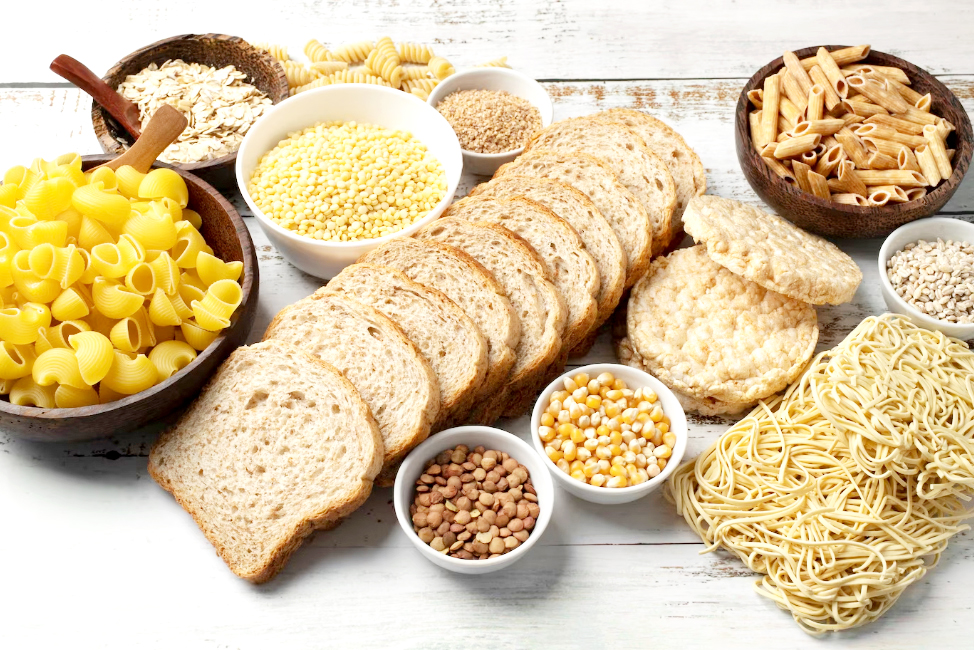
Carbohydrate or “carbs” per se is not the culprit in weight gain—total energy intake is! Individuals who want to lose weight tend to cut back on whole grains, starches, even fruits and vegetables due to their “fattening” effect. Carbs are usually associated with weight gain because one gram in its storage form glycogen, which retains about two to three grams of water, so reducing its intake will result to loss of water weight. Since whole grains, fruits, and vegetables contain vitamins, minerals, and phytonutrients, it is vital to incorporate them in a healthy diet.
nuts.jpg

Nuts cause acne.
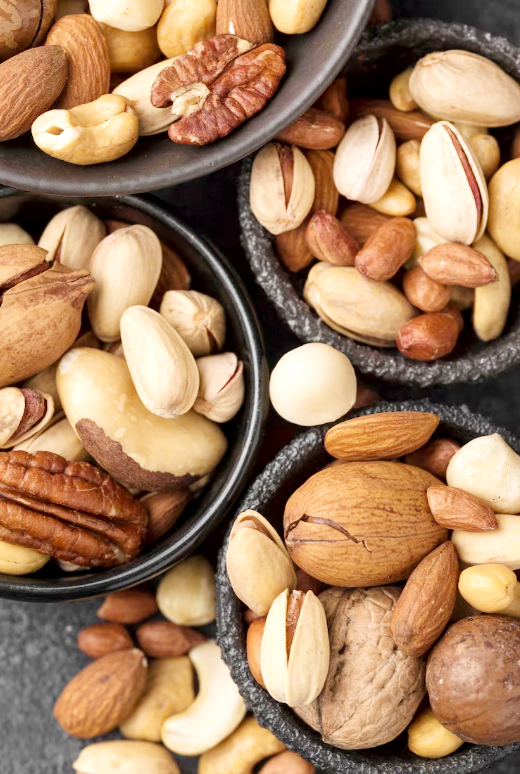
Nuts are rich in protein, healthy fats. and other essential nutrients. But one man’s food can be another man’s poison. Some individuals may react differently to nuts, or any other food item—causing food sensitivity. Some symptoms that may indicate presence of “problem food” include eczema, migraine, depression, anxiety, weight gain, and acne. That is why some people can eat nuts without problems, and some cannot. Determining these food triggers through diagnostic tests can help you manage your health concerns in the long run.
protein.jpg

To gain muscles, one must load on protein.
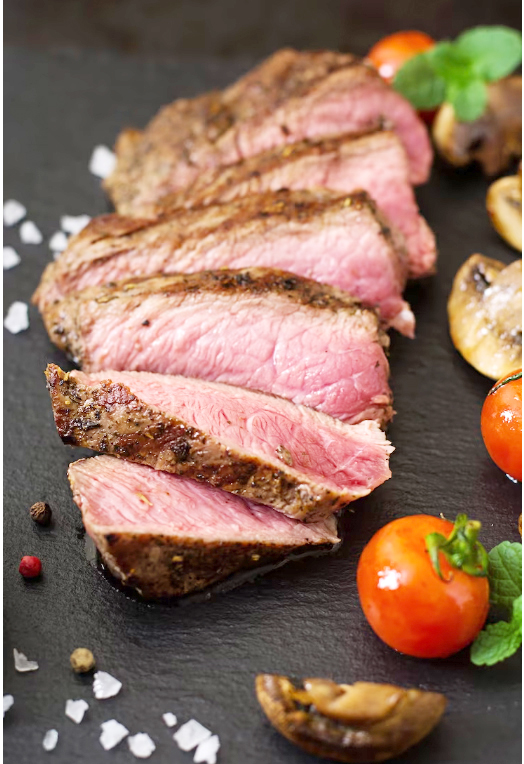
Protein plays an important function in muscle development, tissue repair, and the manufacture of hormones, among many others. But overconsumption of it won’t automatically make you “bulkier.” To gain muscles, one must consume sufficient calories, sufficient protein, engage in weight workouts, and get enough sleep and rest, coupled with lots of patience!


Beware of fake news on health and nutrition. It is best to gather information from credible and trusted sources like studies from medical societies or guidelines from health organizations. You can also visit your friendly registered nutritionist-dietitians and he/she will be happy to tailor-fit a comprehensive nutrition plan for your needs! 
 

Related Tags

Philippine Panorama eggs Jasmine B. Suiza RND
ADVERTISEMENT
.most-popular .layout-ratio{ padding-bottom: 79.13%; } @media (min-width: 768px) and (max-width: 1024px) { .widget-title { font-size: 15px !important; } }

{{ articles_filter_1561_widget.title }}

.most-popular .layout-ratio{ padding-bottom: 79.13%; } @media (min-width: 768px) and (max-width: 1024px) { .widget-title { font-size: 15px !important; } }

{{ articles_filter_1562_widget.title }}

.most-popular .layout-ratio{ padding-bottom: 79.13%; } @media (min-width: 768px) and (max-width: 1024px) { .widget-title { font-size: 15px !important; } }

{{ articles_filter_1563_widget.title }}

{{ articles_filter_1564_widget.title }}

.mb-article-details { position: relative; } .mb-article-details .article-body-preview, .mb-article-details .article-body-summary{ font-size: 17px; line-height: 30px; font-family: "Libre Caslon Text", serif; color: #000; } .mb-article-details .article-body-preview iframe , .mb-article-details .article-body-summary iframe{ width: 100%; margin: auto; } .read-more-background { background: linear-gradient(180deg, color(display-p3 1.000 1.000 1.000 / 0) 13.75%, color(display-p3 1.000 1.000 1.000 / 0.8) 30.79%, color(display-p3 1.000 1.000 1.000) 72.5%); position: absolute; height: 200px; width: 100%; bottom: 0; display: flex; justify-content: center; align-items: center; padding: 0; } .read-more-background a{ color: #000; } .read-more-btn { padding: 17px 45px; font-family: Inter; font-weight: 700; font-size: 18px; line-height: 16px; text-align: center; vertical-align: middle; border: 1px solid black; background-color: white; } .hidden { display: none; }
function initializeAllSwipers() { // Get all hidden inputs with cms_article_id document.querySelectorAll('[id^="cms_article_id_"]').forEach(function (input) { const cmsArticleId = input.value; const articleSelector = '#article-' + cmsArticleId + ' .body_images'; const swiperElement = document.querySelector(articleSelector); if (swiperElement && !swiperElement.classList.contains('swiper-initialized')) { new Swiper(articleSelector, { loop: true, pagination: false, navigation: { nextEl: '#article-' + cmsArticleId + ' .swiper-button-next', prevEl: '#article-' + cmsArticleId + ' .swiper-button-prev', }, }); } }); } setTimeout(initializeAllSwipers, 3000); const intersectionObserver = new IntersectionObserver( (entries) => { entries.forEach((entry) => { if (entry.isIntersecting) { const newUrl = entry.target.getAttribute("data-url"); if (newUrl) { history.pushState(null, null, newUrl); let article = entry.target; // Extract metadata const author = article.querySelector('.author-section').textContent.replace('By', '').trim(); const section = article.querySelector('.section-info ').textContent.replace(' ', ' '); const title = article.querySelector('.article-title h1').textContent; // Parse URL for Chartbeat path format const parsedUrl = new URL(newUrl, window.location.origin); const cleanUrl = parsedUrl.host + parsedUrl.pathname; // Update Chartbeat configuration if (typeof window._sf_async_config !== 'undefined') { window._sf_async_config.path = cleanUrl; window._sf_async_config.sections = section; window._sf_async_config.authors = author; } // Track virtual page view with Chartbeat if (typeof pSUPERFLY !== 'undefined' && typeof pSUPERFLY.virtualPage === 'function') { try { pSUPERFLY.virtualPage({ path: cleanUrl, title: title, sections: section, authors: author }); } catch (error) { console.error('ping error', error); } } // Optional: Update document title if (title && title !== document.title) { document.title = title; } } } }); }, { threshold: 0.1 } ); function showArticleBody(button) { const article = button.closest("article"); const summary = article.querySelector(".article-body-summary"); const body = article.querySelector(".article-body-preview"); const readMoreSection = article.querySelector(".read-more-background"); // Hide summary and read-more section summary.style.display = "none"; readMoreSection.style.display = "none"; // Show the full article body body.classList.remove("hidden"); } document.addEventListener("DOMContentLoaded", () => { let loadCount = 0; // Track how many times articles are loaded const offset = [1, 2, 3, 4, 5, 6, 7, 8, 9, 10]; // Offset values const currentUrl = window.location.pathname.substring(1); let isLoading = false; // Prevent multiple calls if (!currentUrl) { console.log("Current URL is invalid."); return; } const sentinel = document.getElementById("load-more-sentinel"); if (!sentinel) { console.log("Sentinel element not found."); return; } function isSentinelVisible() { const rect = sentinel.getBoundingClientRect(); return ( rect.top < window.innerHeight && rect.bottom >= 0 ); } function onScroll() { if (isLoading) return; if (isSentinelVisible()) { if (loadCount >= offset.length) { console.log("Maximum load attempts reached."); window.removeEventListener("scroll", onScroll); return; } isLoading = true; const currentOffset = offset[loadCount]; window.loadMoreItems().then(() => { let article = document.querySelector('#widget_1690 > div:nth-last-of-type(2) article'); intersectionObserver.observe(article) loadCount++; }).catch(error => { console.error("Error loading more items:", error); }).finally(() => { isLoading = false; }); } } window.addEventListener("scroll", onScroll); });

Sign up by email to receive news.