






 Business
The Stock Market
Smart calls for industry-coordinated response to fight scams
Business
The Stock Market
Smart calls for industry-coordinated response to fight scams
Smart calls for industry-coordinated response to fight scams


Mobile network operator Smart Communications urges peers and stakeholders in the telecommunications industry to come up with a more coordinated response against online and text scams and fraud.
“We need to dive deeper into how criminals operate and bring to light the entire cyber scam ecosystem. Instead of obsessing over or focusing on certain parts, all stakeholders should work together on a holistic solution,” said Smart Vice President and Head of Regulatory Affairs Atty. Roy Ibay.
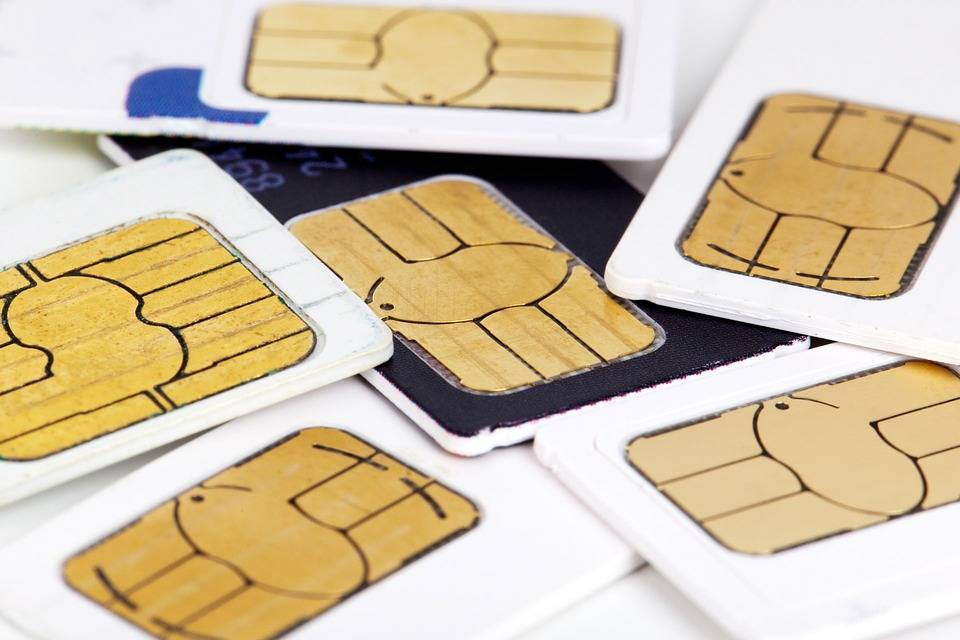
Smart said SIM cards are largely imported and are also used in several IT devices such as tablets, smart watches and E-vehicles other than mobile phones.
Ibay stressed that investigation should focus on the misuse of these devices by criminal elements rather than set a limit to their production or importation.
A month after the deadline of SIM registration on July 25 has passed, Smart has blocked more than 24,000 mobile numbers involved in phishing, SMShing, and vishing activities. It has also prevented more than six million fraudulent messages from reaching customers in August.
Smart has been helping customers protect themselves against cybercrime by releasing CyberSmart tips on social engineering tactics. These can easily be remembered by the acronym SCAM.
-Sender is unknown. Never answer calls or open emails from strangers. Scammers also use regular numbers contrary to custom sender IDs used by private companies. Always remember that banks never ask for one-time passwords (OTP).
-Compelling reason to act immediately. Phishing messages often push you to click on the link to avail of the special promo or limited offer.
-Attention grabbing offers. Scammers often promise financial rewards or too-good-to-be-true promos to bait potential victims.
-Malicious link. Whether sent via SMS or email, these messages are often accompanied by a link that leads to a phishing website.