






 Philippines
National
'Decades of neglect': Solon saddened over PH's tag as top rice importer
Philippines
National
'Decades of neglect': Solon saddened over PH's tag as top rice importer
'Decades of neglect': Solon saddened over PH's tag as top rice importer


At A Glance
- The Philippines' impending dislodgement of China as the world's number one rice importer reflects the sorry state of the local agriculture sector, Nueva Ecija 3rd district Rep. Ria Vergara said.
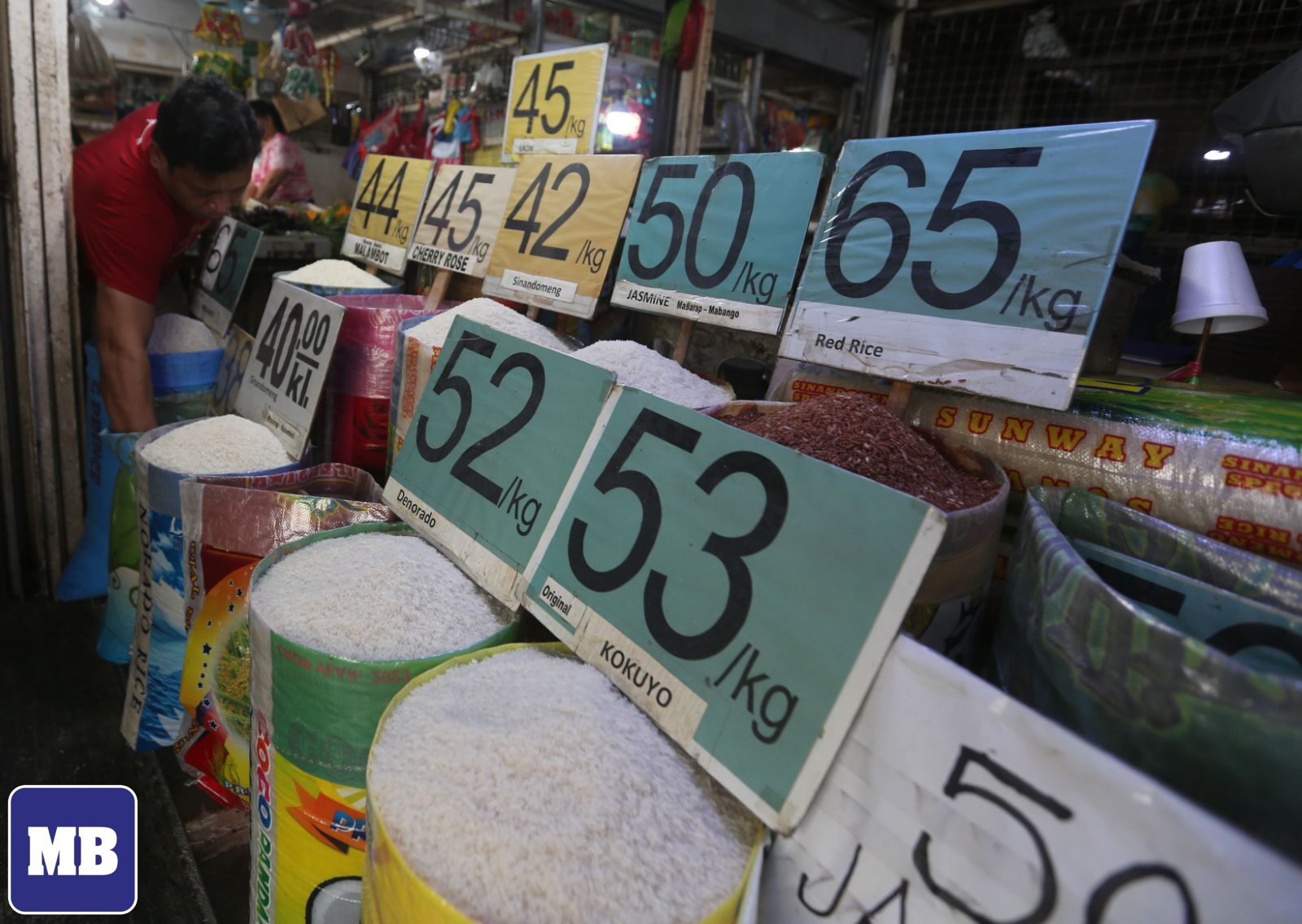 (MANILA BULLETIN)
The Philippines' impending dislodgement of China as the world's number one rice importer reflects the sorry state of the local agriculture sector.
Nueva Ecija 3rd district Rep. Ria Vergara, a member of the House Committee on Agriculture and Food, had this to say Thursday, Sept. 14 as she noted the numerous issues facing Filipino rice farmers.
"That we are now the number one rice importer is because of the decades of neglect the agricultural sector has gotten," Vergara said in a statement.
"This is evidenced by the miniscule budget the DA (Department of Agriculture) gets every year from the national budget. For 2024, the DA budget is P197 billion or only 3 percent of the 5.68 trillion national budget," she said.
Reports quoting the United States Department of Agriculture (USDA) said that the Philippines was poised to overtake China as the world’s top importer of the staple grain. This, despite the Philippines being primarily an agricultural country.
"Nakakalungkot subalit ito ang katotohanan. Dati ang number one importer ay China, panglawa lamang ang ating bansa (It's saddening but true. Back then China was the number one importer and our country was just second)," Vergara said.
"Subalit dahil lumalaki ang ating populasyon (110 million ngayon, ang forecast ay 145 million by 2050), hindi nakakaya ng ating domestic production na sumabay sa paglaki ng ating bansa at kailangan talagang mag import ng bigas. Hindi option na magutom ang ating mga kababayan," she said.
(But because our population is growing [currently at around 110 million, forecasted to reach 145 million by 2050], our domestic rice production can't keep up and therefor we need to import. It's not an option for our people to go hungry.)
China's population is over 1.4 billion, or around 13 times the number of Filipinos.
Much of the local agriculture sector's woes are due to poor funding, Vergara said. She said the P10-billion annual Rice Competitive Enhancement Fund (RCEF) isn't enough and does not trickle down to the small rice farmers
"Kaya ang inaasahan natin na tumaas ang domestic production ng bigas ay hindi pa natin nakakamit sa kasalukuyan (That's why we've yet to realize our plans of increasing domestic rice production)," the chairperson of the House Committee on Social Services said.
Also needing more funds according to Vergara are the National Irrigation Administration (NIA) and Philippine Crop Insurance Corporation (PCIC). The lack of farm to market roads have also hurt farmers.
"Marami ng problema--may mga taong nagsasamantala pa—hoarders, smugglers, ang 'rice cartel'—na gumagawa ng artificial shortage para maitaas ang presyo, para mas lumaki ang kita. Kailangan kumilos ang ating gobyerno at talagang seyosohin ang panawagan ng ating Pangulo na mag pakulong ng mga taong ito para tumigil na," she added.
(Adding to these many problems are unscrupulous people like hoarders, smugglers, and the 'rice cartel'--they create artificial shortage in order to increase prices, thus bloating their profits. The government must act and take seriously the President’s call to jail these people.)
The USDA projected the Philippines import 3.8 million metric tons (MT) of rice for trade year 2023/2024. China’s rice importation for the period is pegged at 3.5 million MT.
President Marcos is then concurrent DA chief.