

ADVERTISEMENT

Five post-pandemic interior design trends to watch

Beautiful is no longer enough for our living and working spaces

Published Sep 12, 2023 12:02 pm

At A Glance

  • A new era of interior design awaits— where functionality meets style, and the goal is to navigate through life with ease.

By MICHELLE BAGRO

My fascination for interior design stems from a core belief that while we cannot control the unpredictable outdoors, we hold the power to shape our indoor spaces into havens of serenity and comfort tailored to our individual needs. This belief resonates with me on a personal level, as I understand the importance of creating safe and nurturing environments. With that, designers play an essential role in allowing everyone to experience the solace of a safe space.


The field of interior design for residential, commercial, and institutional spaces is undergoing a continuous transformation to incorporate the “new normal.” Restaurants are reconfiguring their layouts for safer dining experiences, and offices are being designed to balance safety and collaboration. Personal sanctuaries have evolved to blend home and work aspects creatively, underscoring that a beautiful and safe space is no longer just a luxury but a necessity. 


Here are five trends prevailing in the interior design scene after the pandemic, revealing interior design’s true essence beyond mere aesthetics, that is, meeting essential human needs.


1. Future-proofing
One aspect coming into sharp focus was the future-proofing of homes and public spaces. This is making an object, like furniture, or systems, such as a layout and arrangement, unlikely to become obsolete in the future, through reinvention, renovation, or purchase. People are realizing the importance of adaptability in the face of unforeseen challenges. It is becoming crucial to be prepared for any possible occurrences and ensure that these spaces possess the adaptability to smoothly adjust and address evolving needs.


2. Innovative technology  integration
Smart technology is becoming a game-changer in interior design, as it allows for contactless solutions. From automated lighting, doors, and smart appliances to touchless faucets, technology is becoming an indispensable ally in creating safe and efficient spaces that can also stand the test of time.
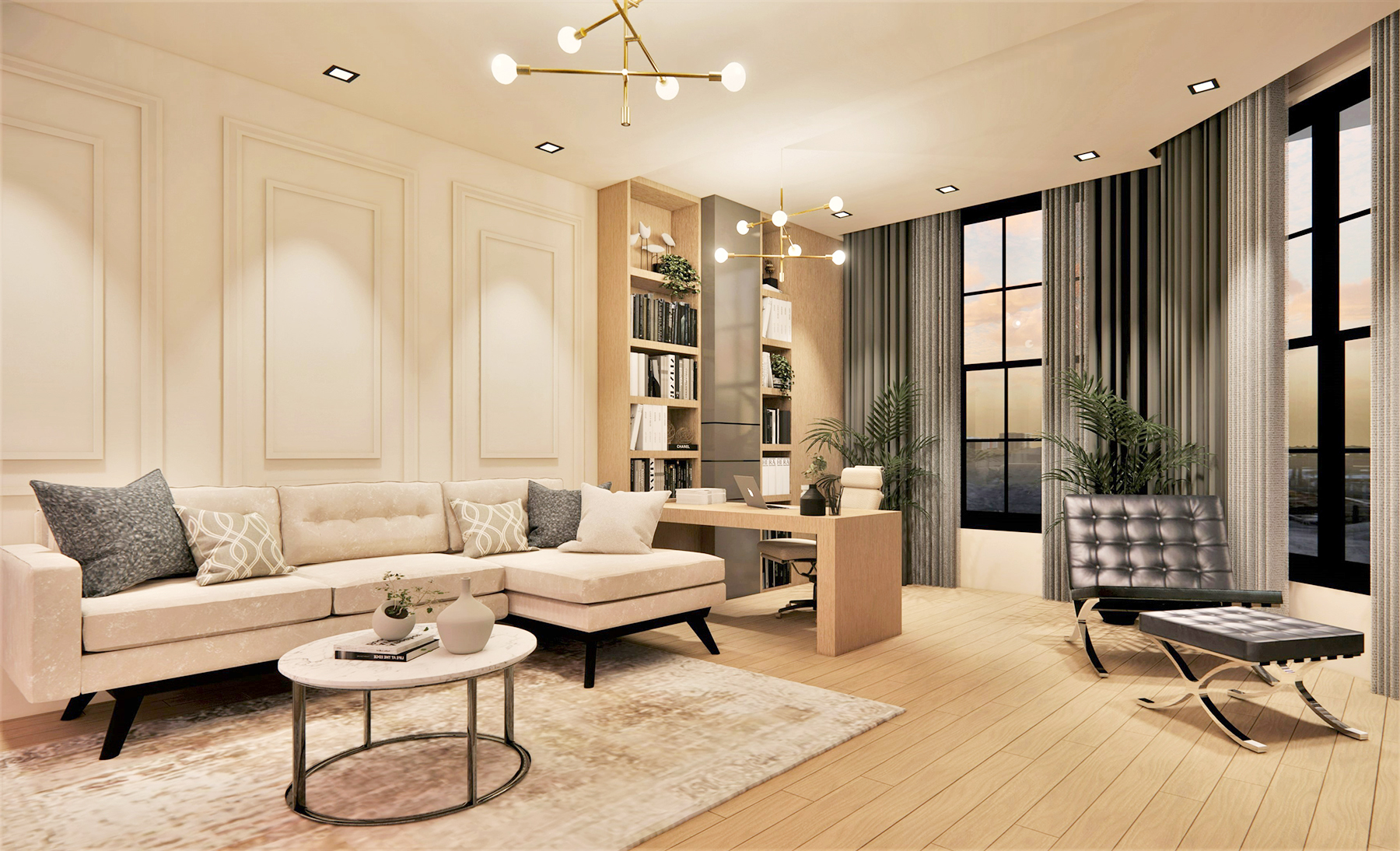
 

Photo 2.jpg
VENTILATION IS IMPORTANT Home décor, design, and render by Michelle Bagro

3. Strategic ventilation
Designers are gaining a deeper appreciation for the significance of hygiene and safety protocols, with ventilation systems and air purifiers taking the spotlight to defend against airborne viruses while improving indoor air quality for better health. Proper air circulation is also emerging as a crucial aspect in influencing human behavior, including stress reduction and increased productivity, becoming a focal point in design considerations.


4. Social distancing layouts
Social distancing principles are also guiding careful and deliberate layout planning, not only ensuring physical safety but also creating a more comfortable coexistence within the space. Objects within homes, businesses, and public areas are reducing as they are starting to be multi-functional. In addition, they are becoming more compact to maximize and expand the breathing room between individuals.
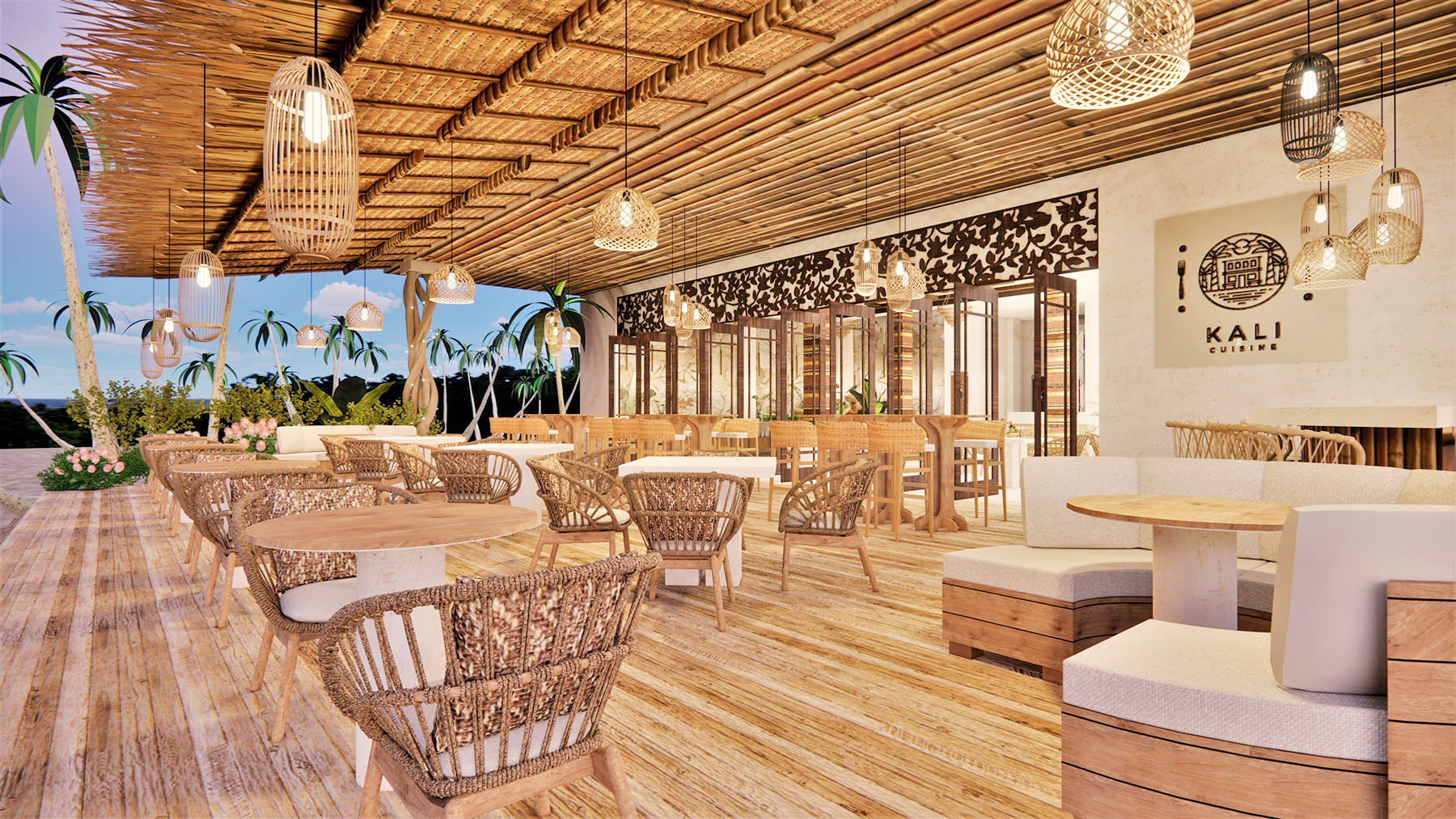
Photo 1.jpg
SPACE TO BREATHE The restaurant Kali in Siargao, design and render by Michelle Bagro

5. Hobby accommodation
Many people are discovering new hobbies they never considered before– from gardening to baking, yoga, arts and crafts, and even starting small businesses at home. Interior design is coming out as a powerful tool, capable of accommodating these creative pursuits, developing positive emotions, promoting mindfulness, and instilling a sense of security.

A new era of interior design awaits—where functionality meets style, and the goal is to navigate through life with ease. See more interior design ideas at ‘Phusion,’ the Philippine School of Interior Design’s Class of 2023 graduation exhibit slated for the whole month of October at the Greenfield Tower in Mandaluyong City.

Related Tags

interior design Michelle Bagro
ADVERTISEMENT
.most-popular .layout-ratio{ padding-bottom: 79.13%; } @media (min-width: 768px) and (max-width: 1024px) { .widget-title { font-size: 15px !important; } }

{{ articles_filter_1561_widget.title }}

.most-popular .layout-ratio{ padding-bottom: 79.13%; } @media (min-width: 768px) and (max-width: 1024px) { .widget-title { font-size: 15px !important; } }

{{ articles_filter_1562_widget.title }}

.most-popular .layout-ratio{ padding-bottom: 79.13%; } @media (min-width: 768px) and (max-width: 1024px) { .widget-title { font-size: 15px !important; } }

{{ articles_filter_1563_widget.title }}

{{ articles_filter_1564_widget.title }}

.mb-article-details { position: relative; } .mb-article-details .article-body-preview, .mb-article-details .article-body-summary{ font-size: 17px; line-height: 30px; font-family: "Libre Caslon Text", serif; color: #000; } .mb-article-details .article-body-preview iframe , .mb-article-details .article-body-summary iframe{ width: 100%; margin: auto; } .read-more-background { background: linear-gradient(180deg, color(display-p3 1.000 1.000 1.000 / 0) 13.75%, color(display-p3 1.000 1.000 1.000 / 0.8) 30.79%, color(display-p3 1.000 1.000 1.000) 72.5%); position: absolute; height: 200px; width: 100%; bottom: 0; display: flex; justify-content: center; align-items: center; padding: 0; } .read-more-background a{ color: #000; } .read-more-btn { padding: 17px 45px; font-family: Inter; font-weight: 700; font-size: 18px; line-height: 16px; text-align: center; vertical-align: middle; border: 1px solid black; background-color: white; } .hidden { display: none; }
function initializeAllSwipers() { // Get all hidden inputs with cms_article_id document.querySelectorAll('[id^="cms_article_id_"]').forEach(function (input) { const cmsArticleId = input.value; const articleSelector = '#article-' + cmsArticleId + ' .body_images'; const swiperElement = document.querySelector(articleSelector); if (swiperElement && !swiperElement.classList.contains('swiper-initialized')) { new Swiper(articleSelector, { loop: true, pagination: false, navigation: { nextEl: '#article-' + cmsArticleId + ' .swiper-button-next', prevEl: '#article-' + cmsArticleId + ' .swiper-button-prev', }, }); } }); } setTimeout(initializeAllSwipers, 3000); const intersectionObserver = new IntersectionObserver( (entries) => { entries.forEach((entry) => { if (entry.isIntersecting) { const newUrl = entry.target.getAttribute("data-url"); if (newUrl) { history.pushState(null, null, newUrl); let article = entry.target; // Extract metadata const author = article.querySelector('.author-section').textContent.replace('By', '').trim(); const section = article.querySelector('.section-info ').textContent.replace(' ', ' '); const title = article.querySelector('.article-title h1').textContent; // Parse URL for Chartbeat path format const parsedUrl = new URL(newUrl, window.location.origin); const cleanUrl = parsedUrl.host + parsedUrl.pathname; // Update Chartbeat configuration if (typeof window._sf_async_config !== 'undefined') { window._sf_async_config.path = cleanUrl; window._sf_async_config.sections = section; window._sf_async_config.authors = author; } // Track virtual page view with Chartbeat if (typeof pSUPERFLY !== 'undefined' && typeof pSUPERFLY.virtualPage === 'function') { try { pSUPERFLY.virtualPage({ path: cleanUrl, title: title, sections: section, authors: author }); } catch (error) { console.error('ping error', error); } } // Optional: Update document title if (title && title !== document.title) { document.title = title; } } } }); }, { threshold: 0.1 } ); function showArticleBody(button) { const article = button.closest("article"); const summary = article.querySelector(".article-body-summary"); const body = article.querySelector(".article-body-preview"); const readMoreSection = article.querySelector(".read-more-background"); // Hide summary and read-more section summary.style.display = "none"; readMoreSection.style.display = "none"; // Show the full article body body.classList.remove("hidden"); } document.addEventListener("DOMContentLoaded", () => { let loadCount = 0; // Track how many times articles are loaded const offset = [1, 2, 3, 4, 5, 6, 7, 8, 9, 10]; // Offset values const currentUrl = window.location.pathname.substring(1); let isLoading = false; // Prevent multiple calls if (!currentUrl) { console.log("Current URL is invalid."); return; } const sentinel = document.getElementById("load-more-sentinel"); if (!sentinel) { console.log("Sentinel element not found."); return; } function isSentinelVisible() { const rect = sentinel.getBoundingClientRect(); return ( rect.top < window.innerHeight && rect.bottom >= 0 ); } function onScroll() { if (isLoading) return; if (isSentinelVisible()) { if (loadCount >= offset.length) { console.log("Maximum load attempts reached."); window.removeEventListener("scroll", onScroll); return; } isLoading = true; const currentOffset = offset[loadCount]; window.loadMoreItems().then(() => { let article = document.querySelector('#widget_1690 > div:nth-last-of-type(2) article'); intersectionObserver.observe(article) loadCount++; }).catch(error => { console.error("Error loading more items:", error); }).finally(() => { isLoading = false; }); } } window.addEventListener("scroll", onScroll); });

Sign up by email to receive news.