ADVERTISEMENT

Aptos nose threads: The future of non-surgical nose rejuvenation

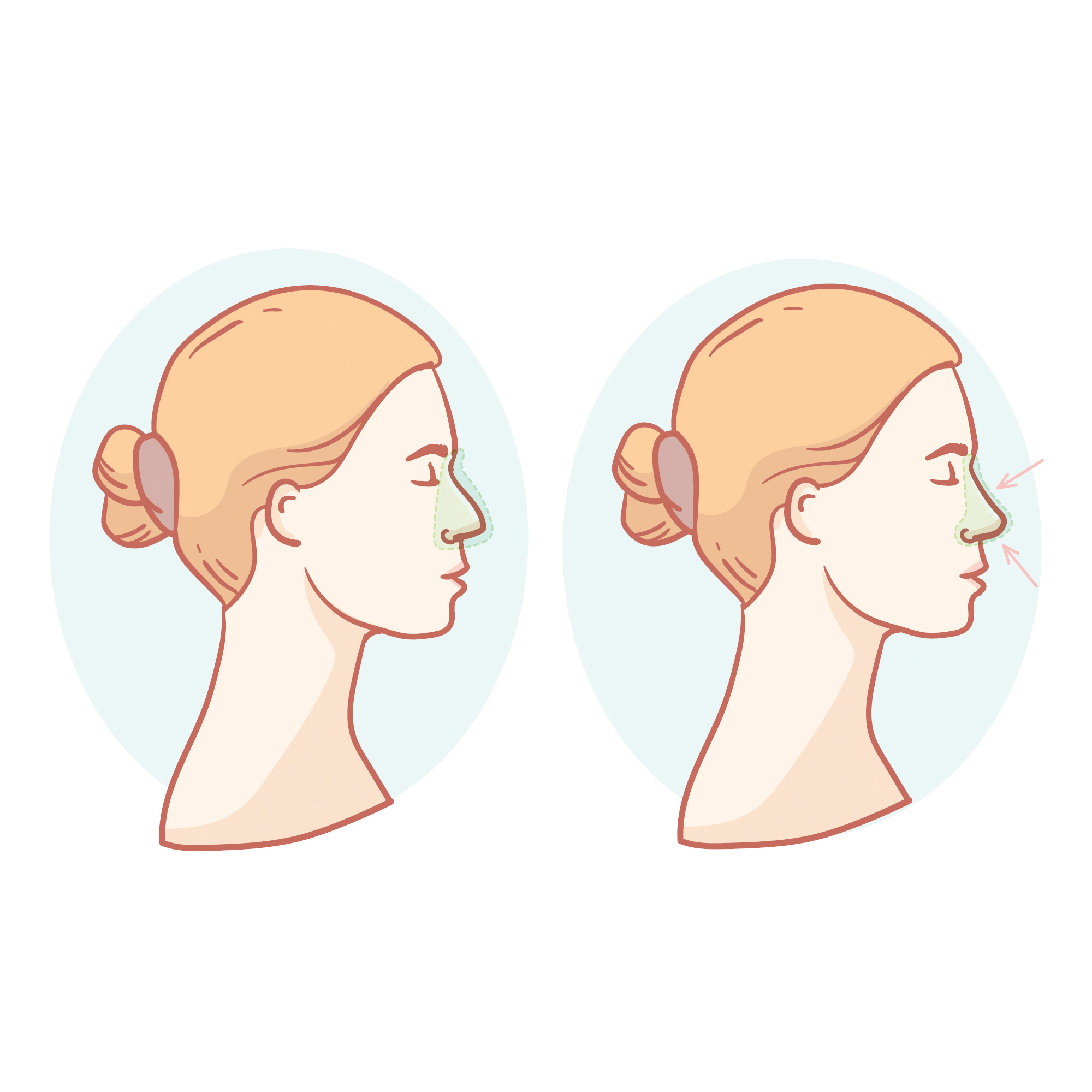
Aptos nose threads offer a minimally invasive alternative to traditional surgical rhinoplasty. This technique involves the placement of biocompatible polypropylene threads beneath the skin, which help reshape and enhance the nasal contour.

Published Sep 12, 2023 02:57 am

The desire for refined facial features and a harmonious profile has led to the continuous evolution of non-surgical treatments. Among these advancements, Aptos nose threads have gained significant attention for their unique approach to nose rejuvenation. Let’s explore the distinctive benefits of Aptos nose threads compared to other options like PDO (Polydioxanone) and PCL (Polycaprolactone) threads in achieving nonsurgical nose rejuvenation.

6894466.jpg

Aptos nose threads offer a minimally invasive alternative to traditional surgical rhinoplasty. This technique involves the placement of biocompatible polypropylene threads beneath the skin, which help reshape and enhance the nasal contour. The threads are skillfully inserted by an expert medical professional, resulting in a refined and natural-looking nose.

Compared to other types of nose threads, Aptos nose threads offer several distinct advantages when it comes to nonsurgical nose rejuvenation.

Enhanced precision

Aptos nose threads are meticulously designed and precisely placed according to the personalized needs of each patient. This level of precision allows for targeted reshaping and contouring of the nose while maintaining a harmonious balance with the rest of the facial features.

Long-lasting results

One of the key benefits of Aptos nose threads is their long-lasting results. Thanks to the unique composition of polypropylene, these threads provide excellent structural support to the nasal tissue. This results in a more sustainable, noticeable improvement compared to PDO or PCL threads, which may require more frequent treatments to maintain the desired outcome.

Natural-looking results

Aptos nose threads are known for their ability to deliver subtle and natural-looking nose enhancements. The threads act as a framework within the nose, harmonizing proportions and contours without compromising the individual’s unique facial characteristics. This creates a more balanced and aesthetically pleasing appearance.

Minimal downtime and risk

Unlike surgical rhinoplasty, Aptos nose threads involve minimal downtime and pose significantly fewer risks. The procedure is performed under local anesthesia, allowing patients to resume their daily activities shortly after treatment. Furthermore, the minimally invasive nature of Aptos nose threads reduces the risk of complications commonly associated with surgical procedures.

Aptos nose threads have revolutionized the field of non-surgical nose rejuvenation, offering an alternative to traditional rhinoplasty with remarkable benefits. With enhanced precision, long-lasting results, natural-looking outcomes, and minimal downtime, these innovative threads provide a valid solution for individuals seeking nose enhancements without surgery.

It is crucial, however, to consult with a qualified and experienced medical professional to discuss individual concerns, goals, and determine the most suitable option for nonsurgical nose rejuvenation. By doing so, patients can achieve the desired nose transformation while prioritizing safety and natural-looking results. 

Related Tags

wellbeing
ADVERTISEMENT
.most-popular .layout-ratio{ padding-bottom: 79.13%; } @media (min-width: 768px) and (max-width: 1024px) { .widget-title { font-size: 15px !important; } }

{{ articles_filter_1561_widget.title }}

.most-popular .layout-ratio{ padding-bottom: 79.13%; } @media (min-width: 768px) and (max-width: 1024px) { .widget-title { font-size: 15px !important; } }

{{ articles_filter_1562_widget.title }}

.most-popular .layout-ratio{ padding-bottom: 79.13%; } @media (min-width: 768px) and (max-width: 1024px) { .widget-title { font-size: 15px !important; } }

{{ articles_filter_1563_widget.title }}

{{ articles_filter_1564_widget.title }}

.mb-article-details { position: relative; } .mb-article-details .article-body-preview, .mb-article-details .article-body-summary{ font-size: 17px; line-height: 30px; font-family: "Libre Caslon Text", serif; color: #000; } .mb-article-details .article-body-preview iframe , .mb-article-details .article-body-summary iframe{ width: 100%; margin: auto; } .read-more-background { background: linear-gradient(180deg, color(display-p3 1.000 1.000 1.000 / 0) 13.75%, color(display-p3 1.000 1.000 1.000 / 0.8) 30.79%, color(display-p3 1.000 1.000 1.000) 72.5%); position: absolute; height: 200px; width: 100%; bottom: 0; display: flex; justify-content: center; align-items: center; padding: 0; } .read-more-background a{ color: #000; } .read-more-btn { padding: 17px 45px; font-family: Inter; font-weight: 700; font-size: 18px; line-height: 16px; text-align: center; vertical-align: middle; border: 1px solid black; background-color: white; } .hidden { display: none; }
function initializeAllSwipers() { // Get all hidden inputs with cms_article_id document.querySelectorAll('[id^="cms_article_id_"]').forEach(function (input) { const cmsArticleId = input.value; const articleSelector = '#article-' + cmsArticleId + ' .body_images'; const swiperElement = document.querySelector(articleSelector); if (swiperElement && !swiperElement.classList.contains('swiper-initialized')) { new Swiper(articleSelector, { loop: true, pagination: false, navigation: { nextEl: '#article-' + cmsArticleId + ' .swiper-button-next', prevEl: '#article-' + cmsArticleId + ' .swiper-button-prev', }, }); } }); } setTimeout(initializeAllSwipers, 3000); const intersectionObserver = new IntersectionObserver( (entries) => { entries.forEach((entry) => { if (entry.isIntersecting) { const newUrl = entry.target.getAttribute("data-url"); if (newUrl) { history.pushState(null, null, newUrl); let article = entry.target; // Extract metadata const author = article.querySelector('.author-section').textContent.replace('By', '').trim(); const section = article.querySelector('.section-info ').textContent.replace(' ', ' '); const title = article.querySelector('.article-title h1').textContent; // Parse URL for Chartbeat path format const parsedUrl = new URL(newUrl, window.location.origin); const cleanUrl = parsedUrl.host + parsedUrl.pathname; // Update Chartbeat configuration if (typeof window._sf_async_config !== 'undefined') { window._sf_async_config.path = cleanUrl; window._sf_async_config.sections = section; window._sf_async_config.authors = author; } // Track virtual page view with Chartbeat if (typeof pSUPERFLY !== 'undefined' && typeof pSUPERFLY.virtualPage === 'function') { try { pSUPERFLY.virtualPage({ path: cleanUrl, title: title, sections: section, authors: author }); } catch (error) { console.error('ping error', error); } } // Optional: Update document title if (title && title !== document.title) { document.title = title; } } } }); }, { threshold: 0.1 } ); function showArticleBody(button) { const article = button.closest("article"); const summary = article.querySelector(".article-body-summary"); const body = article.querySelector(".article-body-preview"); const readMoreSection = article.querySelector(".read-more-background"); // Hide summary and read-more section summary.style.display = "none"; readMoreSection.style.display = "none"; // Show the full article body body.classList.remove("hidden"); } document.addEventListener("DOMContentLoaded", () => { let loadCount = 0; // Track how many times articles are loaded const offset = [1, 2, 3, 4, 5, 6, 7, 8, 9, 10]; // Offset values const currentUrl = window.location.pathname.substring(1); let isLoading = false; // Prevent multiple calls if (!currentUrl) { console.log("Current URL is invalid."); return; } const sentinel = document.getElementById("load-more-sentinel"); if (!sentinel) { console.log("Sentinel element not found."); return; } function isSentinelVisible() { const rect = sentinel.getBoundingClientRect(); return ( rect.top < window.innerHeight && rect.bottom >= 0 ); } function onScroll() { if (isLoading) return; if (isSentinelVisible()) { if (loadCount >= offset.length) { console.log("Maximum load attempts reached."); window.removeEventListener("scroll", onScroll); return; } isLoading = true; const currentOffset = offset[loadCount]; window.loadMoreItems().then(() => { let article = document.querySelector('#widget_1690 > div:nth-last-of-type(2) article'); intersectionObserver.observe(article) loadCount++; }).catch(error => { console.error("Error loading more items:", error); }).finally(() => { isLoading = false; }); } } window.addEventListener("scroll", onScroll); });

Sign up by email to receive news.