

ADVERTISEMENT

Violently entertaining: A review of 'The Equalizer'

Published Sep 11, 2023 10:29 am

At A Glance

  • This is seen in the third and ostensibly the last of the Equalizer films, coming to theaters this Sept. 13. Director Antoine Fuqua and Washington craft a tight action thriller, which can be called the best of the three.
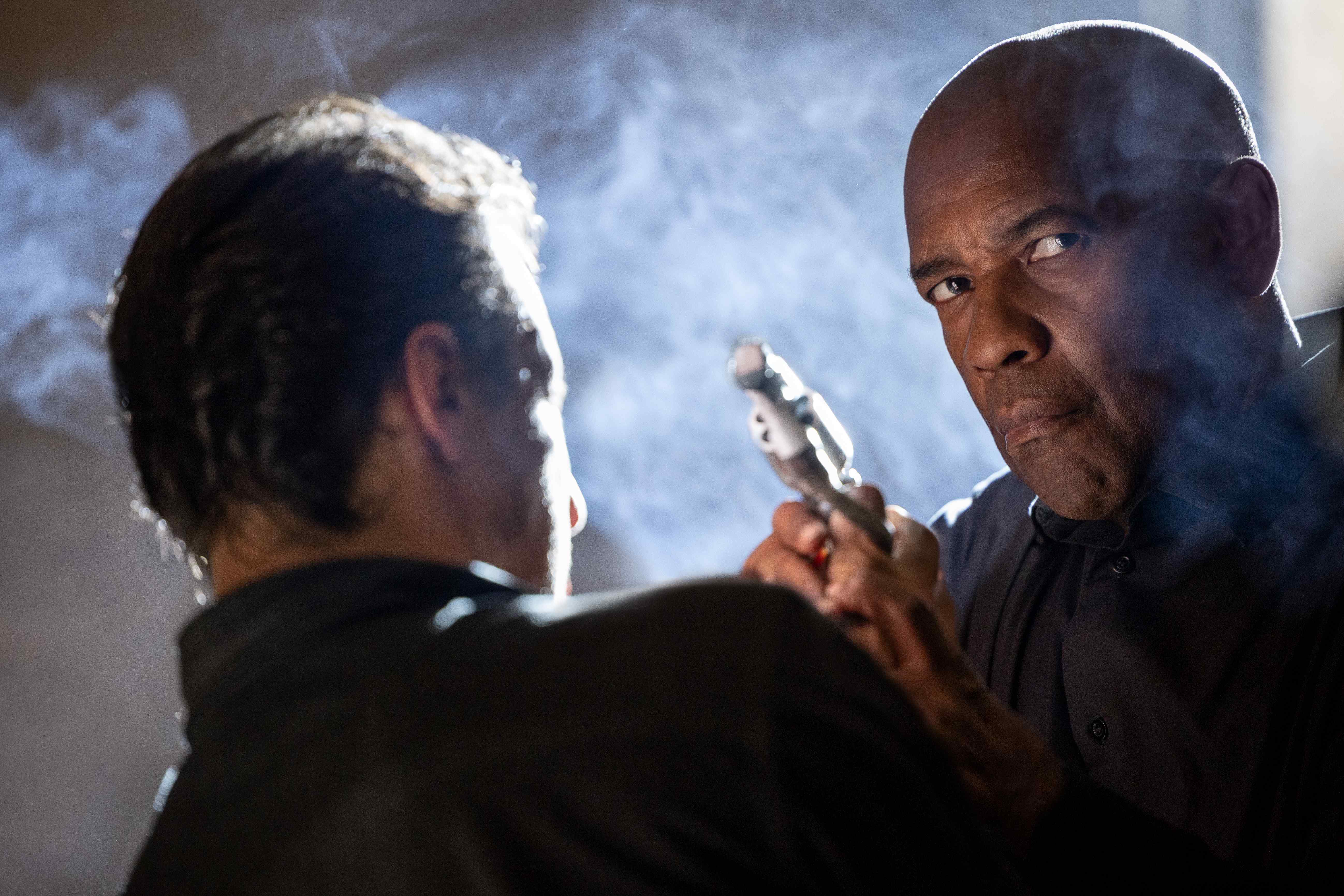
DF-00455_r.jpg
A scene from 'The Equalizer' (Images courtesy of Columbia Pictures)

The original Equalizer in the 1980s was a show I watched with my dad religiously, as it aired every Thursday on GMA 7. We both enjoyed his sense of style and his no-nonsense approach to crime fighting. First played by Edward Woodward on the show, Robert McCall was a retired British special agent turned guardian angel, who used his unique talents and connections to help needy people for little to no payment. He was a man of refined tastes. He drank wine, played the piano, and drove a signature Jaguar.

Denzel Washington’s version of McCall is a far cry from the original. He doesn’t put ads in the paper like Woodward’s McCall did. He’s not all that refined or even British, and he doesn’t drive a Jag (though in the first film, it made a cameo) They are, however, the same where it matters. Both versions can’t stand injustice and do what they can to make it right.

This is seen in the third and ostensibly the last of the Equalizer films, coming to theaters this Sept. 13. Director Antoine Fuqua and Washington craft a tight action thriller, which can be called the best of the three.
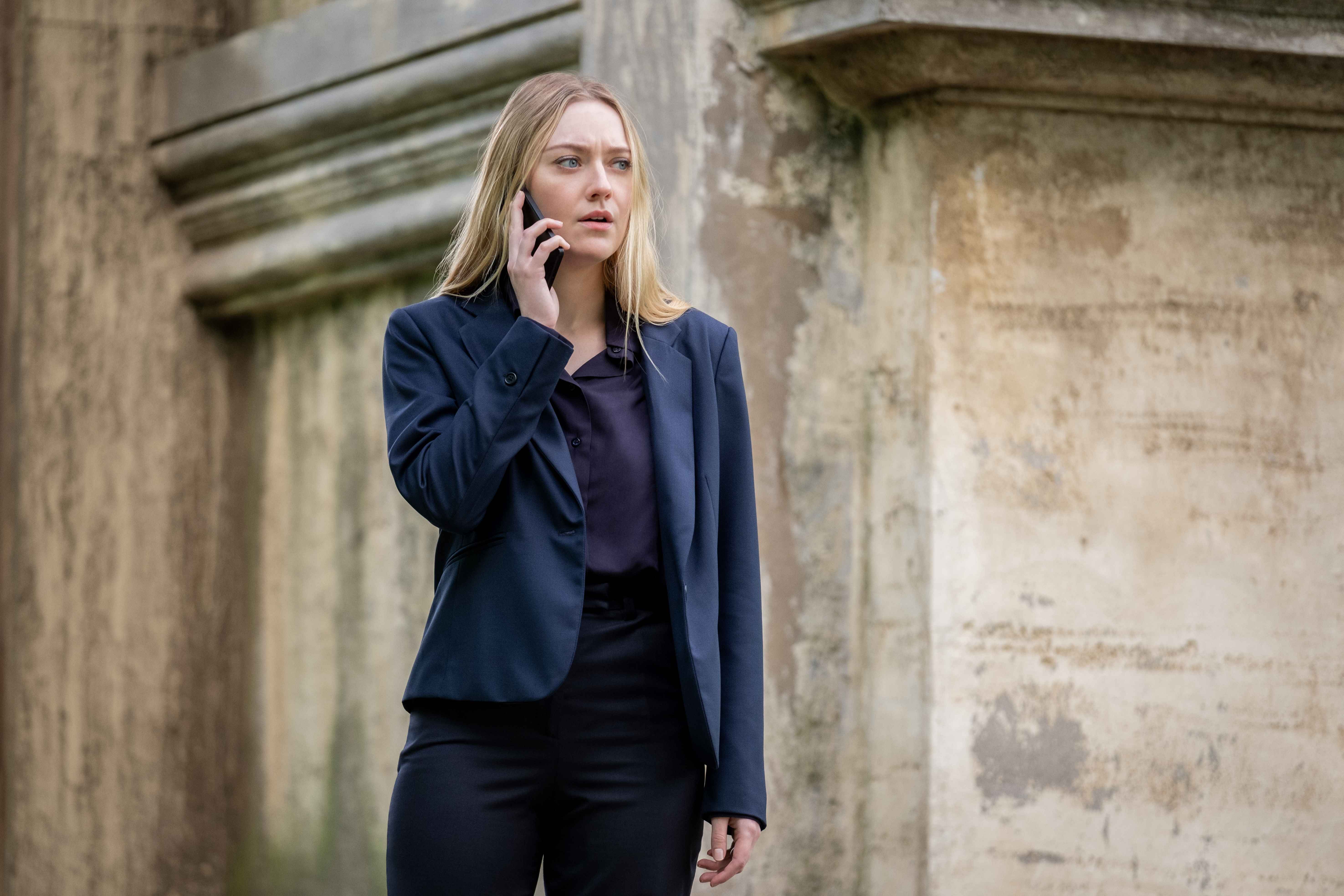
 

DF-04125_r.jpg
 

The movie opens with a tense sequence where a local crime boss returns home to find his henchmen slaughtered. He finds Robert in his basement, waiting for him, held at gunpoint by two surviving goons. McCall dispatches them with cold, practiced efficiency. It is an opening statement, introducing our hero and setting us, the audience, up for what to expect from the rest of the film.

McCall finds his way to a small Italian town and, due to circumstances, finds himself unable to leave for some time. The small-town life appeals to him; the people are generally kind and accepting. He may not be British, but Washington plays McCall with a quiet air one might mistake as being reserved. But we know it's more of restraint because he’s the kind of person who doesn’t want to throw down on anybody, but if he has to, then you can be sure he will throw that someone down.

And this is what we all came for, of course. To see Denzel Washington be judge, jury, and executioner to a slew of bad guys who get what’s coming to them.
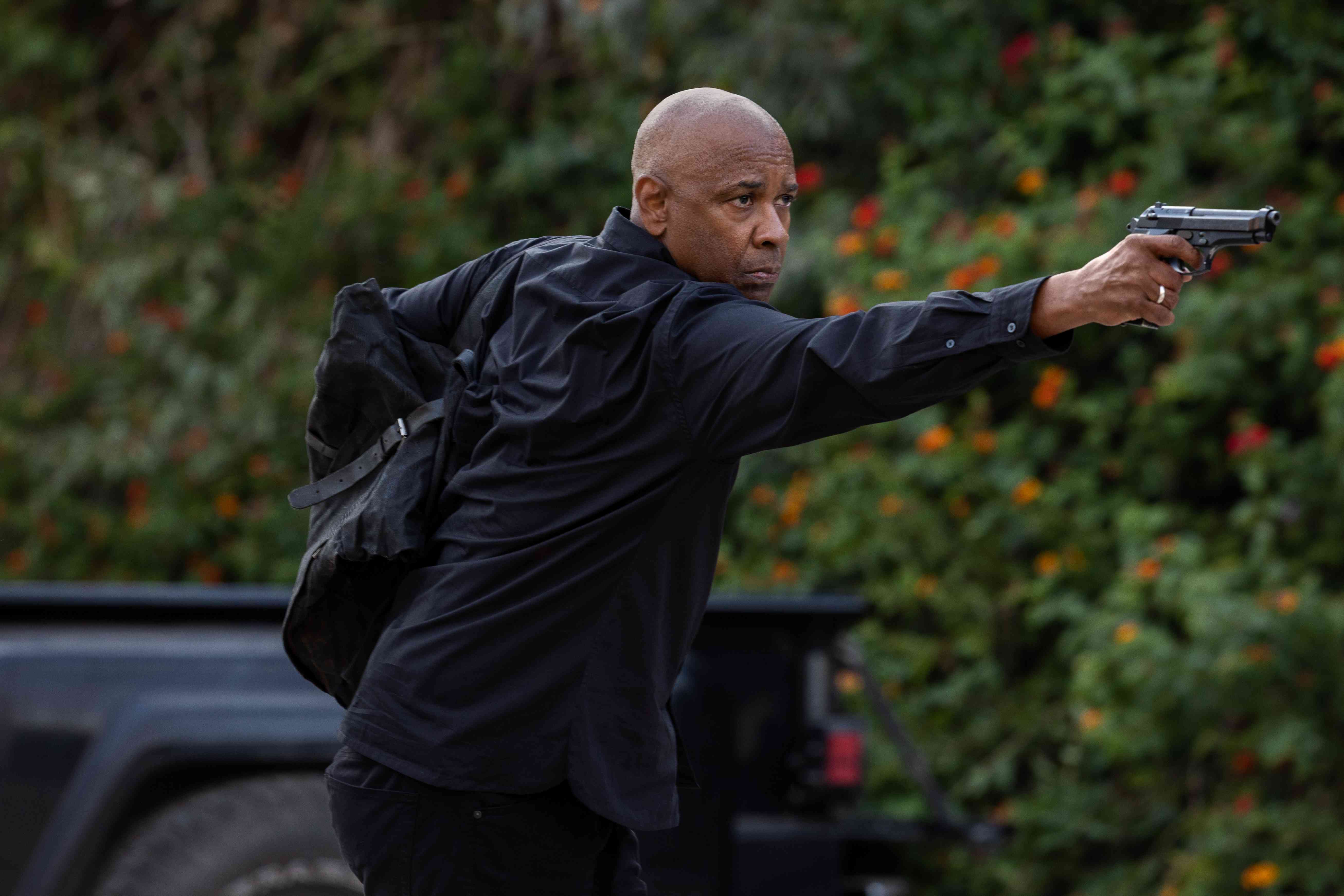
 

The Equalizer 3.jpg
 

Soon, the undesirables from the small town’s underbelly crawl up and disturb McCall’s newfound peace. Like a one-man Magnificent Seven, McCall goes to work protecting those he has come to care about. It is a basic, predictable plot, but one with its spin applied this time with the inclusion of CIA officer Emma Collins, played by Dakota Fanning, who gets involved in the investigation.

Taking place in Italy does the franchise much good, as the change of scenery helps McCall and the audience breathe. We break from the city's concrete jungle, and we embrace the cool breeze, warm sunshine, and ever warmer townsfolk. We have multi-awarded cinematographer Robert Richardson to thank for the enticing shots of the picturesque Italian village. From the rustic streets to the sweeping coast, the scenes of everyday life draw you in, and the tranquility only makes the violence that shatters it all the more potent.

And you had better believe it gets violent. Comparisons with another famous former assassin are unavoidable, but both give different flavors of killing. While this other canine-loving operator barrels through anything that comes his way with a combination of martial arts and bullets, Robert McCall is much more calculated and precise when dispatching his opponents.
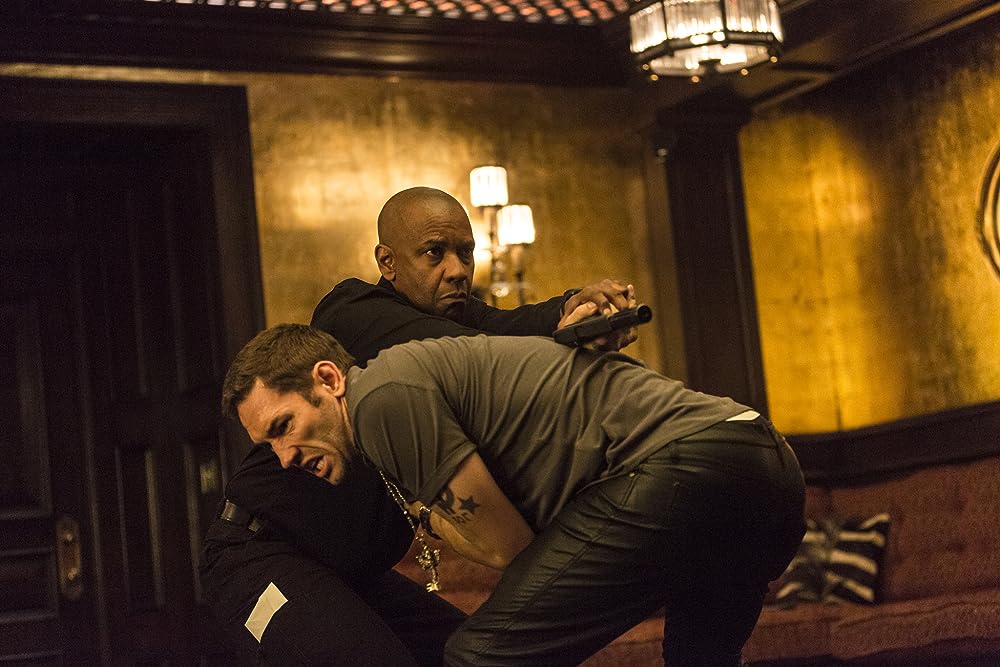
 

The Equalizer(1).jpg
 

Much of the time, they don’t even see him coming. He plays mind games with them, attacking their bodies and psyche. And when the bad guys get their inevitable, bloody comeuppance, it is all that more satisfying because of it.

The third installment of the Equalizer series treads familiar ground but does not suffer for it. The action and satisfaction of the payoff at the end more than make up for its predictability. It is violently entertaining, and we would not want our Equalizer any other way.

ADVERTISEMENT
.most-popular .layout-ratio{ padding-bottom: 79.13%; } @media (min-width: 768px) and (max-width: 1024px) { .widget-title { font-size: 15px !important; } }

{{ articles_filter_1561_widget.title }}

.most-popular .layout-ratio{ padding-bottom: 79.13%; } @media (min-width: 768px) and (max-width: 1024px) { .widget-title { font-size: 15px !important; } }

{{ articles_filter_1562_widget.title }}

.most-popular .layout-ratio{ padding-bottom: 79.13%; } @media (min-width: 768px) and (max-width: 1024px) { .widget-title { font-size: 15px !important; } }

{{ articles_filter_1563_widget.title }}

{{ articles_filter_1564_widget.title }}

.mb-article-details { position: relative; } .mb-article-details .article-body-preview, .mb-article-details .article-body-summary{ font-size: 17px; line-height: 30px; font-family: "Libre Caslon Text", serif; color: #000; } .mb-article-details .article-body-preview iframe , .mb-article-details .article-body-summary iframe{ width: 100%; margin: auto; } .read-more-background { background: linear-gradient(180deg, color(display-p3 1.000 1.000 1.000 / 0) 13.75%, color(display-p3 1.000 1.000 1.000 / 0.8) 30.79%, color(display-p3 1.000 1.000 1.000) 72.5%); position: absolute; height: 200px; width: 100%; bottom: 0; display: flex; justify-content: center; align-items: center; padding: 0; } .read-more-background a{ color: #000; } .read-more-btn { padding: 17px 45px; font-family: Inter; font-weight: 700; font-size: 18px; line-height: 16px; text-align: center; vertical-align: middle; border: 1px solid black; background-color: white; } .hidden { display: none; }
function initializeAllSwipers() { // Get all hidden inputs with cms_article_id document.querySelectorAll('[id^="cms_article_id_"]').forEach(function (input) { const cmsArticleId = input.value; const articleSelector = '#article-' + cmsArticleId + ' .body_images'; const swiperElement = document.querySelector(articleSelector); if (swiperElement && !swiperElement.classList.contains('swiper-initialized')) { new Swiper(articleSelector, { loop: true, pagination: false, navigation: { nextEl: '#article-' + cmsArticleId + ' .swiper-button-next', prevEl: '#article-' + cmsArticleId + ' .swiper-button-prev', }, }); } }); } setTimeout(initializeAllSwipers, 3000); const intersectionObserver = new IntersectionObserver( (entries) => { entries.forEach((entry) => { if (entry.isIntersecting) { const newUrl = entry.target.getAttribute("data-url"); if (newUrl) { history.pushState(null, null, newUrl); let article = entry.target; // Extract metadata const author = article.querySelector('.author-section').textContent.replace('By', '').trim(); const section = article.querySelector('.section-info ').textContent.replace(' ', ' '); const title = article.querySelector('.article-title h1').textContent; // Parse URL for Chartbeat path format const parsedUrl = new URL(newUrl, window.location.origin); const cleanUrl = parsedUrl.host + parsedUrl.pathname; // Update Chartbeat configuration if (typeof window._sf_async_config !== 'undefined') { window._sf_async_config.path = cleanUrl; window._sf_async_config.sections = section; window._sf_async_config.authors = author; } // Track virtual page view with Chartbeat if (typeof pSUPERFLY !== 'undefined' && typeof pSUPERFLY.virtualPage === 'function') { try { pSUPERFLY.virtualPage({ path: cleanUrl, title: title, sections: section, authors: author }); } catch (error) { console.error('ping error', error); } } // Optional: Update document title if (title && title !== document.title) { document.title = title; } } } }); }, { threshold: 0.1 } ); function showArticleBody(button) { const article = button.closest("article"); const summary = article.querySelector(".article-body-summary"); const body = article.querySelector(".article-body-preview"); const readMoreSection = article.querySelector(".read-more-background"); // Hide summary and read-more section summary.style.display = "none"; readMoreSection.style.display = "none"; // Show the full article body body.classList.remove("hidden"); } document.addEventListener("DOMContentLoaded", () => { let loadCount = 0; // Track how many times articles are loaded const offset = [1, 2, 3, 4, 5, 6, 7, 8, 9, 10]; // Offset values const currentUrl = window.location.pathname.substring(1); let isLoading = false; // Prevent multiple calls if (!currentUrl) { console.log("Current URL is invalid."); return; } const sentinel = document.getElementById("load-more-sentinel"); if (!sentinel) { console.log("Sentinel element not found."); return; } function isSentinelVisible() { const rect = sentinel.getBoundingClientRect(); return ( rect.top < window.innerHeight && rect.bottom >= 0 ); } function onScroll() { if (isLoading) return; if (isSentinelVisible()) { if (loadCount >= offset.length) { console.log("Maximum load attempts reached."); window.removeEventListener("scroll", onScroll); return; } isLoading = true; const currentOffset = offset[loadCount]; window.loadMoreItems().then(() => { let article = document.querySelector('#widget_1690 > div:nth-last-of-type(2) article'); intersectionObserver.observe(article) loadCount++; }).catch(error => { console.error("Error loading more items:", error); }).finally(() => { isLoading = false; }); } } window.addEventListener("scroll", onScroll); });

Sign up by email to receive news.